How Sneem Turned An Art Symposium Into A Living Landscape
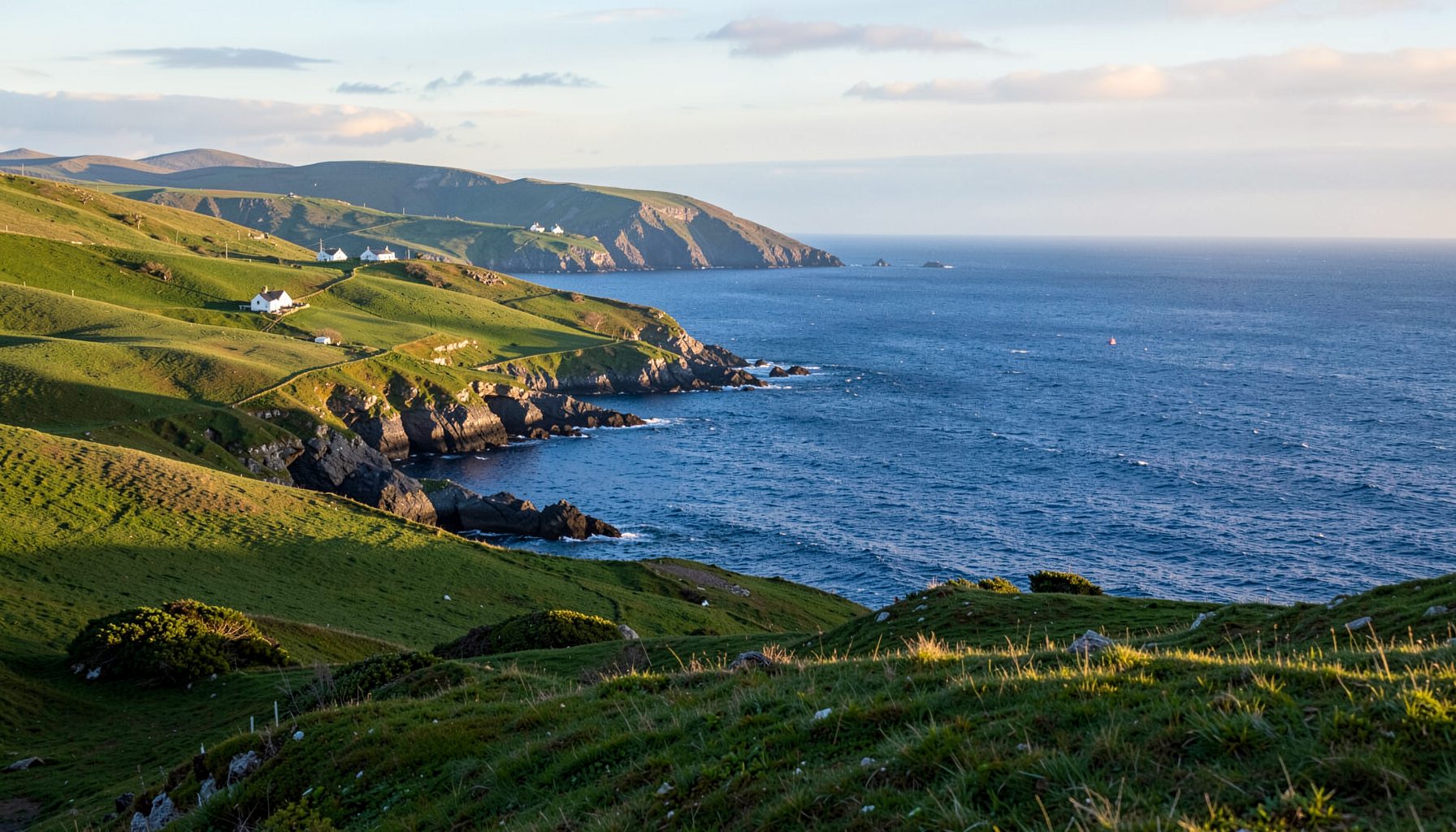
Sneem is a small village on the Iveragh Peninsula in County Kerry, positioned between Kenmare and Waterville on the Ring of Kerry. Its setting is shaped by mountains, rivers, stone walls and the broad waters of Kenmare Bay. In this landscape, art is rarely sealed away behind gallery doors. It is encountered beside roads, near the village green and along paths used in everyday life.
The Sneem International Sculpture Symposium emerged from that close relationship between place and creativity. Held in the early 1980s, it brought sculptors from Ireland and abroad to work in the village and produce substantial artworks for public spaces. The event gave Sneem a distinctive cultural profile while creating a permanent outdoor collection for residents and visitors.
Its importance lies in the way it connected international modern sculpture with a rural Irish community. The artists were not simply displaying finished pieces. They were working in public, responding to local materials and surroundings, while people could watch the making of the sculptures and discuss what appeared in familiar places.
Today, the legacy of the symposium can be explored through Sneem’s sculpture trail. The works form part of the village’s cultural landscape and help explain how a community on the Skellig Coast used art, local initiative and public space to broaden its identity.
A rural village with an international ambition
Sneem’s location helps explain why the symposium made such a strong impression. The village sits in a region long associated with dramatic scenery and seasonal tourism, yet it has always been more than a stopping point on a scenic driving route. Farming, fishing, local trade, community organisations and public events have shaped its character alongside tourism.
In the late twentieth century, a project devoted to contemporary sculpture was an ambitious choice for a small Kerry village. Large outdoor artworks were more commonly associated with city parks, university campuses or formal cultural institutions. Sneem offered a different setting, where sculpture could be placed among houses, gardens, roads and the natural textures of the peninsula.
The project also reflected a wider European interest in sculpture symposia. These gatherings invited artists to work in a particular location for a defined period, often using stone or other durable materials. The public could see the process, and the finished works remained as a shared cultural resource. Sneem adapted that international model to local circumstances.
This approach has a useful comparison in Australia. A regional town near Ballarat, Bendigo or the Sunshine Coast might similarly use a public art trail to attract visitors while strengthening local pride. In both countries, the success of such a project depends on the artworks becoming part of daily life rather than being treated as decoration added for tourists.
The founding of the sculpture symposium
The Sneem symposium is generally dated to 1981, when local cultural organisers brought artists together to create new work in and around the village. The project was shaped by the belief that a rural community could host serious contemporary art without copying the atmosphere of a major city gallery.
Artists were given the opportunity to make large-scale works in response to the setting. Working outdoors brought practical difficulties, including weather, heavy materials, transport and the need for suitable working areas. Those difficulties were part of the character of the event. The making of the sculptures became visible and social, allowing residents to observe techniques that were unfamiliar to many people.
The gathering also helped challenge the idea that modern sculpture belonged only to an expert audience. A finished work in a public place could be encountered without an admission fee or advance knowledge. Children walking through the village, local workers, visiting families and people attending community activities all became part of the audience.
The symposium’s international dimension mattered as well. It placed Sneem within a network of artists and cultural exchanges that extended beyond County Kerry. For a village on the Atlantic edge of Europe, the event created a direct connection with wider developments in contemporary sculpture.
Materials, making and the Kerry landscape
Stone has a natural importance in the story of Sneem’s outdoor art. The Iveragh Peninsula is full of exposed rock, stone boundaries, rugged hills and buildings whose materials reflect local geology. Sculpture made in a rural environment can draw attention to those features, even when the work itself is abstract or modern.
The symposium collection includes works that should be viewed as part of an environment rather than as isolated objects. Their scale, surface and position affect how they are experienced. A sculpture may appear differently in bright summer light, Atlantic rain or the low winter sun. Moss, weathering and changing vegetation can gradually alter the relationship between artwork and setting.
This quality distinguishes a sculpture trail from a conventional exhibition. In a gallery, the surrounding space is controlled and the artwork is protected from most natural forces. In Sneem, the outdoor setting is active. Roads, gardens, buildings, water, livestock, passing traffic and seasonal visitors all contribute to the experience.
Australian audiences will recognise something similar in outdoor collections such as those found around Canberra or in regional sculpture parks. Australians are accustomed to planning around heat, sun exposure and long distances when visiting public landscapes. In Sneem, the practical considerations are different: wet weather, uneven paths and rapidly changing conditions are part of appreciating the works.
From temporary event to permanent trail
A symposium has a limited duration, but its cultural effects can continue for decades. Once the artists departed, the sculptures remained in public locations, creating a legacy that residents could encounter repeatedly. The collection became associated with Sneem itself rather than with a single festival or exhibition season.
The sculpture trail also widened the way visitors could explore the village. Someone arriving for the landscape might discover the artworks while walking through the streets. A person interested in art might then pay closer attention to the river, mountains, stonework and settlement pattern. The cultural and natural attractions reinforce each other.
This is especially valuable in a region where tourism can concentrate around famous viewpoints and headline attractions. The Skellig Coast is known internationally for Skellig Michael, its monastic heritage and its connection with the Star Wars films. Smaller local initiatives such as Sneem’s sculpture trail give visitors reasons to slow down and engage with the communities between major destinations.
The trail is also a form of community memory. Residents may remember the original event, the arrival of the artists or the discussions that surrounded particular works. New generations encounter the sculptures as an established part of their surroundings, even when they do not personally remember the symposium.
Public art, planning and community responsibility
Outdoor sculpture needs ongoing care. Works must be monitored for structural problems, weathering, accidental damage and changes to the spaces around them. Paths, signage and public access also influence how a collection is understood. The survival of the Sneem trail therefore depends on practical stewardship as much as on the original artistic vision.
The legal and administrative context is worth noting for Australian readers. In Australia, public artworks may be affected by local government planning schemes, state or territory heritage legislation, public liability requirements and rules concerning development on community land. A sculpture placed beside a road or in a park can involve transport authorities, councils and maintenance responsibilities.
Ireland has its own planning, conservation and local authority systems. A rural artwork may sit within a village streetscape, near a protected structure or beside land with environmental sensitivities. The continuing presence of the sculptures reflects the need for local cooperation, even when a project began as an artistic experiment.
The market context also matters. In Australia, councils and regional development bodies often assess public art through visitor spending, town-centre activity and cultural tourism. Sneem’s experience suggests that the value of a project cannot be measured only by ticket sales. Free public artworks can contribute to longer visits, local storytelling, community identity and a stronger sense of place.
Why the symposium still matters
The history of the Sneem International Sculpture Symposium is significant because it demonstrates what can happen when a small community takes cultural ambition seriously. The project did not require Sneem to become a city or to abandon its rural identity. Instead, it used the village’s scale and landscape as the foundation for an international arts event.
Its legacy also offers a different model of cultural tourism. Visitors do not need to choose between heritage and contemporary creativity. The area’s ancient monastic traditions, maritime history, walking routes, village life and modern sculpture can be understood as connected layers of place.
For people travelling from Australia, that connection can be particularly rewarding. A visit to Sneem is not simply a stop on a scenic itinerary. It offers the chance to see how public art operates in a community where the distances are modest, the weather is part of the experience and everyday spaces carry cultural meaning. It is a quieter kind of attraction than a major landmark, but one that rewards attention.
The symposium’s story remains relevant because it shows that cultural projects can outlast their opening moment. The artists’ works continue to invite interpretation, while the village continues to provide the context that gives them meaning. Sneem’s sculpture trail is therefore both an art collection and a record of local confidence, international exchange and long-term community care.
Explore Sneem through its sculpture trail, village streets and surrounding landscape, and connect the artworks with the wider stories of the Skellig Coast. Follow the region’s heritage, cultural initiatives and community places to discover how Kerry’s identity is continually shaped by the people who live there.