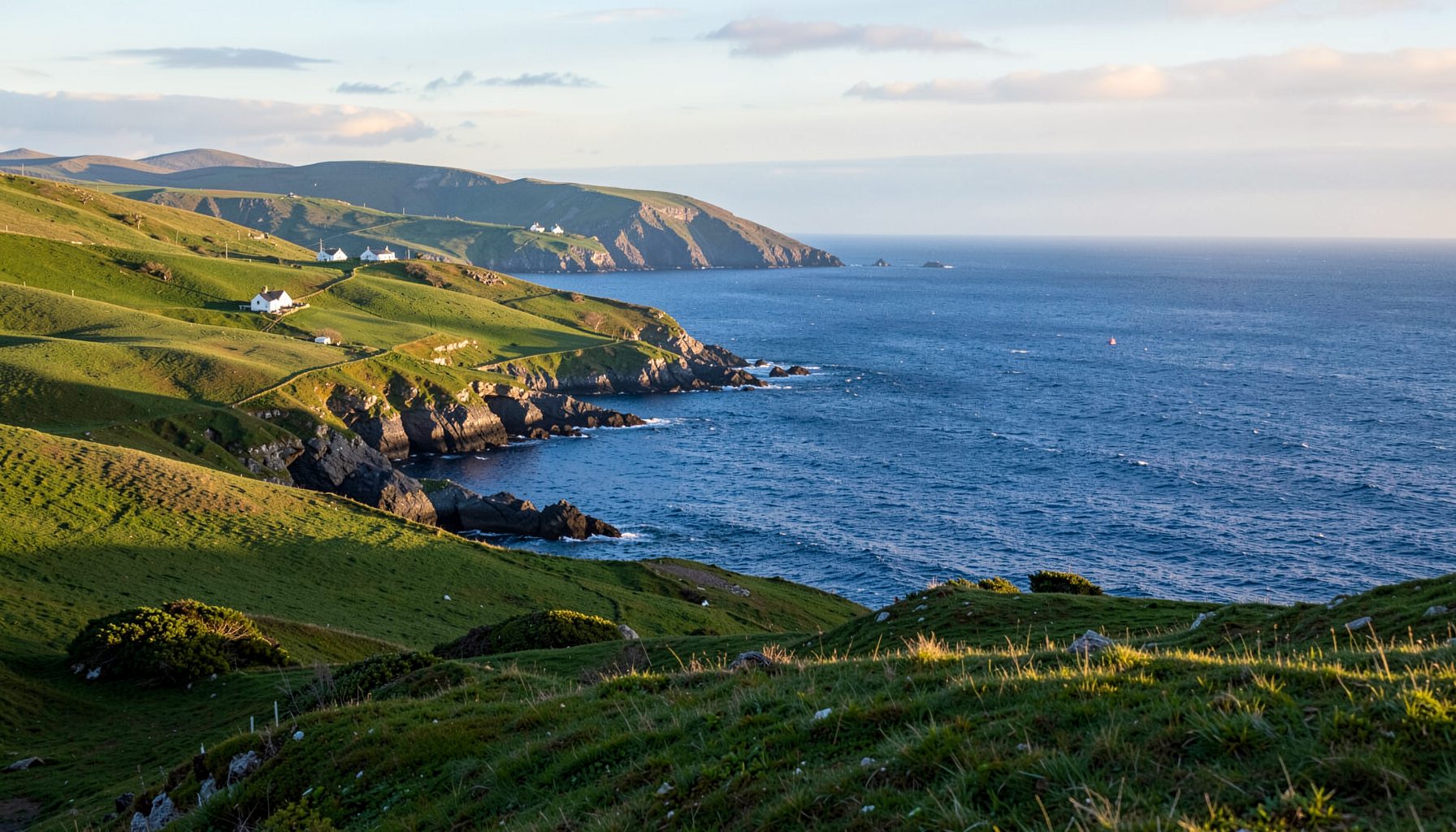
The Best Wild Camping Spots on the Iveragh Peninsula
The Iveragh Peninsula offers a remarkable setting for a self-sufficient camping trip: Atlantic headlands, dark skies, quiet beaches, mountain valleys and views towards the Skellig Islands. The landscape around the Ring of Kerry can feel wonderfully remote, yet roads, farms and small communities are never far away. That combination makes wild camping rewarding, though it calls for more planning than simply carrying a tent into the hills.
For visitors from Australia, the experience is quite different from pitching beside a creek in Victoria or finding a permitted bush campsite outside Brisbane. Ireland has a dense pattern of private land, narrow roads, grazing animals and changeable weather. The most enjoyable overnight stays come from choosing discreet locations, asking permission where necessary and treating the coast as a shared living landscape rather than an empty wilderness.
Understanding Wild Camping On Iveragh
Wild camping generally means carrying your tent away from an organised campsite and staying for one night with minimal impact. On the Iveragh Peninsula, there is no universal right to camp wherever you wish. Much of the land is privately owned, and a field that looks unused may still be part of a working farm or contain livestock.
Permission is the safest approach for private ground. Beaches, dunes, roadside pull-ins and scenic viewpoints may have local restrictions, especially during busy summer periods. National parks and heritage sites can have their own rules, and camping directly at sensitive archaeological locations is inappropriate. Skellig Michael is a UNESCO World Heritage Site and a protected monastic settlement visited by boat; it is not an overnight camping destination.
The word “wild” should describe the feeling of the stay, not the behaviour of the camper. A small tent, late arrival, early departure and no visible trace will cause less disruption than a large camp with furniture, music or an open fire.
Valentia Island And The Western Headlands
Valentia Island is one of the most attractive bases for a low-impact overnight adventure. The island combines dramatic cliffs, quiet lanes, exposed coastline and a strong sense of place. Areas around Bray Head can provide spectacular walking and sunset views, but the headland itself is sensitive and exposed. Look for land where camping is explicitly permitted rather than assuming that a grassy viewpoint is available for an overnight stay.
The western and southern edges of Valentia are especially vulnerable to wind. A sheltered-looking hollow can become uncomfortable after dark when Atlantic weather changes direction. A low-profile tent with reliable pegs is essential, and a backup plan matters more here than an optimistic weather forecast. Staying near a village or approved campsite can be the better choice when wind warnings or heavy rain are expected.
Valentia’s heritage also deserves attention. Its telegraph history, slate quarrying, geology and maritime connections are part of the island’s character. Learning about these stories through Skellig Coast communities helps visitors understand why a quiet patch of ground may have cultural importance beyond its scenery.
Ballinskelligs And St Finian’s Bay
The Ballinskelligs area is a strong option for campers who want access to beaches, coastal walks and views towards Skellig Michael. Ballinskelligs Beach and St Finian’s Bay are beautiful, but beauty brings pressure during the warmer months. Sand dunes are easily damaged by foot traffic, and a tent should never be placed on fragile vegetation or in a location that blocks local access.
St Finian’s Bay is particularly exposed and can feel much wilder than its road access suggests. Arrive in daylight, check the ground carefully and avoid camping close to cliffs, sea walls or the high-tide line. A calm afternoon can give a false impression of conditions, especially when swell is building offshore. If permission cannot be obtained for nearby land, use a registered campsite in the area rather than treating the beach as an informal campground.
Ballinskelligs village provides useful supplies and a chance to support local businesses. Stock up before heading into remote areas, and remember that opening hours can be limited outside the main tourism season. This is unlike the Australian habit of relying on a late-night supermarket in Sydney or Melbourne; rural west Kerry may have fewer alternatives once shops close.
Derrynane, Caherdaniel And Castlecove
The coast around Derrynane and Caherdaniel offers sheltered bays, historic sites and access to sections of the Kerry Way. It is among the most appealing parts of the peninsula for a walking-based camping trip, but it is also one of the places where visitors need to distinguish between public access and permission to stay overnight. A walking trail does not automatically grant the right to pitch a tent beside it.
Derrynane Beach and the surrounding dunes should be treated as recreation areas rather than default wild-camping locations. Check signs, speak with the relevant landholder or ranger and avoid setting up near beach entrances, picnic areas or archaeological features. Around Castlecove, narrow roads and limited verges make roadside camping unsafe and inconsiderate, even if a view appears inviting.
Caherdaniel is useful for resupply and for learning about the area’s maritime and political history. It can also be a sensible place to arrange a permitted overnight stay. The peninsula’s local accommodation and camping businesses are part of the region’s economy, so paying for a legal site can be a practical way to gain facilities, local advice and a more secure base.
Weather, Tides And Essential Equipment
Iveragh’s weather can shift quickly in every season. Rain may arrive horizontally, mist can reduce visibility on open ground and strong wind can make a mild forecast feel severe. Waterproof clothing, a proper sleeping mat, a fully enclosed shelter and dry bags are more useful than extra gadgets. Cotton clothing is a poor choice for a wet coastal night; quick-drying layers and spare socks are far more valuable.
Tides must be checked before camping near any beach, inlet or rocky shore. Do not rely on the position of the water when you arrive, because a safe-looking strip can disappear overnight. Carry an offline map, a charged phone and a power bank, but do not assume that mobile coverage will be dependable around every valley or headland.
Australian campers may be accustomed to checking total fire bans, park alerts and state-based restrictions before lighting a stove or fire. Ireland has its own access rules and local restrictions, and open fires are a particularly poor choice on exposed coastal ground. Use a compact stove only where permitted, keep it stable, and never burn driftwood, peat or vegetation.
Leave No Trace On The Coast
The coast around Iveragh is shared by walkers, farmers, wildlife, residents and visitors. Pack out every item, including food scraps and toilet paper. Use established toilets when available. Where facilities do not exist, follow recognised low-impact sanitation guidance, stay well away from watercourses and the shore, and leave no visible evidence of your visit.
Avoid digging trenches, moving stones, cutting vegetation or attaching equipment to walls and fences. Gates should be left exactly as found. Dogs need close control around sheep, cattle and nesting birds, while drones can disturb wildlife and other visitors. A quiet camp is especially important in places where houses and farm buildings are close to the walking route.
The Irish outdoor market has increasingly focused on lightweight shelters, waterproof layers and reusable equipment, but buying the newest gear does not replace sound judgement. A small rubbish bag, repair tape, a map and enough food for a delayed departure often matter more than an expensive accessory.
Planning A Safe And Respectful Overnight Stay
The best locations are usually chosen by matching the landscape to the conditions rather than chasing a famous viewpoint. A sheltered, permitted patch of ground near an established route can be a better experience than a dramatic cliff edge. Plan the walking distance conservatively, allowing time to find a legal place before darkness and to move on if the ground is unsuitable.
Driving is on the left in both Ireland and Australia, but the roads on Iveragh demand extra care. Visitors from Perth, Adelaide or regional New South Wales may be comfortable with long distances, yet Irish lanes can be narrow, winding and bordered by stone walls. Large campervans are difficult on some routes, and parking in passing places can prevent emergency access.
Irish law and local by-laws should be checked before departure, particularly around protected landscapes, beaches and public land. Do not assume that Australia’s national-park camping customs apply. In many Australian parks, a booking or permit clearly identifies approved sites; on Iveragh, permission may instead come from a landowner or local operator, and the responsibility for checking access rests with the visitor.
A Responsible Camping Checklist
Use this short checklist before setting out:
- Confirm whether the land is private, protected or subject to a camping restriction, and obtain permission where required.
- Choose a discreet, durable site away from dunes, cliffs, archaeological remains, watercourses and livestock.
- Check the tide, wind and rainfall forecast, then prepare an alternative campsite or accommodation option.
- Carry all food, rubbish and sanitary waste out, and leave gates, walls and vegetation undisturbed.
- Support village shops, cafés, guides and approved campsites when buying supplies or arranging an overnight stay.
A good trip also includes a realistic departure plan. Pack up early, before walkers and farmers are active, and leave the site cleaner than you found it. If weather becomes unsafe, abandoning a planned wild camp is sensible decision-making rather than failure.
The Iveragh Peninsula rewards visitors who slow down and pay attention: follow the contours of the land, listen to local advice and give working communities room to continue their daily lives. Use the Skellig Coast information resources to explore villages, heritage sites and outdoor programmes, then choose an overnight arrangement that protects the coastline for the next person.