Beaches and Swimming Spots for a Refreshing Dip Near Portmagee
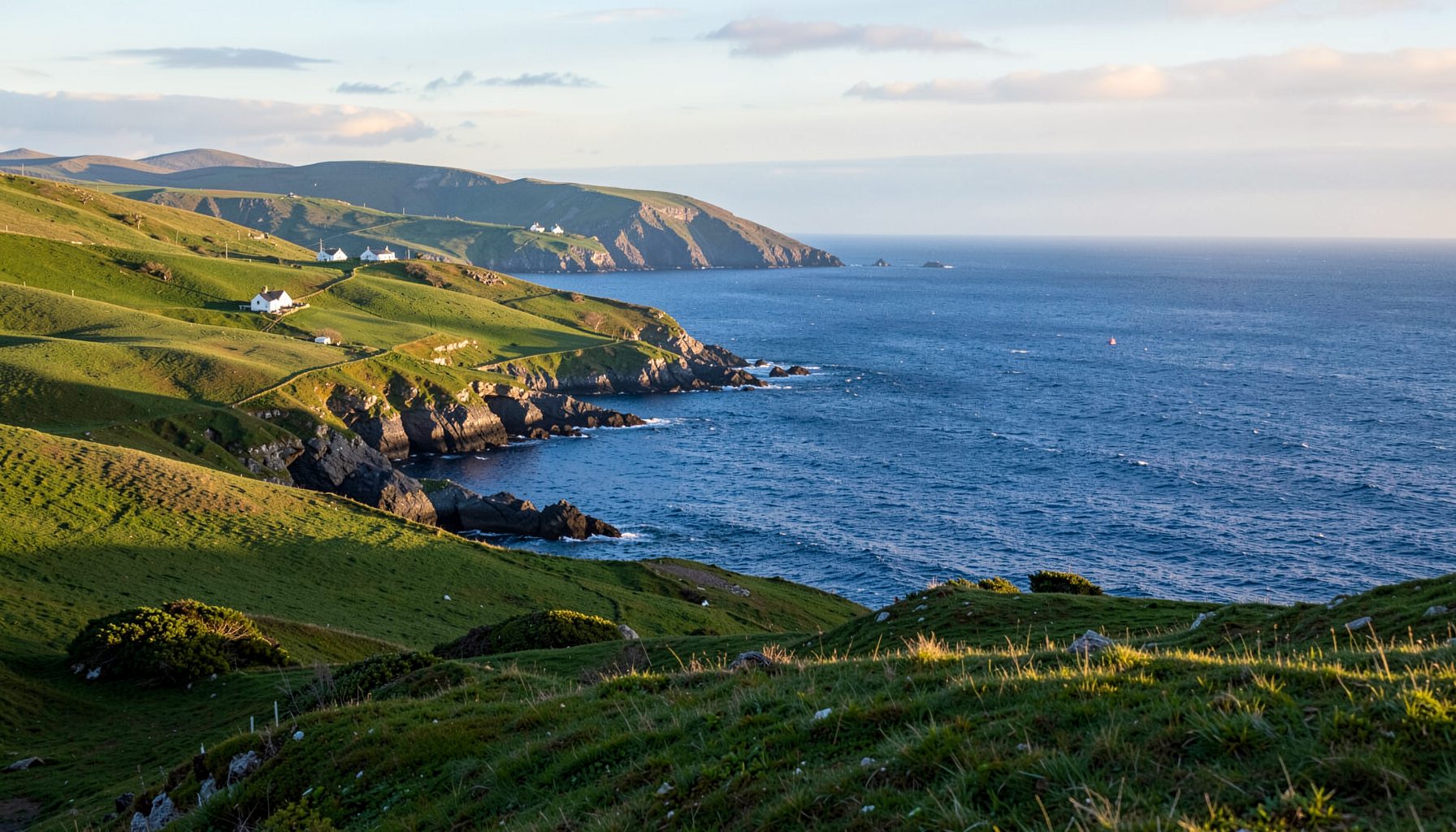
The Iveragh Peninsula curls into the Atlantic like the spine of some ancient creature, and at its southern tip the village of Portmagee leans into the spray. Travellers flying in from Sydney or Melbourne usually touch down at Dublin or Cork after long-haul routes through Singapore or Dubai, and many find themselves craving salt water by the time they reach Kerry. For Australians used to the patrolled stretches of Bondi or the steady surf of Bells Beach, the swimming here feels wilder, colder and considerably less crowded. There is no lifeguard tower on every headland, no bright-yellow flags marking a safe channel, and the colour of the sea shifts between bottle green and slate grey depending on the cloud.
Portmagee itself is small, colourful and built on the rhythm of the fishing boats and the Skellig Michael ferry. It works beautifully as a base for a few days of slow exploration, particularly for visitors who want to combine a dip in the ocean with a climb up to the UNESCO monastery or a walk along the Valentia Island coast. Most travellers who come here in the warmer months are looking for two things: scenery and somewhere to swim without freezing, and the coastline between Kells and Castlecove offers more inviting options than first impressions suggest.
This guide walks through the swimming spots and beaches within a short drive of Portmagee, from sheltered coves to exposed Atlantic strands. It also covers the practical side of bathing on the Kerry coast, including tides, wind direction and what Australians should know about local water safety conventions before they unpack their towel.
Portmagee Village and the Edge of the Atlantic
Portmagee sits at the bridge that connects the Iveragh Peninsula to Valentia Island, with the Skellig rocks visible on a clear day. The harbour itself is not a swimming spot, mainly because of the ferry traffic and the working boats, but the pier offers a bracing place to watch the sea before walking further. The village has a strong tradition of small hospitality businesses, and several guesthouses, B&Bs and cafés operate through the high season, which roughly mirrors the Australian winter months of June to August.
For Australian visitors, one of the first adjustments is the temperature of the water. Even on the warmest August afternoon, the Atlantic off Kerry rarely climbs above fifteen degrees Celsius, which is similar to a winter swim at Manly or a chilly morning in the surf at Margaret River. Wetsuits are common among locals, and travellers planning more than a quick paddle should pack a shortie at minimum. The reward is clear water, dramatic cliffs and the occasional dolphin pod cruising past the headland.
St Finan's Bay
St Finan's Bay lies a short drive west of Portmagee along the R565, a narrow road that winds past stone walls and grazing sheep. The beach itself is a broad arc of sand backed by low dunes, with the Atlantic rolling in from the south-west. On a calm day the bay reads as one long, forgiving shoreline, with shallow water near the centre that suits families and less confident swimmers. The Slip Slop Slap sun-safety campaign familiar to Australians from childhood is worth remembering here; the Irish UV index is lower than at home, but sunburn on a wind-chilled face is still common.
Swimmers should walk to the eastern end of the beach where a small rocky outcrop shelters a tidal pool. The pool fills with clear water at high tide and stays swimmable for a couple of hours either side of the peak, which makes it the closest thing Portmagee has to a calm ocean bath. There are no lifeguards, no flagged areas and very little in the way of facilities, so swimmers need to bring their own water, towel and a way to keep phones and keys dry.
Kells Bay
Kells Bay sits further west along the same coast road, past the village of Cahersiveen and within easy reach of a half-day loop from Portmagee. The shoreline here is longer, the sand is finer and the dunes are taller, which makes the whole place feel more open than St Finan's. Australian travellers who have grown up driving between surf towns along the Pacific Highway will find the layout familiar: a single road in, a car park at the headland, and a beach that unfurls in either direction.
The swimming at Kells depends entirely on the weather. When the south-westerly swell is running, the shore break can be punchy and the rip currents along the headland are worth respecting. On quieter mornings the water shelves gently and the bay is fine for steady, front-crawl swimming parallel to the beach. A small café near the entrance serves coffee in summer, and the nearby Kells Bay House gardens are an easy detour for anyone who wants a slower afternoon.
Derrynane Beach and Harbour
Derrynane lies a little further around the coast, just past the village of Caherdaniel and within a forty-minute drive of Portmagee. The main beach, Derrynane Bay, faces south and catches the same Atlantic swell as the other spots, but the adjacent harbour offers a markedly different experience. A thin strip of sand protects a shallow, sheltered pool that fills at high tide and stays calm enough for relaxed swimming for hours afterwards.
This dual personality makes Derrynane a useful reference point for visitors used to comparing sheltered harbour beaches like those at Sydney's Nielsen Park with the open surf of Coogee. Derrynane offers both in the same place. The main beach draws swimmers and walkers, while the harbour side is better for anyone who simply wants to float, look at clouds and warm up after a dip. Parking is straightforward, and the lane down to the harbour is lined with small holiday cottages.
Valentia Island's Slate Coves
Crossing the bridge from Portmagee brings visitors to Valentia Island, which has its own scattering of quiet swimming places. The slate-grey rock that gives the island its character extends into the sea in places, creating small natural platforms and sheltered inlets. Knightstown has a tidy little cove on its northern side that locals use throughout the summer, and the western side of the island, near Bray Head, has a series of small, pebbly strands reached by walking paths.
These spots are not for anyone looking for a manicured swimming beach. They reward walkers and bathers who treat the coast as part of a longer route, and they are at their best on a still morning after a calm night. Because Valentia is reached by bridge from Portmagee itself, they are genuinely accessible on foot for anyone based in the village, which makes them an easy choice for a quick morning swim before the day's main outing.
Reading Tides, Wind and Local Weather
Bathing anywhere along this stretch of coast demands a bit of weather literacy. The tide range is moderate, but spring tides pull water away from the shoreline enough to expose rocks and weed that are hidden at high water. Wind direction matters too: a south-westerly pushes swell straight into the bays and makes the Atlantic beaches rougher, while an easterly tends to flatten the sea and improve swimming conditions across the board.
Australians used to checking the Bureau of Meteorology radar at home will find the Irish Met Éireann forecasts cover the same basics, with a particular focus on swell height, wind gusts and sea temperature. Irish water safety messaging is delivered through Water Safety Ireland rather than state-level authorities, and the absence of lifeguard flags along most of these beaches is normal rather than a sign of neglect. The convention is to assess conditions yourself, swim with a partner and stay within your ability, particularly given how cold the water is.
Picking a Beach That Suits Your Swim
The right beach near Portmagee depends on the weather, the company and how much swimming you actually want to do. Calm days open up almost every option along the coast, while a fresh south-westerly narrows the choices to sheltered spots such as Derrynane harbour or the Valentia side. Anyone with young children tends to gravitate to Derrynane and St Finan's, while confident swimmers looking for open water tend to drift towards Kells.
| Beach | Drive from Portmagee | Best Conditions | Family Friendly | Facilities |
|---|---|---|---|---|
| Portmagee Harbour | Walk | Calm sea, any tide | Moderate | Café, parking |
| St Finan's Bay | 10 min | Light wind, mid-tide | High | Limited |
| Kells Bay | 30 min | Light south-wester, rising tide | Moderate | Café, parking |
| Derrynane Bay | 40 min | South-facing swell | High | Café, parking, toilets |
| Valentia Knightstown | 10 min | Calm morning | Moderate | Limited |
Recommendations for a Great Swim Near Portmagee
- Pack a shorty wetsuit if you plan to swim for more than a few minutes, even in midsummer.
- Check the Met Éireann wind forecast the night before and pick a beach that matches the conditions.
- Walk to the quieter ends of larger beaches to find tidal pools and sheltered rock platforms.
- Combine a swim with a Skellig Michael ferry departure or a Valentia Island loop to make a full day of it.
- Bring water, sunscreen and a dry bag for phones and keys, since most beaches have very few facilities.
- Swim parallel to the shore rather than out to sea, and avoid the rip-prone corners near headlands.
- Save the harbour at Derrynane for the most relaxing, kid-friendly option if travelling with younger children.
If you are planning a trip to the Skellig Coast from Australia, Portmagee is one of the best bases for combining a swim with a Skellig Michael visit. Browse the rest of the site for village guides, ferry timetables and a calendar of community events running through the summer season, and start mapping out the beaches that suit your travelling style. The Atlantic is colder than the Pacific, but the scenery more than makes up for it.