Wild Swimming Along Ireland’s Skellig Coast
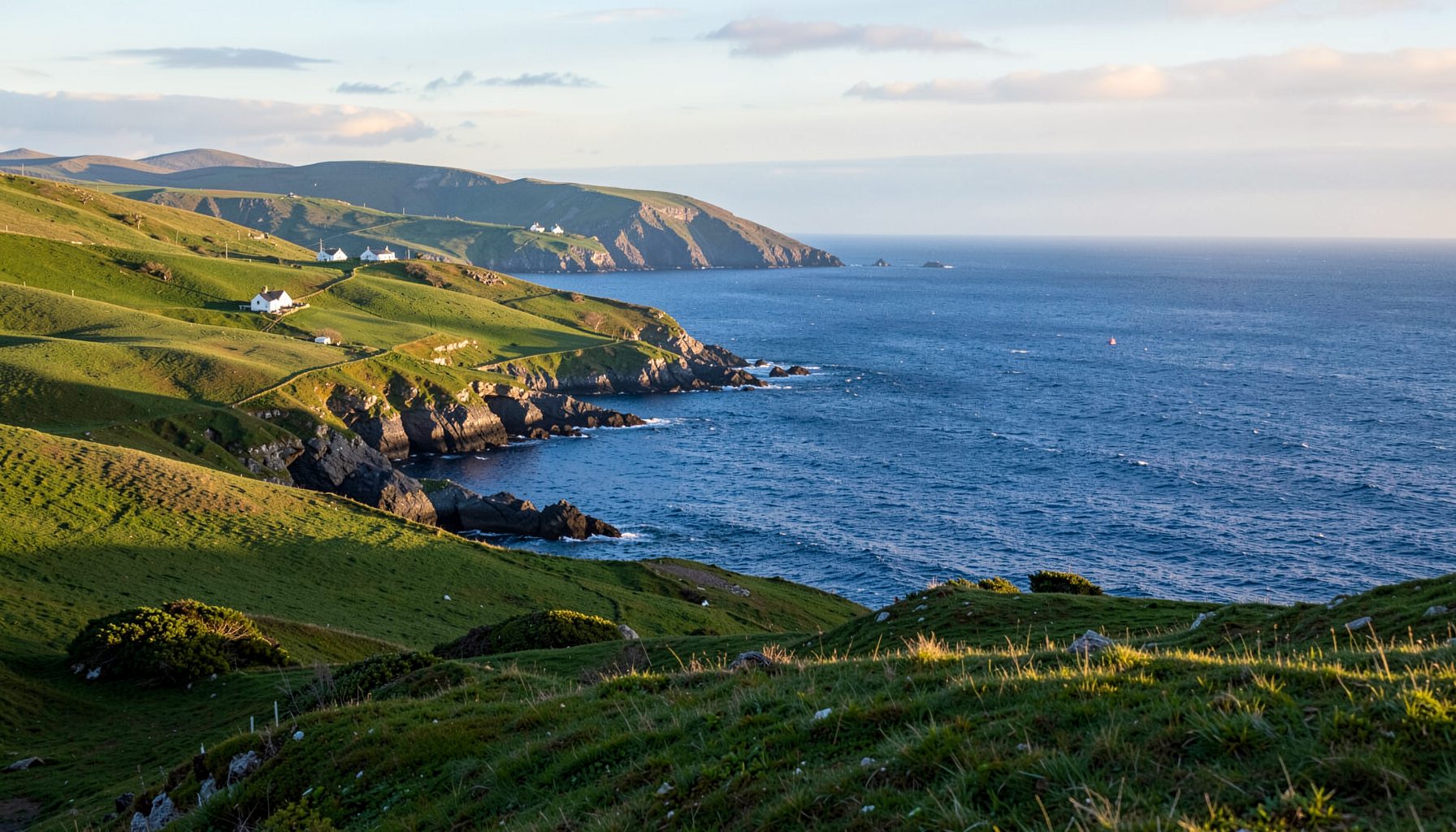
The Skellig Coast stretches from Kells towards Castlecove along one of Ireland’s most memorable shorelines. Beaches, rocky inlets, sheltered coves and clear Atlantic water create plenty of possibilities for a bracing sea swim, whether you are travelling for the landscape, local heritage or the simple pleasure of entering the ocean under a wide western sky.
For Australian visitors, the experience can feel familiar and entirely different. Like a swim near Sydney or along Victoria’s coast, conditions change quickly and the sea deserves respect. However, many Irish swimming spots are unpatrolled, cooler and more exposed than a city beach with red-and-yellow flags. The reward is a quieter connection with the coast, provided you choose carefully and swim within your limits.
What makes this coastline special
The Iveragh Peninsula combines sandy strands with rocky headlands, offshore islands and views towards the Skelligs. Water colour changes with the weather, from slate grey beneath cloud to clear green-blue in sunshine. Even short swims can feel dramatic because hills and cliffs rise close behind the shore.
Wild swimming here is less about finding a single famous bathing beach and more about reading the character of each location. A calm cove may be suitable for a gentle dip, while a nearby open beach can have strong undertow or breaking waves. Local knowledge, tide information and a realistic assessment of your ability matter more than appearances.
The Atlantic is cold throughout the year. In summer, water temperatures may still feel challenging to swimmers accustomed to warmer seas around Brisbane, Perth or northern New South Wales. A wetsuit, tow float and warm clothing for afterwards are sensible equipment rather than signs of inexperience.
Derrynane offers a sheltered starting point
Derrynane Beach is one of the most appealing places to begin exploring the coast. Its broad sweep of sand, sheltered position and views across Kenmare Bay make it suitable for a cautious dip when conditions are settled. The beach is also close to Derrynane House and the surrounding heritage landscape, allowing a swim to form part of a wider day out.
The water near the main beach can be gentler than at more exposed Atlantic locations, but conditions are never guaranteed. Check the tide, wind direction and wave size before entering. Walk the shoreline first and look for submerged rocks, channels and areas where waves are concentrating.
Abbey Island, reached from Derrynane at low tide, adds visual interest but requires care. The crossing is tidal, and access can change during the day. Treat it as a place to observe the landscape rather than an invitation to cross quickly before a swim. Allow plenty of time for the return journey.
Castlecove and Caherdaniel suit quiet coastal days
Castlecove has a small, attractive beach tucked into the coast near the historic Staigue area. Its sheltered setting can make it appealing for a calm-water dip, particularly when the larger beaches are receiving swell. Space is limited, so it is best approached as a peaceful swimming stop rather than a place for a long beach session.
Caherdaniel and the coves around it offer a similar sense of scale. Rocky edges, seaweed-covered stones and changing water levels are part of the setting. Wear footwear with good grip if you are entering over rocks, and avoid jumping from ledges when you cannot see the depth below.
The coastline around Castlecove is also rich in archaeological and cultural features. A swim can be combined with a visit to nearby stone forts, walking routes or local community attractions. Keep the shore clean, take rubbish with you and avoid disturbing nesting birds or marine life in shallow pools.
Ballinskelligs and St Finan’s Bay bring open Atlantic views
Ballinskelligs Beach is a long, spacious strand with views towards the Skellig islands and the ruins of McCarthy’s Castle. It is one of the coast’s most recognisable settings for a beach walk and, in suitable weather, a refreshing swim. The open layout makes it easier to assess wave conditions before committing to the water.
Swimmers should remember that a beautiful long beach can still contain rip currents and uneven sandbars. Avoid swimming alone, stay parallel to the shoreline rather than heading far out, and do not enter if waves are breaking heavily across the full width of the beach. If you are caught in a rip, conserve energy, float and raise an arm for help rather than trying to fight directly against the current.
St Finan’s Bay, between Ballinskelligs and the Skellig coast, is more exposed and feels wilder. Its scenery is exceptional, but it is better suited to experienced swimmers who have checked the forecast and understand changing Atlantic conditions. A calm-looking surface can conceal surge around rocks or a strong pull near the beach.
Kells Beach is a good northern option
Kells Beach, near the eastern end of the Skellig Coast, has a broad coastal setting and a quieter atmosphere than many better-known visitor destinations. It can be a rewarding place for a short swim when the bay is calm, particularly for travellers who want to combine the water with views across the peninsula.
As with every beach in the region, conditions depend on wind, swell and tide. Do not assume that a sheltered appearance means still water throughout the bay. Watch for channels, drifting seaweed and areas where the texture of the surface changes. Those details can indicate deeper water or moving currents.
Kells also works well as a base for a slower day. Visit local businesses, stock up on food from village shops or a nearby farmers’ market when one is operating, and allow time for the journey rather than rushing between beaches. A picnic purchased locally is a practical way to support the communities that maintain the character of the coast.
| Swimming spot | Best suited to | What to watch for | Useful nearby experience |
|---|---|---|---|
| Derrynane Beach | Beginners and relaxed summer dips | Tides, submerged rocks and changing swell | Derrynane House and Abbey Island |
| Castlecove Beach | Short swims in a small cove | Limited space, rocks and tidal movement | Staigue Fort and coastal heritage |
| Ballinskelligs Beach | Confident beach swimmers | Rip currents, sandbars and Atlantic swell | Skellig views and McCarthy’s Castle |
| St Finan’s Bay | Experienced swimmers in settled weather | Exposure, surge and strong currents | Dramatic scenery and quiet shoreline |
| Kells Beach | Short swims and beach walks | Wind direction, channels and uneven seabed | Local villages and bay views |
Read conditions like a local
Irish beaches do not always have the same visible safety system Australian visitors expect. At Bondi, Manly or many other Sydney beaches, patrol flags and lifeguards help define where and when people should swim. On the Skellig Coast, you may find no flags, no patrol and no other swimmers nearby. Treat the absence of warnings as a reason to assess conditions carefully, not as proof that the water is safe.
Check a reliable marine forecast before leaving and reassess when you arrive. Wind direction can transform a beach within a few hours. Tide times affect access to beaches and islands, while rain can reduce visibility in streams and alter water quality near outflows. Ask locally for current information where possible, especially if you are unfamiliar with the shoreline.
Swim with a companion and tell someone on land where you are going. Carry a charged phone in a waterproof case, but do not rely on mobile coverage in every cove. In an emergency, Ireland uses 112 or 999. Australian visitors may instinctively reach for Triple Zero, but the Irish emergency numbers are the ones to remember.
Prepare for cold water and changing weather
Cold-water shock can affect strong swimmers. Enter gradually, control your breathing and avoid racing into deep water. A brightly coloured tow float can make you easier to see, while a wetsuit provides insulation and may extend the time you can safely remain in the water. Keep your swim short unless you are properly acclimatised.
Bring a dry robe or large towel, warm layers, a hat and a hot drink for afterwards. Irish weather can shift from sunshine to rain quickly, even during the warmer months. Australian swimmers familiar with applying sunscreen before a beach day should keep doing so here: cloud and cool air do not eliminate ultraviolet exposure.
If you become cold, dizzy, unusually tired or confused, leave the water immediately and warm up. Do not treat shivering as an ordinary part of the experience. Sea swimming is meant to be invigorating, not a test of endurance.
Make the swim part of a respectful coastal visit
The Skellig Coast is a living region rather than a backdrop for photographs. Villages, farms, heritage sites and community projects share space with visitors. Park considerately, keep access roads clear and follow signs around private land, archaeological sites and nesting areas.
Avoid taking shells, stones or historic material from the shore. Use established paths where they exist, keep dogs under control and carry all rubbish away. If you buy lunch, supplies or a hot drink locally, you help support the shops and cafés that serve residents as well as travellers. These small customs matter in places where seasonal tourism can put pressure on limited services.
Swimming also needs a cultural sensitivity. Do not assume that a quiet cove is private, and do not change clothes in a way that makes nearby residents uncomfortable. A towel, robe or changing shelter is useful. Leave the beach as you found it, with no trace beyond footprints that the next tide will remove.
A swim along this coast is most memorable when it is treated as part of a complete day: a walk, a heritage visit, a locally sourced meal and time to watch the weather over the bay. From the sheltered sands of Derrynane to the open views at Ballinskelligs, each place offers a different relationship with the Atlantic.
Before setting out, check the marine forecast, tide times and local access information, then choose the beach that matches your experience and the day’s conditions. Explore the Skellig Coast thoughtfully, support its communities and make every swim a safe, respectful encounter with Ireland’s western edge.