The Best Spots for Sea Angling from the Shore on the Skellig Coast
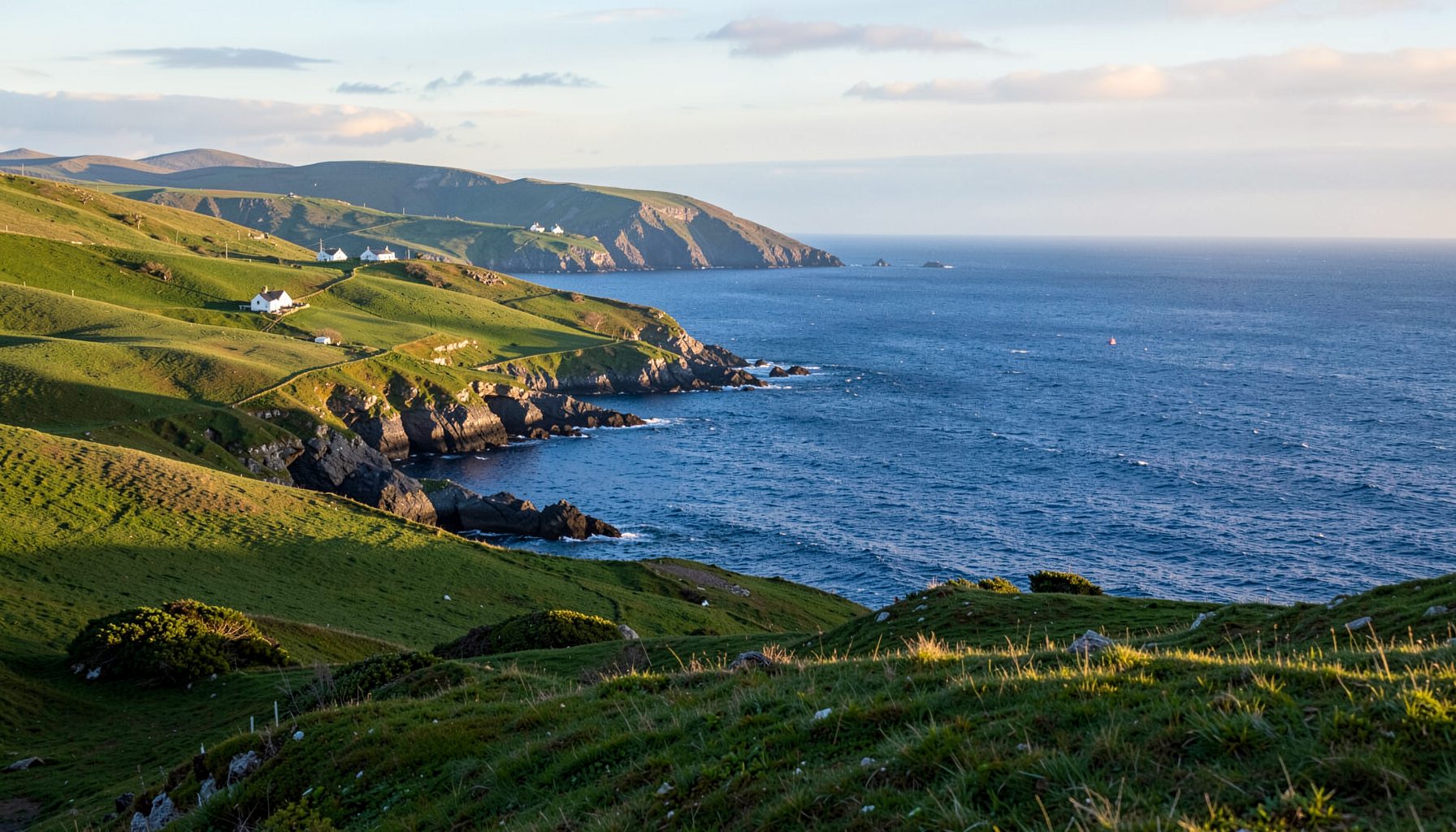
The Skellig Coast offers shore anglers a remarkable mix of rocky headlands, open beaches, sheltered coves and tidal estuaries. Stretching from Kells to Castlecove along the Iveragh Peninsula, this Atlantic coastline provides opportunities to target pollack, wrasse, mackerel, coalfish and occasional bass without launching a boat.
The character of the fishing changes quickly. A calm bay may hold wrasse among kelp-covered rocks, while a nearby headland can produce pollack over deep water. Sandy beaches are influenced by surf, tide and bait movement, and estuary mouths can bring different species close to shore. Local knowledge, careful observation and respect for access arrangements are as important as the tackle used.
Conditions are central to a successful session. Swell, wind direction, water clarity and the state of the tide can transform a familiar mark within an hour. The locations below are useful starting points for exploring the coastline, but anglers should inspect access, check current regulations and avoid fishing exposed ground in unsafe weather.
Ballinskelligs Bay And Its Rocky Edges
Ballinskelligs Bay combines a long sandy shoreline with rocky ground around the edges of the bay. The beach itself can fish well when surf stirs up food, particularly around periods of increasing tidal movement. Bass may patrol the shallows in suitable conditions, while flatfish and smaller species can be encountered over sandy ground.
The rocky margins near the bay offer a different style of fishing. Wrasse, pollack and coalfish are possible around kelp and broken ground, especially where deeper water lies within casting distance. Lures, float tackle and light ledger rigs can all have a place, depending on the mark and the tide.
Anglers should avoid crossing slippery rocks on a rising tide and take care near cliff edges. Ballinskelligs is also valued for its landscape and bathing areas, so fishing activity should be considerate of swimmers, walkers and local residents. Parking and access can become busy during the summer season.
Portmagee Channel And Valentia Shorelines
The waters around Portmagee and Valentia Island include narrow channels, rocky points and sheltered sections influenced by strong tidal flow. These conditions create productive habitats for pollack, wrasse and coalfish. Fishing close to structure can be rewarding, but kelp and rough ground make tackle losses more likely.
Valentia’s shore marks vary considerably. Some accessible areas suit short sessions with spinning or float gear, while deeper rock platforms may favour heavier lure or bait approaches. Look for current lines, submerged ledges and places where tide pushes food against a headland. Mackerel can appear during the warmer months, although their arrival is seasonal and never guaranteed.
The Portmagee Channel is a working maritime environment. Anglers need to keep clear of boat routes, moorings, slipways and harbour operations. Strong tidal streams can develop around points and crossings, so a calm appearance from shore does not always indicate safe conditions. Local advice is especially valuable before fishing unfamiliar ground.
Derrynane, Caherdaniel And The Kenmare Bay Coast
The coastline around Derrynane and Caherdaniel contains several small beaches and rocky coves facing the broader waters of Kenmare Bay. Sheltered marks can be comfortable in moderate weather, while exposed points produce more Atlantic swell and may hold pollack, wrasse and other reef species.
Derrynane’s mixed shoreline is particularly suited to anglers who enjoy changing tactics. A sandy cove can be fished with bait or light spinning gear, while nearby rock provides access to kelp beds and deeper water. At the mouth of a small stream or tidal inlet, species may move with the tide as food is displaced from the shallows.
Many of these areas are close to beaches, historic sites and walking routes. Keep equipment compact, avoid blocking access and leave gates as they are found. Some rocky platforms become dangerous quickly when waves run across them, even when the beach looks calm. A flotation aid and studded footwear are sensible precautions for anyone fishing low, uneven ground.
| Shore area | Shoreline character | Species and methods to consider | Conditions to watch |
|---|---|---|---|
| Ballinskelligs Bay | Sandy beach with rocky margins | Bass, flatfish, wrasse and pollack; bait, spinning and float fishing | Surf, swimmers and slippery rocks |
| Portmagee Channel | Tidal channel, harbour edges and broken rock | Pollack, wrasse, coalfish and seasonal mackerel; lures, float tackle and bait | Boat traffic and strong tidal flow |
| Valentia Island | Rocky points, coves and deeper shore marks | Pollack, wrasse, coalfish and mackerel; spinning, float and light bait rigs | Swell, kelp and isolated access |
| Derrynane and Caherdaniel | Sheltered coves, beaches and reef edges | Wrasse, pollack, bass and flatfish; mixed methods | Rising tide and wave wash |
| Castlecove | Small bays and rocky Atlantic shoreline | Wrasse, pollack and occasional bass; bait and lure fishing | Exposed rocks and changing swell |
| Kells Bay area | Estuary influence, beach and rocky shore | Bass, flatfish and smaller coastal species; bait and lure fishing | River flow, soft ground and beach conditions |
Castlecove And The Sheltered Coves
Castlecove marks sit among some of the most scenic coastal surroundings on the Iveragh Peninsula. The small bays and rocky shoreline can provide access to wrasse and pollack, with the possibility of bass in shallow water at suitable stages of tide and weather. Clear water and bright conditions may make fish cautious, so fishing around dawn, dusk or overcast periods can be worthwhile.
The coves are best approached with a flexible plan. Start by identifying safe casting positions, then check whether weed, boulders or sand dominate below the surface. A float can keep bait above snags, while soft plastics and small metals can cover water along rock edges. Avoid casting across areas used by boats or directly towards people on beaches.
Castlecove is also close to important heritage and walking locations. Anglers should use established parking areas where possible and avoid private land unless permission has been granted. The most attractive ledges are often the least forgiving, and no catch is worth standing where a breaking wave can reach.
Kells Bay And Estuary Fishing
Kells Bay marks the transition between open coastal fishing and estuary-influenced water. Around the bay and the mouth of the River Kells, anglers may find sandy or muddy ground, tidal channels and mixed shoreline habitat. These areas can appeal to those targeting bass and flatfish with bait, lures or lightweight spinning tackle.
Estuary fishing depends heavily on water movement. The incoming tide may push baitfish and small prey into the shallows, while the ebb can create current along channels and sandbars. Look for deeper gutters, visible current seams and places where freshwater meets the tide. Avoid wading into unfamiliar channels, as soft sediment and fast-moving water can be hazardous.
The Kells area is valued for quiet scenery and community life as much as for fishing. Keep noise low near homes, take all line and bait packaging away, and do not leave fish remains where they could affect public areas. Shore angling works best when it remains compatible with the people who live beside the coast.
Choosing Tackle For Atlantic Shore Marks
A versatile spinning rod of roughly 8 to 10 feet can cover many accessible marks, from beach edges to low rock. A fixed-spool reel with braid or fine monofilament provides useful casting distance, while a shock leader helps when fishing over rough ground. For pollack and wrasse, short traces and strong hooks are often more practical than delicate terminal tackle.
Lures should match the water rather than follow a fixed pattern. Small metals can locate mackerel and other fast-moving fish, soft plastics work around structure, and shallow-running plugs can be effective for bass in calm bays. Float rigs are valuable over kelp, allowing bait to suspend above snags. Bait fishing can be productive around sand, reef edges and estuary mouths.
Light conditions and water clarity affect lure choice. Natural colours may suit clear water, while brighter or darker patterns can provide contrast in cloud, swell or stirred-up conditions. Carry only the gear needed for the mark, since scrambling over rocks with a heavy load reduces balance and awareness.
Safe, Responsible And Legal Fishing
Before fishing, check the latest Irish regulations for the species being targeted. Bass rules, seasonal measures, minimum sizes, bag limits and permitted methods can change. Anglers should also check whether a local area has restrictions connected with conservation, bathing, harbour use or protected wildlife. Atlantic salmon and sea trout are subject to specific rules, and they should not be assumed to be legal targets simply because they enter coastal water.
Leave the coastline cleaner than it was found. Take home line, hooks, bait containers and damaged tackle, and release unwanted fish carefully with wet hands. Keep only fish that may legally and responsibly be retained, using a landing net or unhooking mat where practical. Avoid disturbing seals, nesting birds and other wildlife around cliffs, islands and beaches.
A few habits make shore sessions safer:
- Check the tide, swell and wind before leaving, then reassess conditions at the mark.
- Tell someone where you are going and carry a charged phone in a waterproof case.
- Wear layered clothing, non-slip footwear and a flotation aid on exposed rock.
- Fish with a headlamp or torch only where access is already familiar and safe.
- Keep clear of cliff edges, harbour operations, swimmers and areas affected by wave wash.
The Skellig Coast rewards anglers who read the shoreline rather than rushing to a single mark. Begin with an accessible bay, watch how the tide moves around rocks and sand, and record which conditions produce signs of life. A short local session can reveal as much about the coast as a full day’s fishing.
Explore the villages, heritage sites and coastal landscapes between Kells and Castlecove, and use each visit to build a safer, more respectful understanding of the shore. With sound preparation and care for the environment, the Iveragh Peninsula offers memorable sea angling experiences well beyond the moment a fish takes the bait.