The Best Spots for Birdwatching on the Iveragh Peninsula
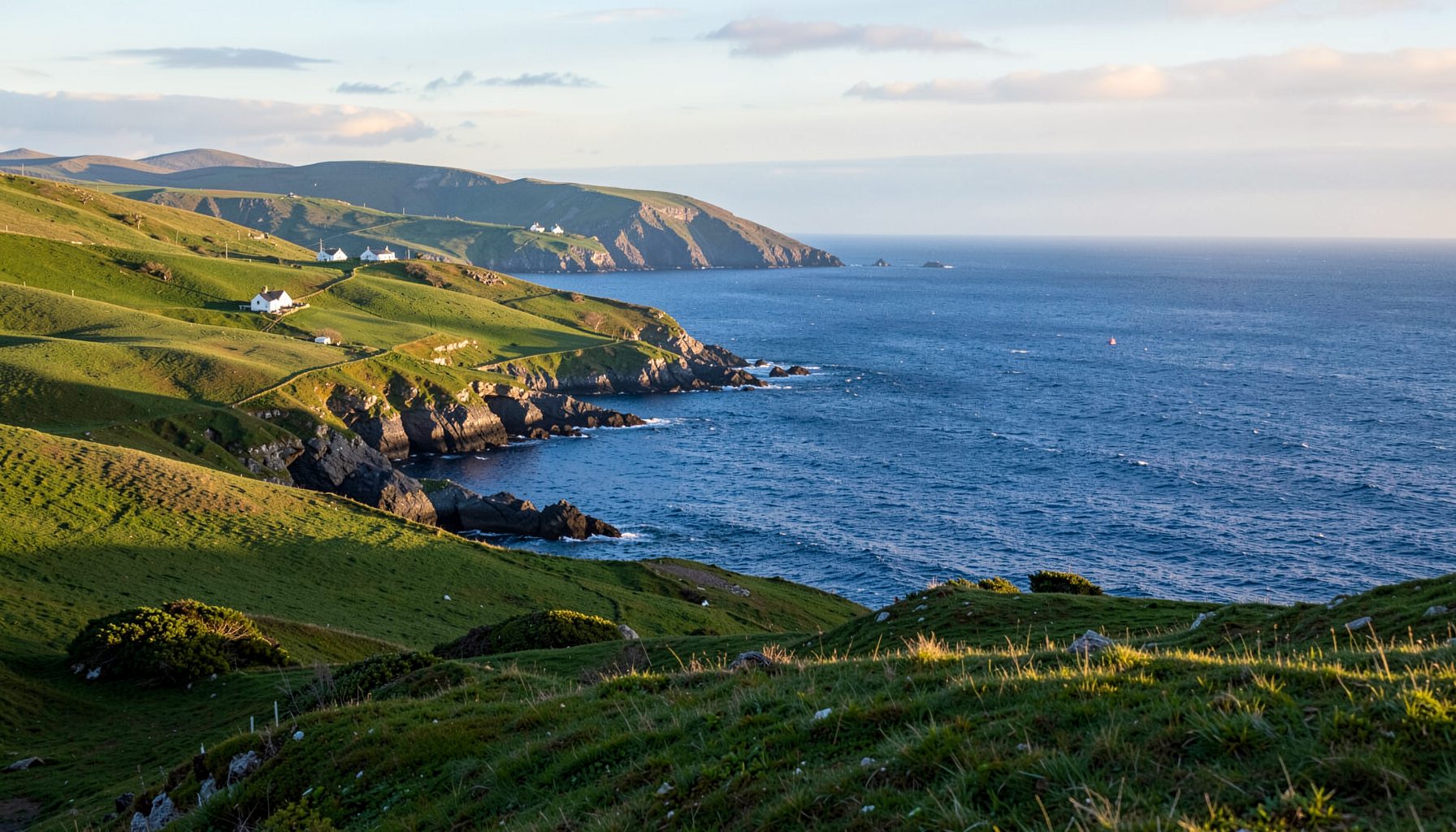
The Iveragh Peninsula offers an unusually varied setting for watching wild birds. Atlantic cliffs, sheltered bays, freshwater lakes, bogland, farmland and woodland all lie within a relatively compact region, creating habitats for resident species and seasonal visitors. A short drive can shift the view from gannets over the ocean to woodland birds moving through native trees or waders feeding along a tidal shore.
Birdwatching here is shaped by the peninsula’s geography. The Skellig Coast faces into the open Atlantic, while the lakes and valleys around Waterville, Cahersiveen and Sneem provide quieter inland habitats. Weather can change quickly, so flexible plans and patient observation are more valuable than trying to cover too many locations in one day.
The best experiences often come from slowing down. Carry binoculars, allow time to scan distant headlands and listen for calls in hedgerows, and check local access information before setting out. Several of the most rewarding places are shared landscapes where conservation, farming, fishing and tourism need to work together.
Atlantic Cliffs And Offshore Islands
The coastline around Portmagee, Valentia Island and the Skellig Islands is a strong choice for observing seabirds. From viewpoints on the mainland, look across the water for gannets, fulmars, kittiwakes and auks. In summer, the cliffs and offshore islands become especially active as birds feed and travel between nesting areas and the open sea.
Skellig Michael is best known for its monastic heritage and UNESCO World Heritage status, as well as its connection with Star Wars. Its exposed rock faces also form an important seabird environment. Sightings from the mainland or from a licensed boat trip can include storm petrels, guillemots, razorbills and puffins at the right time of year. Conditions, boat routes and landing arrangements vary, so the island should be treated as a sensitive place rather than a guaranteed wildlife stop.
Valentia Island provides several opportunities without requiring a boat journey. Coastal roads, harbour areas and elevated viewpoints can all produce distant seabird sightings, particularly when wind and tide bring birds closer to shore. A telescope is useful for identifying birds on far-off cliffs, while binoculars are more practical for scanning moving flocks.
Bays, Beaches And Tidal Shores
Ballinskelligs Bay is one of the most accessible places to combine coastal scenery with birdwatching. The shoreline, dunes and surrounding fields attract gulls, oystercatchers, curlews and other shorebirds. At low tide, exposed sand and rock pools create feeding areas; at high tide, birds often gather along the upper shore or move into quieter corners of the bay.
Cahersiveen and the River Fertha offer another valuable coastal setting. Mudflats, river edges and nearby pasture can hold waders and waterbirds, especially during migration and winter. Scan carefully rather than focusing only on the water: wagtails, meadow pipits and finches may be active on walls, grassy banks and rough ground close to the estuary.
The shoreline near Reenard Point and Valentia Harbour can also reward an early or late visit. Look for cormorants perched on rocks, terns passing through in warmer months and herons standing quietly along sheltered margins. Avoid walking directly towards feeding birds, since a flock that appears settled can be using a narrow area of safe habitat.
Lakes, Rivers And Inland Wetlands
Lough Currane, near Waterville, is among the peninsula’s most promising inland birdwatching locations. Its large expanse of freshwater, wooded edges and surrounding hills support a mix of waterbirds and land birds. Swans, ducks, grebes, herons and cormorants may be seen from suitable roadside viewpoints, while woodland margins can produce tits, finches and occasional birds of prey.
The lake is extensive, and visibility changes with weather and light. Calm mornings are often best for identifying birds on the water, while breezier conditions may reveal birds flying low along the shore. Rather than attempting to view every section, choose a safe stopping place with a broad outlook and remain still for several minutes.
Smaller rivers and wet fields around Caherdaniel, Sneem and Castlecove deserve attention too. Dippers may occur along fast-flowing rocky streams, while grey wagtails use river margins and bridges. In damp pasture and boggy ground, listen for skylarks and meadow pipits above the fields and watch fence posts for wheatears during migration.
| Habitat | Birds To Look For | Best Viewing Approach |
|---|---|---|
| Atlantic cliffs and headlands | Gannets, fulmars, kittiwakes, guillemots and razorbills | Scan the sea and cliff faces with binoculars or a telescope |
| Beaches and tidal flats | Oystercatchers, curlews, sandpipers, plovers and gulls | Visit around changing tides and keep distance from feeding flocks |
| Freshwater lakes | Swans, ducks, grebes, herons and cormorants | Choose a quiet viewpoint and watch the water surface |
| Rivers and streams | Dippers, grey wagtails and kingfishers in suitable habitat | Look along shaded banks, stones and slower pools |
| Hedgerows and woodland | Robins, wrens, tits, finches and woodpeckers | Pause quietly and identify calls as well as movement |
| Open upland and bog | Meadow pipits, skylarks, wheatears and birds of prey | Search fence posts, stone walls and the open sky |
Woodland, Hedgerows And Farmland
The peninsula’s coastal villages and inland roads are bordered by habitats that are easy to overlook. Mature hedges, gardens, small woods and rough fields provide shelter and food for resident birds throughout the year. Robins, wrens, blackbirds, chaffinches, goldfinches and blue tits are common possibilities, while larger gardens and wooded estates may produce treecreepers or great spotted woodpeckers.
Glanleam on Valentia Island is particularly interesting for those who enjoy combining heritage, gardens and natural history. Sheltered vegetation can support woodland and garden birds, and the warmer coastal climate creates a distinctive landscape. Visit quietly, use established paths and allow birds to emerge naturally from cover.
Farmland around Kells, Cahersiveen and the southern coast can be equally productive. Stone walls and hedgerows act as feeding corridors, especially during autumn and winter. Scan fields for hooded crows, rooks, lapwings and birds of prey, but remember that many agricultural tracks are working routes. Pull in only where it is safe and lawful, and never block gates or entrances.
Seasonal Highlights For Birdwatchers
Spring brings increased song and movement. Migrants return, seabirds become more active around breeding colonies and resident birds are easier to locate by their calls. April through June is a rewarding period for woodland walks and coastal scanning, though visitors should remain well away from nesting areas and avoid playing recorded bird sounds.
Summer is ideal for combining birdwatching with longer coastal outings. Puffins are most likely during the breeding season, while gannets, terns and other seabirds remain active offshore. Early morning usually offers calmer conditions, softer light and less disturbance from traffic and walkers.
Autumn migration can produce variety along beaches, estuaries and headlands. Waders may stop to feed before continuing south, and weather systems can bring unusual seabirds close to land. Winter has its own appeal: shorter vegetation improves visibility, estuaries may hold larger groups of waders and wildfowl, and quiet shorelines make it easier to hear and observe birds.
A simple field notebook helps reveal patterns over time. Record the date, location, habitat, weather and behaviour rather than relying solely on a species list. Local sightings can change rapidly with tide and wind, so recent information from birdwatching groups and community sources may be more useful than a general guide.
Responsible Wildlife Watching
Birdwatching on the Iveragh Peninsula should leave habitats as they were found. Keep dogs under close control, follow marked paths and avoid crossing dunes, bogs or nesting areas. Coastal birds can be forced to use valuable energy when people approach too closely, particularly during breeding or cold weather.
Never attempt to reach cliff edges for a better view. A safe, slightly distant position is preferable to a risky viewpoint, and a telescope can provide detail without placing people or birds under pressure. On beaches and estuaries, walk around feeding flocks rather than through them, and give seals and other wildlife the same generous space.
Boat-based wildlife trips require additional care. Follow the operator’s instructions, avoid loud noise and do not expect a landing or close approach to wildlife. The sea around the Skellig Coast can be powerful, and responsible operators will adjust routes according to conditions and conservation needs.
For access details, community events or guidance about local places, the local contact page can help visitors connect with relevant regional information. Local knowledge is especially valuable when paths, parking arrangements or seasonal restrictions change.
Build A Thoughtful Birdwatching Day
A productive outing does not need to involve a long list of destinations. Pair one coastal site with one inland habitat, such as Ballinskelligs Bay followed by a quiet lake viewpoint, or Valentia Island followed by a woodland walk. This approach reduces driving, gives birds time to appear and leaves room for changing weather.
Plan around the tide when visiting beaches and estuaries, and around light when scanning the sea. Bring waterproof clothing, sturdy footwear, binoculars, a field guide and a charged phone, but keep the phone secondary to careful observation. A small snack and water also make it easier to remain in one place when activity is good.
Useful habits include:
- Check tide times, weather forecasts and access arrangements before leaving.
- Carry binoculars and, when practical, a telescope for distant seabirds.
- Use established parking areas and never obstruct farm gates or narrow roads.
- Keep dogs close, avoid playback and give nesting or feeding birds plenty of space.
- Note unusual sightings with the location, date and habitat so they can be shared responsibly.
The Iveragh Peninsula rewards curiosity rather than speed. Spend time watching a single headland, riverbank or hedgerow, and familiar species will begin to reveal different behaviours as the light and tide change.
Make birdwatching part of a wider visit to the Skellig Coast by exploring its villages, heritage sites and community landscapes at a respectful pace. Choose a habitat, pack the right equipment and set aside an unhurried morning—the next memorable sighting may be waiting above the Atlantic, beside a quiet lake or in the hedge beside the road.