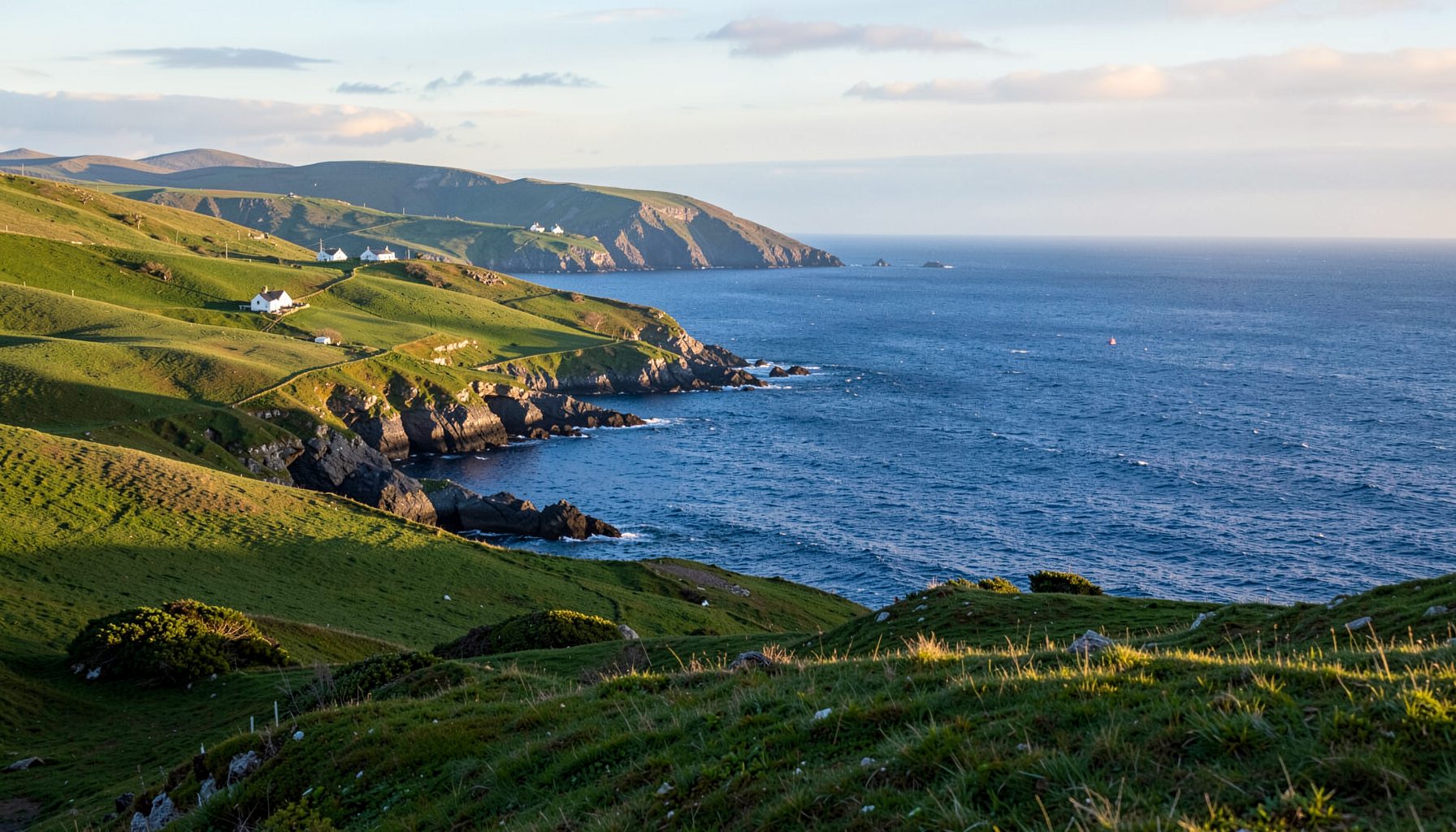
Family days out along the Skellig Coast
The Skellig Coast offers families a refreshing mix of beaches, gardens, historic sites and small villages between Kells and Castlecove. Days here are shaped by Atlantic weather and local rhythm rather than fixed entertainment schedules, which makes the region especially rewarding for families who enjoy exploring at their own pace.
For Australian visitors, the landscape may feel both familiar and very different. There are beaches, rock pools and coastal walks, yet the water is colder, the daylight changes quickly and distances can look shorter on a map than they feel on narrow rural roads. A good family outing usually combines one main attraction with time for a café stop, a playground, a picnic or an unplanned view.
The most enjoyable itinerary leaves room for weather changes. Pack waterproof layers, sturdy shoes and sun protection, even on a cool day. Australian families used to driving between Sydney suburbs, Melbourne’s coastal towns or Brisbane attractions should allow extra time for winding roads, sheep, cyclists and photo stops.
| Place | Best suited to | Ideal visit length | Practical highlight |
|---|---|---|---|
| Kells Bay House and Gardens | Gardens, younger children, relaxed walking | 2–3 hours | Tropical planting and family-friendly paths |
| Cahersiveen | History, food and a town base | Half day | Heritage sites, cafés and local services |
| Waterville | Beach time and an easy village stroll | Half to full day | Promenade, shoreline and family dining |
| Derrynane | Sand, swimming and outdoor play | Half to full day | Sheltered beach and historic estate |
| Ballinskelligs | Castle ruins, beach and local culture | Half day | Coastal scenery with several short stops |
| Skellig Michael viewpoint or boat outing | Older children and dramatic scenery | Half to full day | Plan around weather, tides and boat availability |
Kells Bay for gardens and gentle exploration
Kells Bay House and Gardens is one of the strongest choices for a family day that does not depend on a long hike. The gardens include unusual plants, bridges, water features and woodland paths, giving children plenty to notice while adults enjoy the setting. The atmosphere is slower and more spacious than a conventional attraction.
Younger children can enjoy the sense of discovery, while older children may be interested in the large tree ferns, exotic planting and garden design. Comfortable shoes are useful because paths can be uneven or damp. A visit works well in the morning before heading towards Cahersiveen or the beaches further west.
Kells itself is a useful stop for families who want a quieter coastal base. The surrounding shoreline and views across Dingle Bay make a short drive feel worthwhile, especially when the weather is bright. Bring snacks and water, as rural opening hours can be more limited than Australian visitors expect.
Cahersiveen for history and everyday services
Cahersiveen is a practical and cultural centre on the Iveragh Peninsula. It is a good place to break up a driving day because families can combine lunch, local shopping and heritage visits without moving the car repeatedly. The town also provides useful services if you need groceries, fuel or a change of clothes after a wet morning.
Begin with the Old Barracks, an unusual stone building with exhibitions connected to the area’s history. Nearby, the ruins of Ballycarbery Castle offer a memorable photo stop, although the castle itself should be viewed from a safe public area rather than treated as a climbable playground. Children often respond well when the visit is framed as a quick exploration rather than a lengthy historical lecture.
Cahersiveen is also close to coastal viewpoints and short walks. Families travelling with prams should check surfaces before setting out, while children who can manage uneven ground will find plenty of small landmarks, walls and shoreline details to investigate. The town is a sensible base for a flexible day when the forecast is uncertain.
Waterville for beach time and a village stroll
Waterville suits families who want a recognisable seaside outing with several choices close together. The broad shoreline, promenade and village facilities allow parents to adapt the day according to energy levels. Children can play on the beach, look for interesting stones or enjoy a short walk while adults take in views across the Atlantic.
The sea is much colder than most Australian families will be used to, including visitors from Perth, Sydney or the Gold Coast. Treat swimming as a conditions-based activity, not an automatic part of the itinerary. Check local advice, watch children closely and avoid entering the water when waves, currents or visibility are unsuitable. A spare towel and dry clothes are worth carrying even for a brief shoreline visit.
Waterville’s Charlie Chaplin statue adds a light cultural detail to a family stroll. Chaplin spent time in the village, and the connection gives children an easy story to remember. Cafés and restaurants make it possible to have an early meal before the return drive, which is useful when younger children are tired after time outdoors.
Derrynane for sand, history and open space
Derrynane is one of the most complete family outings on the coast. Derrynane Beach offers a beautiful setting for sand play and paddling when conditions are calm, while Derrynane National Historic Park provides space for walking and exploring. The combination means the day can remain enjoyable even if the weather changes or children lose interest in one activity.
Derrynane House, associated with Daniel O’Connell, adds historical context to the landscape. Families do not need to spend hours inside to appreciate the estate: gardens, paths and views can make the visit accessible for different ages. Older children may enjoy learning how the house and surrounding land connect to Irish political history.
Check tide times before planning a beach picnic, particularly if you want to explore quieter stretches of sand. Pack lunch, layers and something to sit on, but do not rely entirely on a barbecue or café being available at the time you arrive. In Ireland, public facilities and food outlets can be seasonal, so a self-contained day is often the most comfortable option.
Ballinskelligs for coastal heritage
Ballinskelligs brings together a wide beach, the remains of Ballinskelligs Castle and the atmospheric ruins of Ballinskelligs Abbey. Each stop is relatively easy to keep short, making the area useful for families who prefer several small experiences rather than a single formal attraction.
The beach is a good place for a walk and a run around, but Atlantic conditions can change quickly. Stay clear of unstable masonry around historic ruins and explain to children that old walls are fragile heritage structures, not climbing frames. The setting is particularly striking in changing weather, when clouds and light move across the Skelligs coastline.
A visit here can also connect with local food and craft experiences, including the broader Skelligs Chocolate area when seasonal opening times permit. Check current hours before travelling, as small businesses may operate on a different schedule from major Australian attractions. A short stop at a local producer can give children a practical link between the landscape, farming and regional enterprise.
Skellig views and boat trips for older children
Skellig Michael is the region’s best-known landmark, a UNESCO World Heritage Site and a filming location associated with Star Wars. It is an extraordinary sight, but a landing trip is not the simplest family activity. Boat access depends heavily on sea conditions, places are limited and the landing involves steep steps and exposed terrain. Very young children may find the journey demanding.
For many families, a boat trip that circles the islands or a mainland viewpoint is a better choice. The experience still communicates the scale and isolation of the Skelligs without committing everyone to a challenging landing. Ask operators about minimum ages, cancellation policies, life jackets and the likely duration on the water before booking.
Weather planning matters more here than at almost any other attraction on the coast. Keep a land-based alternative ready, such as Derrynane, Ballinskelligs or a heritage visit in Cahersiveen. Australian visitors should also remember that Irish summer temperatures may feel mild, but wind exposure on a boat can be intense.
Practical choices for a smoother family day
Australian families should account for several everyday differences when planning. Irish roads use the left side, which will feel familiar to drivers from Australia, but rural lanes can be considerably narrower than roads around Melbourne or Brisbane. Contactless card payments are common, although a small amount of euro is useful for minor purchases, parking or places with limited connectivity. Consumer prices are generally displayed with Irish VAT included, so compare the final advertised price rather than mentally adding Australian GST.
Ireland’s child-restraint rules require children under 150 centimetres tall or 36 kilograms to use an appropriate restraint. Arrange the correct seat with a rental company before collecting the car, and check that it is properly fitted. Families should also follow local beach, park and heritage signage, keep dogs under control where required and avoid removing stones, plants or archaeological material.
Australian school holidays do not always match Irish school breaks. July and August can be busy for international visitors, while shoulder seasons may provide more space but fewer open attractions. Sunscreen, hats and water remain worthwhile because Atlantic glare can cause sunburn even when the air feels cool.
- Choose one major attraction and one flexible outdoor stop rather than filling every hour.
- Check opening times, tide information and boat departures on the same morning.
- Carry waterproof layers, spare socks, snacks and a reusable water bottle.
- Book child seats and Skellig boat trips well ahead during Australian school holidays.
- Use towns such as Cahersiveen and Waterville for fuel, food and last-minute supplies.
- Keep children away from cliff edges, unstable ruins and rough water.
- Leave time for local cafés, viewpoints and short unscheduled walks.
A family day on the Skellig Coast is at its best when the itinerary balances scenery with comfort. Choose Kells Bay for gardens, Derrynane for beach and history, Waterville for a classic seaside stop, or Ballinskelligs for a compact heritage loop. Families with older children can add a Skellig boat experience when conditions and availability allow.
Use the Skellig Coast as a guide to local villages, community activities, heritage sites and outdoor programmes, then build a day that suits your family’s pace. Check each attraction before setting out, respect the coastal environment and let the weather shape the final plan.