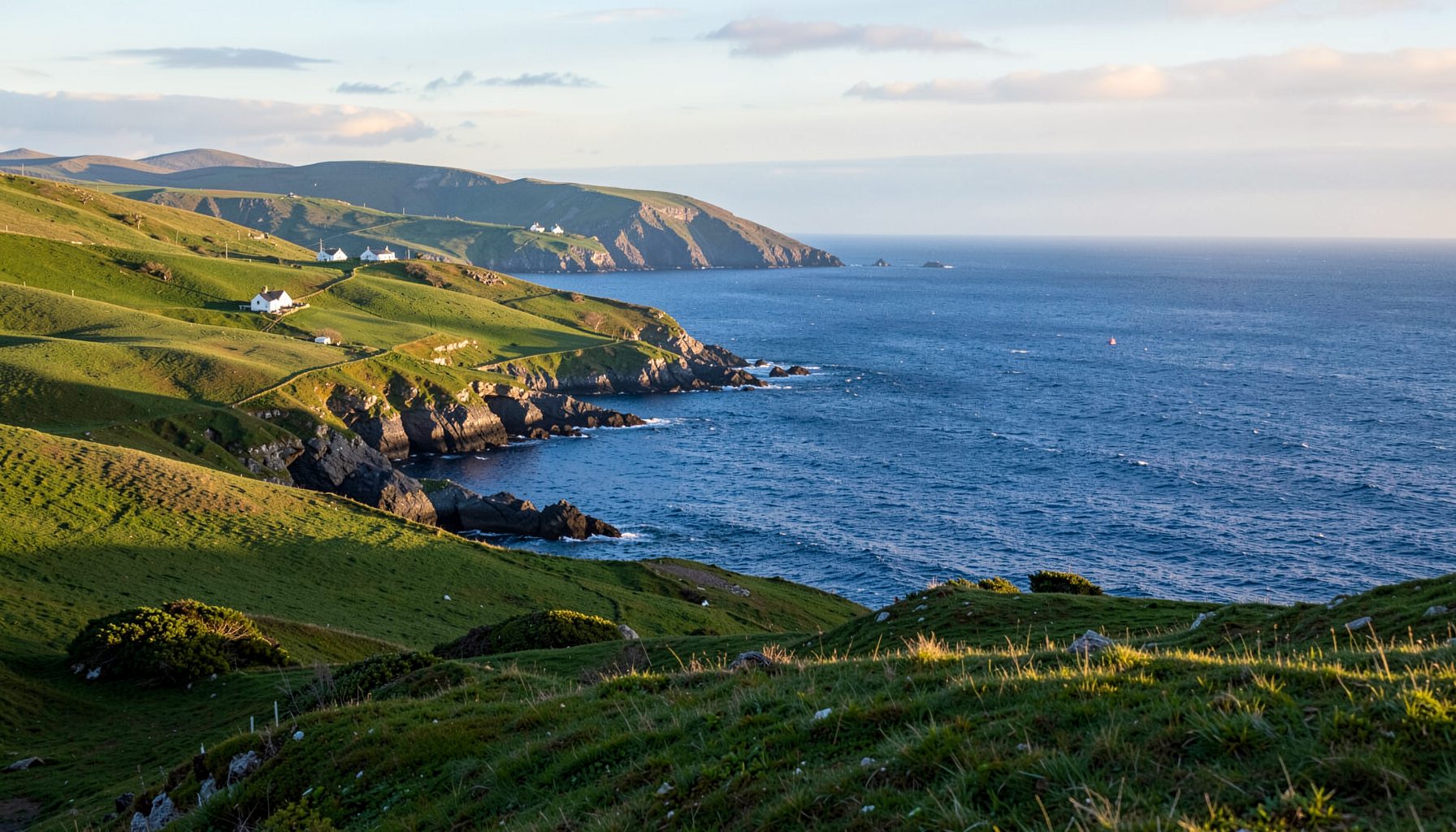
Family-friendly beaches for a day out near Cahirciveen
Cahirciveen is an excellent base for a relaxed beach day on the Skellig Coast. Within a scenic drive are sheltered coves, wide golden sands, rock pools, historic ruins and stretches of coastline where children can run freely. The beaches vary greatly in character, so choosing the right one depends on the weather, the tide, the ages of your children and how important facilities are for your family.
Visitors travelling from Australia will notice a different beach culture here. The Atlantic water is chilly even in summer, beaches may have limited lifeguard coverage, and a café or public toilet is not guaranteed at every stop. A little planning makes the difference between a simple coastal adventure and a long search for snacks, dry clothes or somewhere suitable for a young child.
Derrynane beach for a full family day
Derrynane Beach is one of the strongest choices for families near Cahirciveen. Its broad sweep of pale sand, relatively sheltered position and shallow areas make it suitable for paddling, sandcastles and easy shoreline walks. The beach sits within the Derrynane National Historic Park, giving families plenty of space to explore when children have had enough of the water.
The setting is especially attractive for a mixed-age group. Younger children can play near the sand while older children investigate rock pools or walk towards Abbey Island when conditions allow. The ruins of Derrynane Abbey add interest without requiring a long hike, and the surrounding landscape feels distinctly connected to Ireland’s history.
Facilities are generally better here than at smaller coastal coves, although opening hours and availability can vary by season. Bring towels, spare clothes, drinking water and food even when visiting in summer. An Australian family accustomed to the reliable facilities around Sydney’s northern beaches or Melbourne’s bays should expect a more rural arrangement.
Ballinskelligs beach and its historic shoreline
Ballinskelligs Beach offers a long, sandy shoreline with an appealing combination of open space and heritage. The remains of Ballinskelligs Castle stand close to the coast, creating a memorable backdrop for photographs and a natural talking point for children. The beach is near Ballinskelligs village, so it is easier to combine a swim or paddle with refreshments than at some of the more isolated bays.
The beach can work well for families who want a straightforward coastal outing without committing to a full day in a national park. Children have room to play, and the castle gives them something to explore beyond the sand. Always keep them away from unstable walls and follow any local signs around the ruins.
Atlantic conditions can change quickly. A calm-looking beach may become more energetic with wind or a rising tide, so choose the safest area rather than assuming the entire shoreline has the same conditions. Look for local information about seasonal lifeguard patrols, and never treat the presence of other swimmers as a guarantee of safety.
White Strand and the quieter coves
White Strand near Caherdaniel is a compact, attractive beach that suits families looking for a calmer alternative to a large, exposed strand. The pale sand and clear water are inviting on a sunny day, while the surrounding hills give the beach a sheltered, intimate feel. It is a good option for a shorter visit or for families combining beach time with a drive along the coast.
Because the beach is smaller, it can feel busy during fine weather, especially at weekends and during Irish school holidays. Arriving earlier gives children more room and makes parking less stressful. Pack everything you need for the visit, as nearby services are limited compared with a major Australian beach precinct.
Reenroe Beach, between Caherdaniel and Waterville, is another worthwhile option when your family prefers a longer, quieter stretch of sand. It is more exposed, so wind direction matters. On a settled day it can be ideal for walking, kite flying and beach games; in strong weather, it is better treated as a scenic stop than a swimming beach.
Rossbeigh for wide-open space
Rossbeigh Strand is farther from Cahirciveen, near Glenbeigh, but it rewards families who want an expansive beach with room to spread out. The long strand looks across Dingle Bay towards the mountains and offers an impressive sense of space. Children can run, collect shells and build large sand structures without feeling hemmed in by rocks or steep headlands.
The journey is part of the experience, with fine views across the Iveragh Peninsula and the bay. Allow extra time for the drive, especially if travelling with toddlers or stopping for photographs. Rossbeigh is best suited to a family that enjoys a full outing rather than a quick dip close to town.
This is an exposed Atlantic beach, so check the forecast and tide before leaving. Keep children well back from the water’s edge if the surf is strong, and take care around any channels or fast-moving water. Australian visitors may be used to reading surf conditions at Bondi or the Gold Coast; here, local advice and beach signage are equally important, particularly when there is no active patrol.
St Finan’s Bay for older children
St Finan’s Bay, close to the Skelligs area, is one of the most scenic beaches on this part of the coast. It has a dramatic setting, views towards the Skellig islands and a quieter atmosphere than the better-known family beaches. Older children and teenagers may enjoy the sense of discovery, especially when the weather is clear and the coastline is at its most striking.
This beach requires more self-sufficiency. It is not the place to rely on cafés, shops, changing rooms or extensive safety infrastructure. Bring food, water, warm layers and a fully charged phone, while remembering that mobile reception can be inconsistent in rural coastal areas.
The beach’s beauty should not obscure the power of the Atlantic. Swimming is only appropriate when conditions are clearly safe, and children should remain close to an adult at all times. For many families, St Finan’s Bay works best as a picnic, photography and shoreline-walking stop rather than the main swimming destination.
Timing, tides and practical safety
Tides shape the experience on every beach around Cahirciveen. A sandy area that is spacious at low tide can become narrow later in the day, while rock pools and access routes may change as the water rises. Check tide information before setting out, and avoid letting children explore isolated rocks once the incoming tide begins to cover the route back.
Irish summer weather can shift from sunshine to showers within minutes. Pack a waterproof jacket, warm jumper, sun protection and spare clothing for every child. The sea is much colder than the water many Australians associate with summer swimming, including beaches around Brisbane, Perth or Adelaide. A wetsuit can make paddling more comfortable, but it does not replace supervision.
Use marked parking areas, respect private land and take rubbish home when bins are full or unavailable. If a beach has seasonal lifeguards, follow their instructions and remain within the patrolled area. Outside patrol hours, families should be even more conservative about swimming, inflatables and entering the water.
Making the outing easy for children
A successful beach day does not need an elaborate itinerary. Choose one main beach, allow time for slow exploration and keep a second nearby option in reserve if the wind changes. Derrynane is well suited to a longer family outing, Ballinskelligs works nicely with a village stop, and White Strand can fit into a broader drive through Caherdaniel and the coast.
Pack a simple picnic with fruit, sandwiches, water and something warm to drink. Local shops and cafés can be useful, but rural opening hours are not always predictable, particularly outside the main summer season. Families travelling during Australian school holidays should also remember that those dates do not always match Irish school breaks, so check local opening times rather than assuming every attraction will be operating.
For younger children, bring a lightweight towel or picnic mat, a change of shoes and a small bag for wet clothing. Buckets and spades are easy to find in larger towns, but bringing familiar beach toys can save time. A short walk, a visit to a ruined abbey or a stop for local ice cream can give the day a pleasant rhythm without asking children to swim for hours.
The Skellig Coast offers beaches that suit different kinds of family days, from the accessible sands of Derrynane and Ballinskelligs to the open scale of Rossbeigh and the wild beauty of St Finan’s Bay. Check the weather, tide and local safety information before leaving Cahirciveen, then choose the shoreline that matches your family’s pace. Explore the beaches, villages and heritage places featured by Skellig Coast to plan a rewarding day beside Ireland’s Atlantic edge.