A Guide To The Winter Walks Of The Skellig Coast
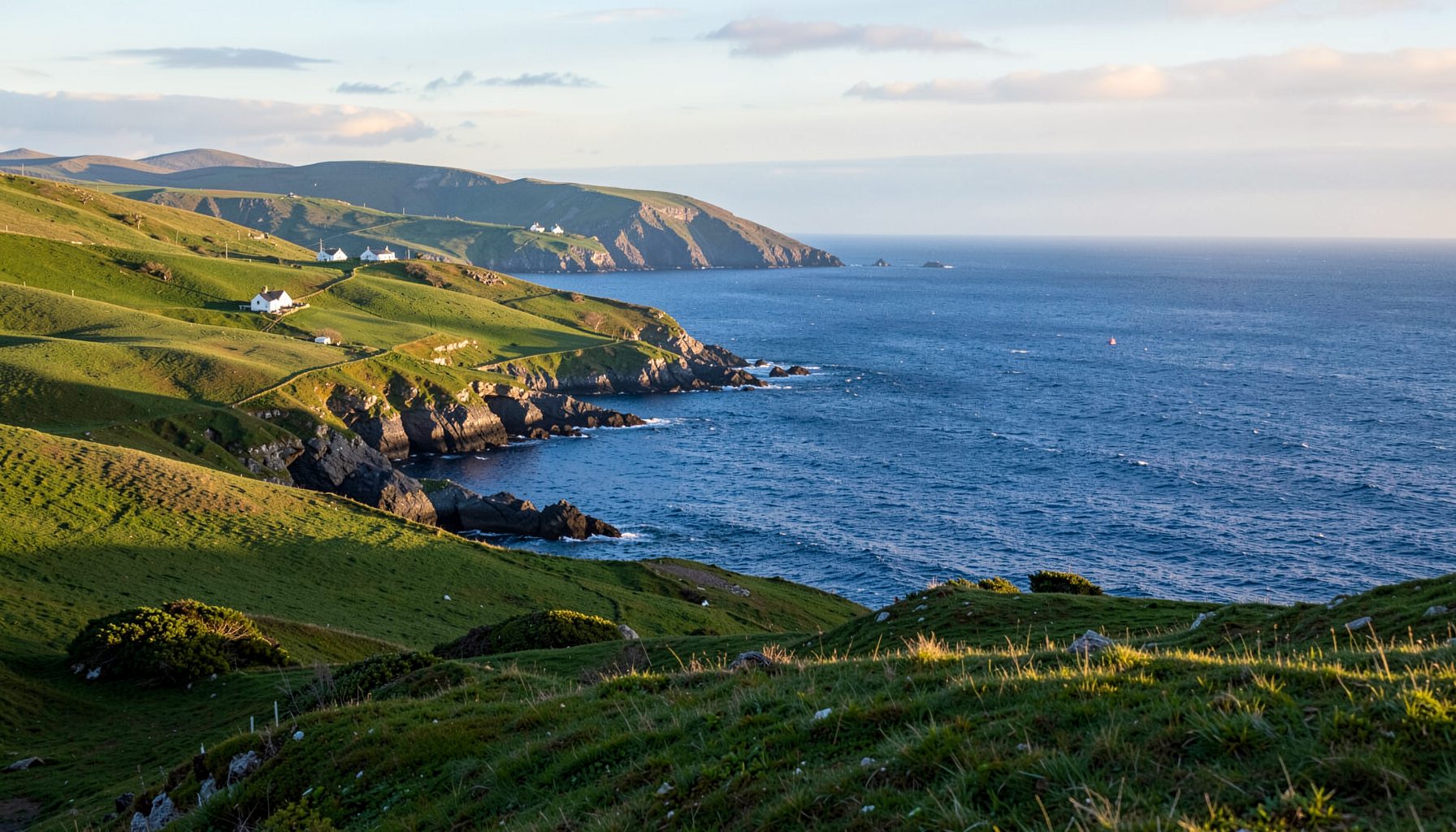
Winter changes the Skellig Coast into a quieter, sharper-edged version of itself. The roads are calmer, the beaches often nearly empty, and the Atlantic light can shift from silver to gold within minutes. For walkers, this season brings a strong sense of space across the Iveragh Peninsula, from the shore near Kells to the coves and headlands around Castlecove.
A winter walk here is rarely just a matter of following a path. Wind direction, daylight, ground conditions, tide times and the availability of open facilities all influence the experience. A short coastal stroll may be the best choice on a wet afternoon, while a longer section of the Kerry Way can be rewarding during a settled spell.
The most enjoyable outings combine sensible preparation with curiosity. Look for changing views of Valentia Island, the Skellig Islands, Kenmare Bay and the MacGillycuddy’s Reeks, while leaving time for villages, heritage sites and local places that give each walk its character.
Reading The Coast In Winter
The coastline between Kells and Castlecove offers several kinds of walking terrain. There are sandy beaches, rocky shorelines, low hills, forest tracks, open mountain ground and quiet lanes connecting small settlements. This variety makes it possible to choose a route that matches the weather rather than committing to one demanding plan.
In winter, the coast is often at its most atmospheric. Rain can darken the cliffs and bring streams flowing across the hillsides, while clear weather reveals distant islands and snow-tipped mountains. Sunrise and sunset arrive at convenient times for shorter excursions, though the reduced daylight means that long routes require careful timing.
Footing deserves particular attention. Grass can be saturated, stone surfaces slippery and unpaved lanes deeply rutted after prolonged rain. Waterproof boots with a firm sole are useful, and walking poles can improve balance on muddy slopes or uneven descents. Even on a familiar route, expect progress to be slower than it would be in summer.
Routes From Kells To Waterville
Kells and Glenbeigh provide access to a broad landscape of beaches, dunes and upland views. A beach walk near Kells can be adapted easily: follow the firm shoreline for a short distance, explore when the tide permits, and return before conditions become uncomfortable. Avoid walking close beneath unstable dunes or cliffs after heavy rain.
The Kerry Way also passes through this wider region, giving experienced walkers the option of longer point-to-point journeys. Winter day walks are usually easier when a vehicle or local transport has been arranged at both ends. Check maps closely, as a route that looks modest on paper may include exposed stretches with little shelter.
Near Waterville, coastal roads, lanes and sections of the Kerry Way create several possibilities for combining walking with views across Ballinskelligs Bay. The village makes a useful base for a shorter outing, especially when strong winds make a high ridge unsuitable. A low-level route can still provide excellent scenery, with the sea, islands and mountain backdrop changing constantly in the winter light.
Around Caherdaniel And Castlecove
Caherdaniel is a particularly rich area for winter walking because natural scenery and heritage sit close together. Derrynane National Historic Park includes woodland, shoreline, gardens and historic associations with Daniel O’Connell. Paths here can offer shelter from Atlantic winds, making the park a practical choice when exposed headlands are unpleasant.
The shore around Derrynane should be approached with care in rough weather. Waves can reach farther across rocks and beaches than expected, and incoming tides may cut off attractive-looking sections. Allow plenty of space from the water’s edge, especially when walking with children or a dog, and keep dogs under control around wildlife and livestock.
Around Castlecove, quiet roads and coastal viewpoints provide a slower kind of walking experience. Staigue Fort is one of the region’s major heritage landmarks, though the approach and surrounding ground may be wet in winter. Combine a visit with a short local walk rather than treating every outing as a long hike; the Skellig Coast rewards close observation as much as distance.
Comparing Winter Walking Options
The best route depends on exposure, surface conditions, daylight and the amount of time available. A walk that is ideal during a calm, bright morning may be unsuitable when rain is driving in from the Atlantic. Use local knowledge, current weather information and visible conditions on the day before setting out.
| Walking option | Typical character | Best in | Main winter consideration |
|---|---|---|---|
| Beach and shoreline stroll | Open views, easy navigation, flexible distance | Calm or moderately windy weather | Tides, waves and soft sand |
| Woodland and heritage paths | Shelter, history and varied surfaces | Wet or breezy days | Mud, slippery roots and closed facilities |
| Coastal lane walk | Gentle gradients and village connections | Mixed weather | Traffic, poor visibility and narrow roads |
| Kerry Way section | Longer views and a stronger sense of journey | Clear, settled weather | Limited daylight and exposed ground |
| Headland or upland route | Wide Atlantic and mountain panoramas | Dry, calm conditions | Wind chill, cloud and difficult footing |
A short route should never be dismissed as less worthwhile. Winter often makes a two-hour walk the more rewarding decision, leaving enough energy for a warm drink, a heritage visit or an unhurried look across the bay. Longer walks are best reserved for walkers who understand the terrain and have a clear plan for returning before dark.
Weather, Access And Safety
Forecasts for the Iveragh Peninsula can differ significantly between the coast and the hills. Check wind speed, rainfall, visibility and sunset time, paying attention to gusts rather than relying only on the average wind figure. A mild temperature can feel far colder on an exposed headland, particularly when clothing becomes damp.
Carry a charged phone, an offline map and a small power bank. Mobile coverage may vary along the coast, so do not depend entirely on live navigation. Tell someone where you are going and when you expect to return, especially for a longer route or a walk with limited phone signal.
Access arrangements may change during the quieter season. Car parks, toilets, cafés, visitor attractions and heritage sites can have reduced opening hours or temporary closures. The Skellig Coast information hub provides useful regional context, while local notices and community updates can help confirm what is available before travelling.
If conditions deteriorate, turn back early. Strong winds, rising water, thick fog and persistent rain can transform a straightforward path into a serious undertaking. Stay on marked routes where possible, close gates, avoid disturbing farm animals and leave no litter behind.
Building A Full Winter Day
A walking day on the Skellig Coast can connect landscape, community and history without requiring a packed itinerary. Begin with a morning stroll near the shore, pause in a village, and continue to a heritage site or sheltered woodland path in the afternoon. This approach gives flexibility when weather changes and supports local businesses during a quieter season.
The region’s history is especially vivid in winter. Ancient stone forts, monastic associations, old lanes and coastal settlements appear with fewer distractions from crowds. Skellig Michael remains an important part of the wider cultural landscape and a UNESCO World Heritage Site, as well as a filming location recognised by Star Wars audiences. Access to the island is seasonal and weather-dependent, so enjoy its presence from mainland viewpoints when a boat journey is unavailable.
Warm clothing and a change of footwear can make the difference between extending the day and heading home early. Keep wet boots and muddy layers separate from dry clothes, and allow time for a meal or hot drink where services are open. A slower pace suits the season and gives walkers more opportunity to notice birds, stonework, tide lines and shifting cloud.
Essentials For A Comfortable Walk
Preparation should be simple but deliberate. Pack for a change in conditions, even when the morning begins bright, and choose a route with clear alternatives. Winter walking is more enjoyable when practical decisions are made before reaching the trailhead.
- Wear waterproof layers, warm socks and sturdy footwear with reliable grip.
- Bring a paper map or downloaded route, a charged phone and a small first-aid kit.
- Check tide times before beach or rocky-shore walks and keep well back from breaking waves.
- Carry food, water and an extra warm layer, as shops and cafés may have seasonal hours.
- Tell a contact your route and return time, then update them when you finish.
Respect for the landscape is part of good preparation. Keep dogs close to livestock, use gates carefully and avoid crossing fragile ground when it is saturated. Take all waste home, including food scraps, and consider using established paths to reduce erosion on heavily visited sections.
The winter coast rewards walkers who remain adaptable. Choose a sheltered woodland path when the forecast is rough, save a panoramic headland for a clear day, and use village walks when daylight is short. These choices make space for discovery without turning every outing into a test of endurance.
Plan a winter day along the Skellig Coast with a route suited to the forecast, a realistic return time and room for local heritage and community life. Step out prepared, walk thoughtfully, and let the season reveal the quieter character of this remarkable Atlantic landscape.