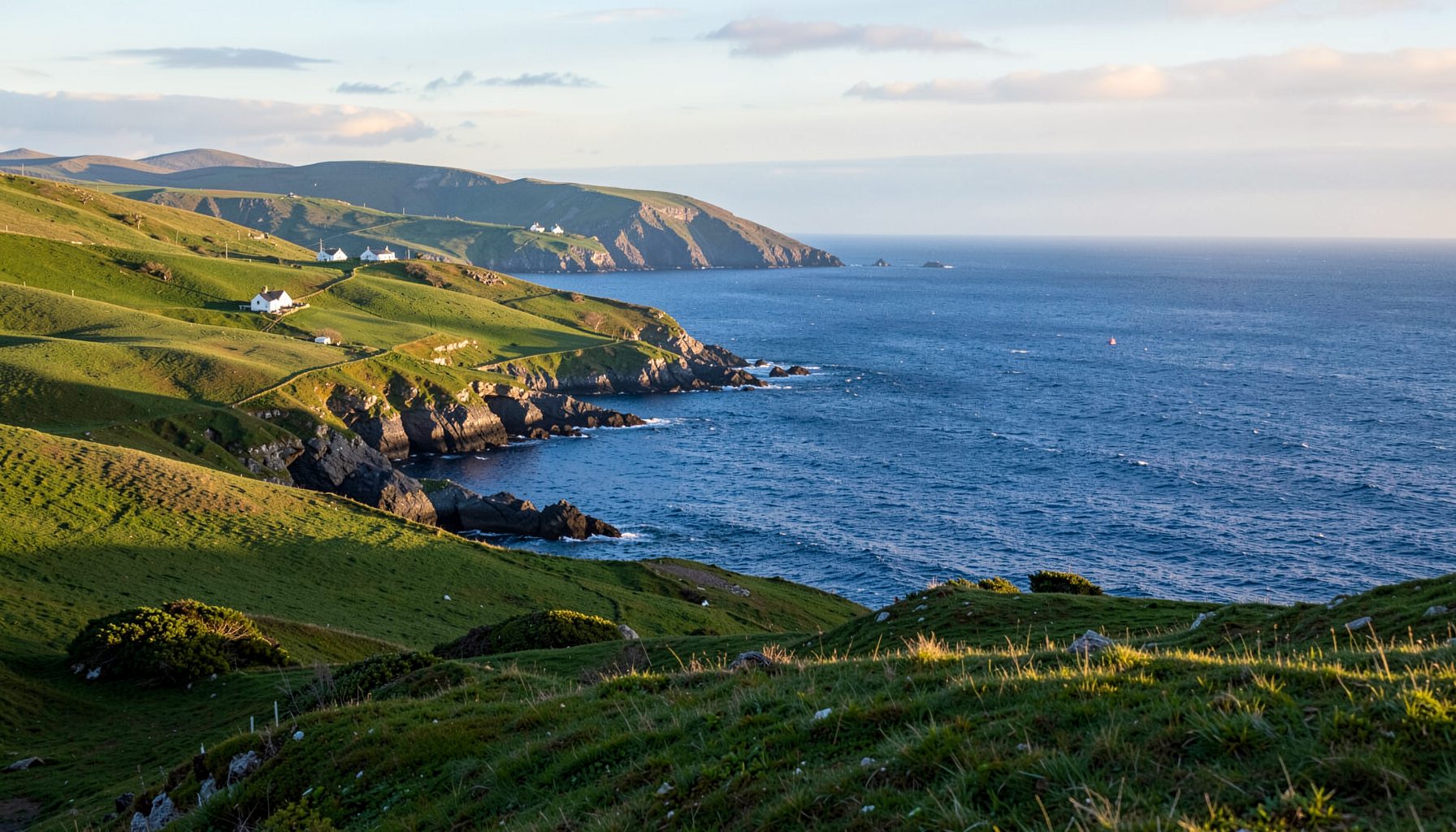
Snorkelling and Freediving in the Quiet Coves of the Skellig Coast
Stretching along the Iveragh Peninsula in County Kerry, the Skellig Coast runs from Kells down to Castlecove, with a string of sheltered coves tucked into its rocky edges. These pockets of still water lie in the shadow of Skellig Michael, a UNESCO World Heritage Site famous for its early Christian monastery and its cameo in Star Wars. For travellers used to the warm, clear shallows of places like Rottnest Island or the Ningaloo Reef, the snorkelling and freediving here offers a very different sort of fix — colder water, Atlantic swell, and dramatic granite walls dropping into deep green channels.
Most people arrive at the Skellig Coast already thinking about the boat trips out to the islands, but the coves along the mainland are quietly rewarding in their own right. They reward a slower approach, a willingness to wear a thicker wetsuit than you might pack for a day at Bondi, and an eye for the small inlets that locals have been slipping into for generations. This guide walks through the spots that suit casual snorkellers, the channels that pull in more experienced freedivers, and the practical details that make the difference when you finally slip below the surface.
Why the Skellig Coast Draws Underwater Explorers
The Iveragh Peninsula faces the full force of the Atlantic, which sounds intimidating but actually works in favour of anyone with mask and fins. The same swell that churns the open ocean filters into the coves as clean, oxygen-rich water, and the granite and slate formations create sudden depth changes just a short swim from the shore. Visibility on a calm summer morning can easily stretch fifteen to twenty metres, putting it on par with some of the better-known temperate sites that Australians travel to Wilson's Promontory or Tasmania's east coast to find.
Another draw is the mix of ecosystems packed into a small area. Kelp sways in the shallower sections, blennies and wrasse dart between the rocks, and small lobsters tuck themselves into crevices. Slightly further out, the seabed drops away and the light takes on that deep blue-green quality that makes freediving so addictive. Because the Skellig Coast is also part of a wider cultural landscape — with ancient stone forts like Staigue nearby, and a thriving Gaeltacht community keeping the Irish language alive — a trip here never feels like just one thing.
The surrounding villages, from Cahersiveen down to Portmagee, are small and walkable, with pubs, coffee stops and a handful of places to grab a warm bowl of soup after a cold dive. Travellers often base themselves in one village for a few nights and work their way along the coast by car, stopping at two or three coves over the course of a long weekend. That format suits the snorkelling well, because conditions shift through the day and you usually want a backup spot in case the morning's chosen cove turns out to be too exposed.
Calm Coves for First-time Snorkellers
For anyone new to snorkelling, or anyone whose last dip was in the bath-warm shallows of Cairns, the Skellig Coast has several protected inlets where the water settles quickly and the entry points are gentle. These spots tend to face south or west, tucked behind headlands that block the prevailing wind. They suit anyone who wants to float on the surface, peer down at the rocks, and get used to breathing through a tube in water that hovers around thirteen to sixteen degrees in summer.
A few sheltered spots stand out:
- Derrynane Cove, a sandy-bottomed bay near the historic home of Daniel O'Connell, with easy entry and plenty of small fish close to shore
- Kells Bay, where the ruined castle looks down over a sheltered rocky inlet that fills with light on still afternoons
- White Strand near Caherdaniel, a small beach cove that works well when the tide is high and the Atlantic is in a calm mood
Each of these is a short drive from the main road and needs only basic gear. A 5mm wetsuit is wise even in July and August, especially if you are used to swimming year-round at Manly or Byron Bay without thinking twice about the temperature. Hoods and gloves are worth packing too, since the chill creeps in fast once your head goes under and you lose that bit of warmth you were getting from the air. Australians who usually snorkel in board shorts and a rashie should treat the Kerry water with respect and budget for proper thermal protection from the first session.
Deeper Channels for Freediving Enthusiasts
Freedivers tend to chase the spots where the seabed drops away fast, and the Skellig Coast has several of those within a short swim from the beaches. Bolus Head, for instance, has rocky gullies that fall away into darker water within a few metres of the entry point, and it draws local freedivers who know the ledges and the small caves tucked under the cliffs. The water here is colder and darker than the surface suggests, which is part of the appeal for anyone who has done a course and wants to put depth training into practice.
Further west, the area around Valentia Island offers sheltered entry points with quick access to deeper water. Knightstown has a small pontoon that local swimmers use as a launch when conditions are right, and the channel between Valentia and the mainland holds plenty of structure for anyone who wants to practise their duck dives. It is not the tropical blue of the Coral Sea, but it has a brooding, Atlantic character that experienced divers tend to fall for. The granite shelves here hold colour even in winter, with soft corals, jewel anemones and the occasional small conger eel peering out from a hole.
For divers coming from Australia, the biggest adjustment is usually the rhythm of the dive. The water is colder, the surface intervals feel sharper, and the urge to push a depth a little deeper needs to be balanced against the chill. Most local freedivers keep their dives short, breathe up properly between efforts, and stay well within their certified limits. Treating the Skellig the same way you would treat an unproven new site at home is the safest approach.
Reading the Water: tides, visibility and safety
The coves here look very different at high tide than they do six hours later, and that matters for anyone planning to get in the water. A low spring tide exposes urchins, kelp holdfasts and slippery rock, which makes entries harder and exits slower. A rising tide opens up small sandy pockets that are perfect for a relaxed surface snorkel, but it can also push you along the coast faster than expected if a swell sneaks around the headland. Most locals plan their sessions around the slack tide window, when the water is at its calmest and the entry points are at their most forgiving.
Visibility on the Skellig Coast is shaped as much by rainfall as by swell. After a wet week, the run-off from the hills can turn the surface a tea-brown colour near river mouths, while the more exposed points stay surprisingly clear. Local swimmers generally check conditions the morning of, looking for a slight offshore breeze, a low swell forecast, and the kind of mirror-glass surface that promises a calm descent. Australians who learned to read the surf at Noosa or Margaret River will find the same instincts useful here, though the swell patterns around Kerry behave differently from anything on the southern Australian coastline.
Other practicalities worth sorting before you go: tell someone your plan for the day, including which cove and what time you expect to be back; carry a small whistle on your weight belt or rash vest; and keep an eye on weather windows, because conditions can flip from calm to choppy in the space of an arvo. The coast is not a place for solo adventuring in winter, and even in summer a buddy is the smartest bit of safety gear you can pack.
Marine Life You Might Encounter
The coves hold more life than they first suggest, and a slow drift along a rocky edge can turn up dozens of species. The most rewarding spots tend to be where kelp meets bare rock, because that is where the small hunters and the cleaners gather.
A few characters to look out for during a session:
- Cuckoo wrasse, which flash bright blue and orange as they dart between boulders
- Sea hares, soft-bodied creatures the size of a fist that move slowly over the kelp
- Ballan wrasse, common around the deeper ledges, often curious enough to follow snorkellers for a while
- Occasional seals, especially around the more exposed points, where they pop up to watch the strange two-legged visitors
Patience matters more than any piece of gear, and a slow, quiet entry always beats crashing in off the rocks. If you want a fuller picture of what the coast is doing week to week, including conditions reports and community updates, the regional updates page is worth checking before you head out.
Drop in at low tide first to scope the entry points, pack a thicker wetsuit than you think you will need, and give yourself at least two sessions on the coast before deciding what you think of it. The Skellig Coast rewards return visits, and the coves often reveal something new on the second or third swim, especially once you start to recognise the regulars among the wrasse and the small crabs along the shallows. Bring a thermos for the brekkie before you head out, leave the car parked somewhere sensible, and let the coves do the talking once you are in the water.