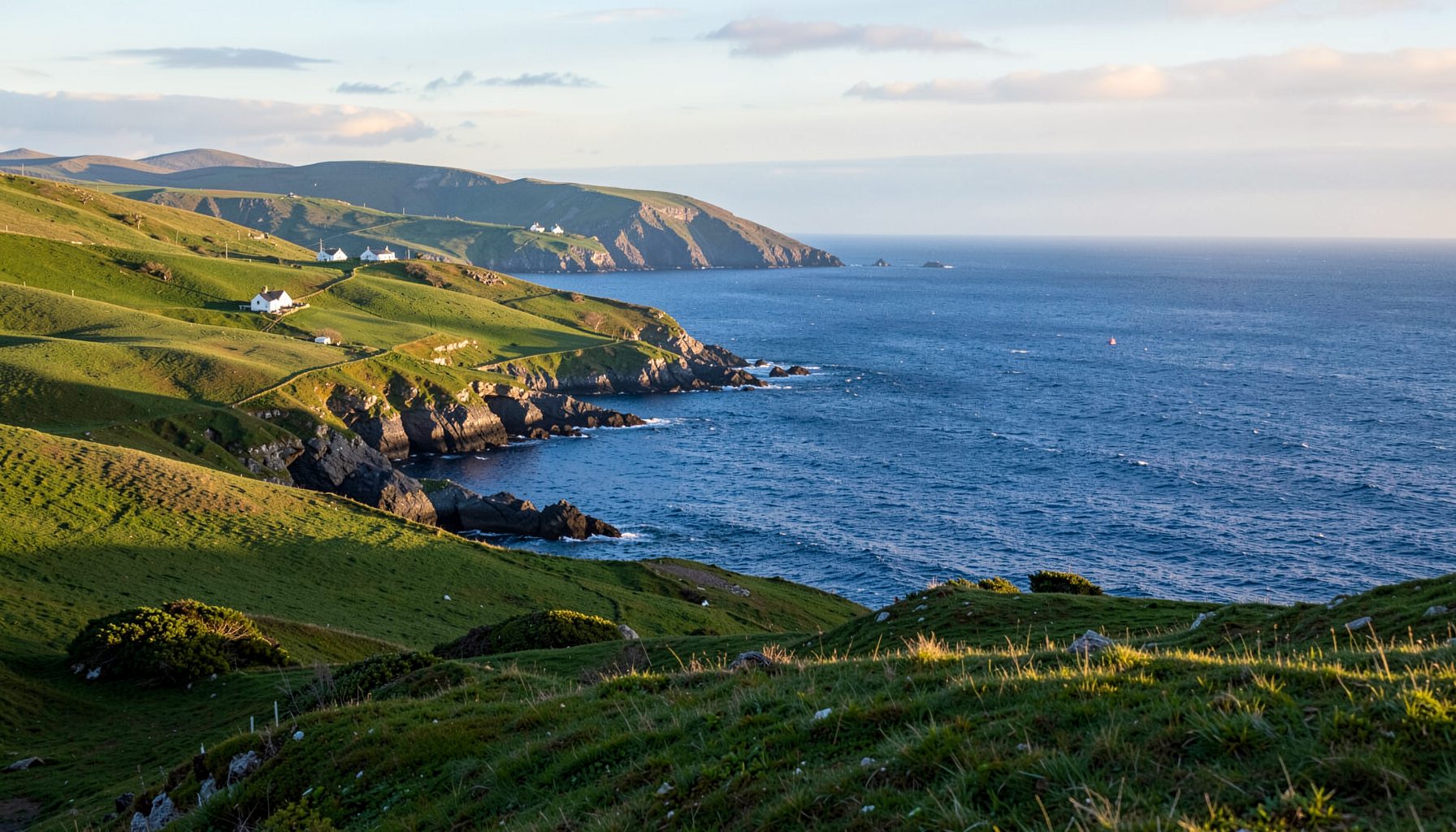
A Guide to Shellfish Farms and Seafood Shacks Along the Skellig Coast
The Skellig Coast offers a close-up view of how Atlantic seafood reaches the plate. From Kells to Castlecove, the shoreline passes sheltered coves, working harbours, tidal inlets and villages where fishing remains part of everyday life. Shellfish farms sit within this coastal setting, while small seafood counters and informal shacks provide simple ways to taste the region.
For visitors from Australia, the experience may feel familiar in spirit but different in detail. Ireland’s Atlantic waters, cool climate and long daylight hours in summer shape the local harvest. An oyster stop here is less about a large commercial precinct and more about following the coast, checking opening times and allowing a little room for weather, tides and seasonal trade.
Reading The Coast Through Shellfish
The Iveragh Peninsula is surrounded by productive marine habitats. Clean, nutrient-rich seawater supports oysters, mussels and other shellfish, although the exact species available depends on the bay, the farm and the time of year. Kenmare Bay, which reaches towards the southern edge of the Skellig Coast, is especially associated with oyster cultivation and coastal aquaculture.
Shellfish farming is different from catching wild seafood. Oysters and mussels are grown in managed areas, where farmers monitor water quality, stock, tides and harvesting conditions. The work can be quiet and largely invisible from the road, with bags, trestles, ropes or other equipment positioned in intertidal waters.
That combination of farming and fishing helps explain the character of local seafood. A plate of oysters may represent months or years of careful growing, while a bowl of mussels may come from a nearby marine lease or a wider Kerry supply network. The food is local in flavour even when the farm itself is not open to casual visitors.
Where Aquaculture Fits Along The Iveragh Peninsula
Travelling west from Kells, the landscape becomes increasingly shaped by bays, islands and narrow coastal roads. Cahersiveen is a useful service town for the northern part of the peninsula, while Portmagee and Valentia provide strong links to maritime history, island communities and boat-based activity. Further south, Waterville, Caherdaniel and Castlecove offer different viewpoints over the Atlantic edge.
Not every shellfish farm has a public tasting room. Many are working businesses with limited access, and some sell through restaurants, fishmongers, markets or pre-arranged farm visits. This is part of the local reality: a “farm gate” experience may involve a small collection point or a conversation with a producer rather than a permanent attraction with set tour departures.
The best way to find current opportunities is through local noticeboards, community information, visitor centres, harbour businesses and the social media pages of individual producers. Opening hours can change with weather, staffing, tides and harvest availability. A short phone call before setting out can prevent a long drive to a closed counter.
What You May Find At A Seafood Shack
A seafood shack on the Skellig Coast may be a modest roadside window, a harbour stall, a seasonal kiosk or a small food business attached to another local venue. The menu is likely to be shorter than an Australian fish-and-chip shop menu, with the emphasis on what is fresh and practical to serve that day.
Look for oysters served raw with lemon, dressed oysters with a simple mignonette, mussels cooked with herbs, crab, lobster, prawns, smoked fish or locally landed species. Some places specialise in takeaway portions, while others offer picnic tables or a few outdoor seats. A hot bowl of seafood chowder can be particularly welcome when the wind comes in off the bay.
The word “shack” should be understood loosely. Some stops are polished and designed for visitors; others are firmly part of the local working waterfront. The appeal is usually the direct connection between place and food: salt air, a view of the harbour, a paper-wrapped serving and a menu that reflects the day’s supply.
Australian travellers may notice that “takeaway” is the usual term rather than “takeout”, and “chips” means hot chips rather than crisps. If you ask whether seafood is “fresh”, it is worth being more specific: ask what was landed or harvested locally, what arrived that morning and whether the shellfish is farmed or wild-caught.
A Seasonal Guide To Atlantic Seafood
Summer is the busiest period along the Ring of Kerry, with longer evenings and more businesses open for visitors. June, July and August are useful months for combining a coastal walk, a heritage stop and a seafood lunch. The roads can be busy, especially around Portmagee, Valentia and popular viewpoints, so an early start helps.
Spring and autumn can offer a more relaxed experience, though seasonal food businesses may operate fewer days. Some seafood counters close outside the main visitor season, while restaurants may keep a reduced menu. In autumn, changing weather can bring dramatic coastal conditions, but it can also affect boat trips and access to remote locations.
Winter has its own appeal for people interested in the working coast rather than a full sightseeing schedule. Storms, short daylight hours and wet roads require sensible planning. Seafood availability continues, but a farm or shack may sell only by arrangement or through established local outlets.
The old rule that oysters should be eaten only in months containing the letter “r” is not a reliable guide to modern aquaculture. Farmed oysters can be available year-round, subject to local regulations, spawning cycles and producer practice. Ask the seller about the current harvest instead of relying on a traditional calendar.
Useful Checks Before Ordering
A few simple checks make it easier to understand what you are buying and to protect the quality of your meal.
Ask about the day’s supply:
- Which shellfish was harvested or landed locally?
- Is the product farmed, wild-caught or supplied from elsewhere in Kerry?
- Are oysters available to eat on site or only to take away?
- What is the recommended storage time?
Raw shellfish should be kept properly chilled and eaten promptly. People who are pregnant, immunocompromised, elderly or living with liver disease are generally advised to avoid raw or undercooked shellfish. When in doubt, choose cooked mussels, chowder, grilled fish or another thoroughly heated option.
Pack for a coastal stop:
- A cool bag for a longer drive between villages
- Reusable water, napkins and hand-cleaning supplies
- A waterproof layer, even on a bright morning
- A card and some cash for small seasonal operators
For Australians, the safety advice is much the same as it is at home in places such as Tasmania, Coffin Bay or the New South Wales coast: buy from an authorised seller, keep seafood cold and pay attention to any public health warning. Ireland has its own shellfish monitoring and closure notices, so local advice takes priority over assumptions based on conditions in Australian waters.
Getting There From Village To Village
A coastal seafood outing works best as part of a wider route. From Kells, you can continue towards Cahersiveen and follow the coast towards Portmagee, with opportunities to explore local history and views across Valentia Harbour. The Skellig Ring branches around the western peninsula, linking Portmagee, Ballinskelligs and Waterville through a landscape of beaches, cliffs and open headlands.
South of Waterville, Caherdaniel and Castlecove provide access to quieter bays and sections of the Wild Atlantic Way. Kenmare Bay and the approaches to Sneem are important for understanding the wider aquaculture landscape, even when the farm sites themselves are not open to walk-in visitors.
Useful travel habits on the peninsula:
- Allow extra time for narrow roads, walkers, cyclists and photo stops
- Check parking before stopping near a harbour or village centre
- Treat single-lane roads as shared spaces and use passing places correctly
- Download maps in advance because mobile coverage can vary
Australians will recognise the need to plan around distance rather than map appearance. A route that looks short can take much longer than expected once bends, livestock, rain and scenic stops are included. Driving is on the left, as in Australia, but Irish roads can be narrower and more enclosed than many regional Australian highways.
Public transport is limited in rural sections, and taxi availability can be seasonal. If you are travelling without a car, focus on one village or arrange transport through a local operator. Cycling is rewarding but demanding, particularly on exposed roads where wind and steep gradients can change the pace of a day.
Combining Seafood With Local Heritage
A shellfish stop becomes more meaningful when paired with the history of the coast. The Skellig Coast is shaped by monastic heritage, island life, fishing, migration and maritime trade. Skellig Michael, the UNESCO World Heritage Site offshore, is the best-known landmark, while Valentia Island, Portmagee and the surrounding villages reveal other layers of Atlantic history.
Weather and sea conditions determine access to Skellig Michael, and boat trips must be booked through approved operators rather than treated as an informal extension of a seafood outing. If the island is inaccessible, the coast still offers plenty to explore through viewpoints, heritage sites, walking routes and local exhibitions.
In Portmagee, a harbour meal can sit alongside stories of island communities and boatmen. Around Valentia, geological and maritime attractions broaden the day beyond food. Near Caherdaniel and Castlecove, beaches, old stone structures and coastal paths provide a slower setting for a picnic or a short walk after lunch.
The strongest local experiences are often small-scale. A producer explaining the difference between two oyster grades, a fishmonger describing the morning’s catch or a café owner pointing out a nearby cove can add context that no standard menu can provide. Leave space in the itinerary for these conversations.
Making A Responsible Seafood Visit
Buying directly from a small producer or local food business can help keep value within coastal communities, but responsible travel also means respecting working areas. Do not enter intertidal leases, touch cultivation equipment or collect shellfish from private beds. Wild shellfish gathering may be restricted, and public harvesting is not automatically permitted simply because a beach looks accessible.
Avoid leaving shells, packaging or food waste at viewpoints and harbour walls. Some seafood businesses can recycle oyster shells or use them in habitat projects, but this varies by location. Follow the seller’s instructions rather than placing shells in a public bin or returning them to the shore.
A thoughtful visit also supports the wider community economy. Buy from local shops, use village cafés, visit cultural venues and allow enough time to explore without blocking entrances or residential lanes. In a small place, a parked car or overflowing rubbish bin can affect residents long after the visitor has moved on.
Plan your route around the realities of the coast: variable weather, changing harvests, limited opening hours and long stretches between services. Then the seafood becomes part of a fuller Skellig Coast experience, connected to the farms, harbours, people and landscapes that make the meal distinctive.
Use the Skellig Coast as your local reference point for current community events, heritage information, coastal activities and visitor updates. Build a day around one or two villages, check seafood availability before travelling and let the Atlantic weather set a sensible pace.