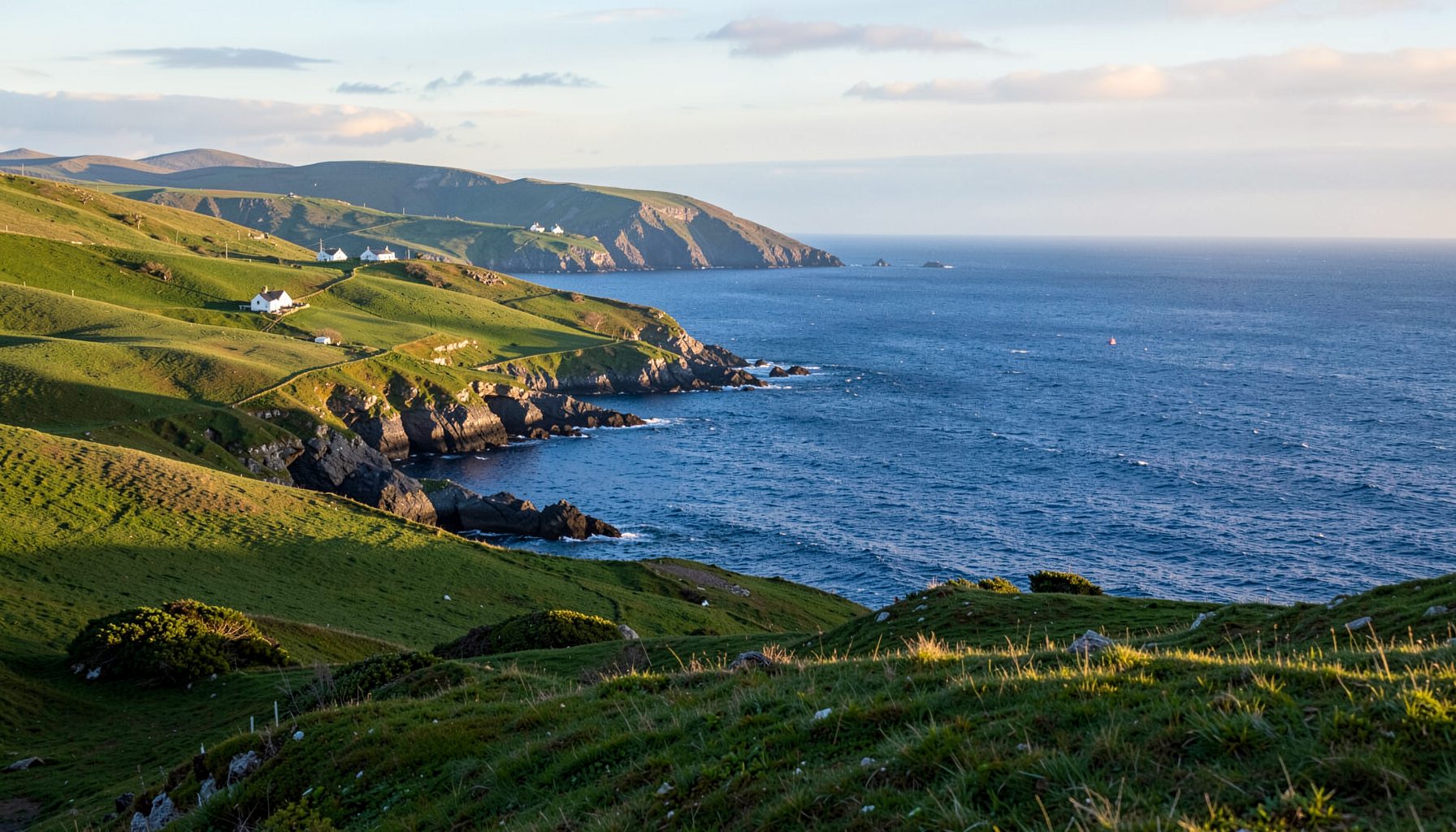
A Guide to Seasonal Wild Garlic and Foraging Walks
As winter loosens its grip on the Iveragh Peninsula, the woodland floor begins to change. Along shaded lanes, stream banks and sheltered coastal paths, wild garlic sends up bright green leaves before producing delicate white flowers. Its fresh scent is one of the clearest signs that spring has arrived on the Skellig Coast.
A guided foraging walk offers more than the chance to identify edible plants. It can reveal how local communities have read the landscape for generations, using seasonal knowledge to understand weather, habitats, food and folklore. Around the villages from Kells to Castlecove, these walks can connect natural history with the living culture of the region.
The best experience is a measured one. Participants should learn how to recognise plants accurately, gather only where permission is granted, leave enough for the colony to thrive and respect the coast’s protected landscapes. Foraging is most rewarding when it strengthens a relationship with the land rather than treating it as a source of free ingredients.
When The Woodland Floor Wakes
Wild garlic, or Allium ursinum, usually appears in damp, fertile and partially shaded places. It favours deciduous woodland, hedgerows, river margins and sheltered slopes where the soil remains moist. On the Skellig Coast, mild Atlantic weather may bring the first leaves forward from late winter, with the main season often running through spring.
The plant is easy to recognise once several features are considered together. Its leaves are soft, green and lance-shaped, growing from the base on individual stalks. Crushed leaves have a strong garlic smell, while rounded flower heads of small white, star-like blooms appear later in the season. The scent is useful, but it should never be the only basis for identification.
The flowering period is particularly valuable for a nature walk. White blooms brighten dark woodland, attract pollinating insects and make plant communities easier to spot. Once the flowers fade, the leaves can become tougher and less appealing for the kitchen, although the plant remains an important part of the local ecosystem.
Learning The Landscape Responsibly
A seasonal walk should begin with the place itself. Guides may explain whether a route crosses common land, farmland, a nature reserve or a protected habitat, since access and gathering rules vary. Permission is essential on private property, and some conservation areas prohibit the removal of plants, stones, shells or other natural materials.
Sustainable harvesting means taking very little from a healthy patch. A walker might collect a few outer leaves rather than uprooting bulbs or stripping a whole clump. Flowering plants should generally be left for insects and seed production, particularly where a colony is small or close to a path.
The same principle applies to movement. Staying on established trails reduces trampling, protects woodland fungi and ground-nesting wildlife, and helps prevent erosion on wet slopes. A foraging walk is also an opportunity to notice birdsong, lichens, mosses and streams without disturbing them.
Local seasonal knowledge often sits alongside craft and household traditions. Early spring, for example, has long carried cultural associations in Ireland, and the making of St Brigid’s crosses reflects the region’s close relationship with plants, materials and community custom.
Identifying Wild Garlic With Confidence
Good identification relies on a combination of characteristics rather than a single quick test. Look at the plant’s shape, growth pattern, habitat, flower and leaf texture. The garlic scent can support identification, but rubbing and smelling every unknown plant is not a substitute for expert guidance, especially when several species grow close together.
Never taste an unfamiliar plant to confirm what it is. Some woodland plants can cause serious illness, and young leaves may resemble edible species before flowers appear. A responsible guide will encourage participants to ask questions, compare reference images and leave anything uncertain exactly where it grows.
Clean gathering is important if a small amount has been approved for collection. Avoid plants beside busy roads, dog-walking routes, sprayed fields, drains or places where animals regularly graze. Soil, pollution, pesticides and animal waste can make otherwise edible leaves unsuitable.
| Seasonal sign | What walkers may notice | Sensible approach |
|---|---|---|
| Late winter leaves | Green shoots in damp, shaded ground | Observe first; gather only with confident identification and permission |
| Spring growth | Broad leaves and a strong garlic scent | Take a small number of outer leaves from a thriving patch |
| Flowering period | White star-shaped blooms above the foliage | Prioritise photography and pollinator watching |
| Late spring decline | Older, tougher leaves and fading flowers | Leave the patch to renew and avoid unnecessary picking |
| Wet weather | Muddy paths and swollen streams | Use sturdy footwear and follow the guide’s route advice |
What A Guided Foraging Walk Can Include
A well-planned walk combines field observation with practical knowledge. The route may pass through woodland, a village edge, a stream valley or a sheltered section of the coast, giving participants a chance to compare habitats. The guide can explain why wild garlic thrives in one location but not another and how changing light, soil and moisture affect its growth.
Walkers may also learn about other useful spring plants, but the emphasis should remain on careful recognition rather than collecting a large variety. Nettles, sorrel, dandelion and sea vegetables each require their own identification, habitat guidance and preparation methods. A narrow focus is often safer and more memorable than a rushed survey of everything growing nearby.
Foraging walks can suit families, visitors, community groups and local residents, though the route should match the group’s abilities. Woodland paths can be uneven, muddy or steep, while coastal weather can change rapidly. Comfortable waterproof clothing, footwear with good grip and a small notebook are usually more useful than elaborate equipment.
The social dimension matters as much as the botany. Stories about old foodways, local names and seasonal customs can turn a short walk into a shared learning experience. Children may enjoy finding scents, textures and colours, while older participants may contribute memories of gardens, farms or traditional remedies.
From Hedgerow To Kitchen
Wild garlic has a fresh, mild flavour that works well in simple dishes. Young leaves can be washed thoroughly and used sparingly in pesto, compound butter, soups, savoury scones or a dressing for potatoes. The flowers provide a gentle onion-garlic note and can be used as a small garnish when gathered legally and sustainably.
Preparation should be straightforward. Wash leaves in clean, cold water, remove damaged portions and use them promptly, since they wilt quickly. Blending the leaves with oil or combining them with butter can preserve their flavour for a short time in the refrigerator, while freezing may extend their usefulness.
A guided walk should explain the difference between enjoying a sample and relying on wild plants as a food supply. Foraged ingredients can carry contaminants, and people with allergies, medical conditions or concerns about pregnancy should take professional advice before eating unfamiliar wild foods. Children should gather only under close supervision.
Cooking also gives the walk a sense of place. A modest bowl of seasonal soup or a slice of bread with wild garlic butter can carry the memory of a damp woodland path, a village conversation and the sound of Atlantic weather. The value lies in the connection between landscape and meal, not in the quantity collected.
Preparing For A Comfortable Visit
Weather shapes every outdoor activity on the Skellig Coast. Spring can bring bright sunshine, showers, wind and mist within a short period, so layered clothing and waterproof outerwear are sensible. Check local conditions before setting out, particularly if a route includes exposed ground, streams or coastal viewpoints.
Bring drinking water, a charged phone, basic personal medication and a small bag for litter. A notebook, camera or plant guide can support learning without encouraging unnecessary picking. Gloves may be useful for some walks, although they do not replace accurate identification or careful handling.
Use this simple checklist when preparing:
- Choose a walk suited to your fitness, mobility and experience.
- Confirm access arrangements and whether any gathering is permitted.
- Wear secure footwear and clothing suitable for wet, changeable weather.
- Carry only what you need, leaving plants, flowers and wildlife undisturbed.
- Follow the guide’s identification, hygiene and conservation advice.
Local community hubs, cultural groups and outdoor programmes may provide information about seasonal events and guided activities. Checking regional listings before travelling can help visitors find a walk that supports local organisers and reflects the character of the area.
Walking Into Spring
A wild garlic walk is a gentle way to experience the Skellig Coast at a season of renewal. It brings together woodland ecology, responsible food gathering, local history and the everyday knowledge that helps communities care for their surroundings.
Take time to notice the details: the first leaves beneath the trees, the scent released by a crushed stem, the hum of insects around spring flowers and the changing light on a wet path. Join a local guided walk when available, learn from people who know the landscape, and carry its lessons with care.