A Guide to the Sand Dunes and Wildlife of Inch Beach
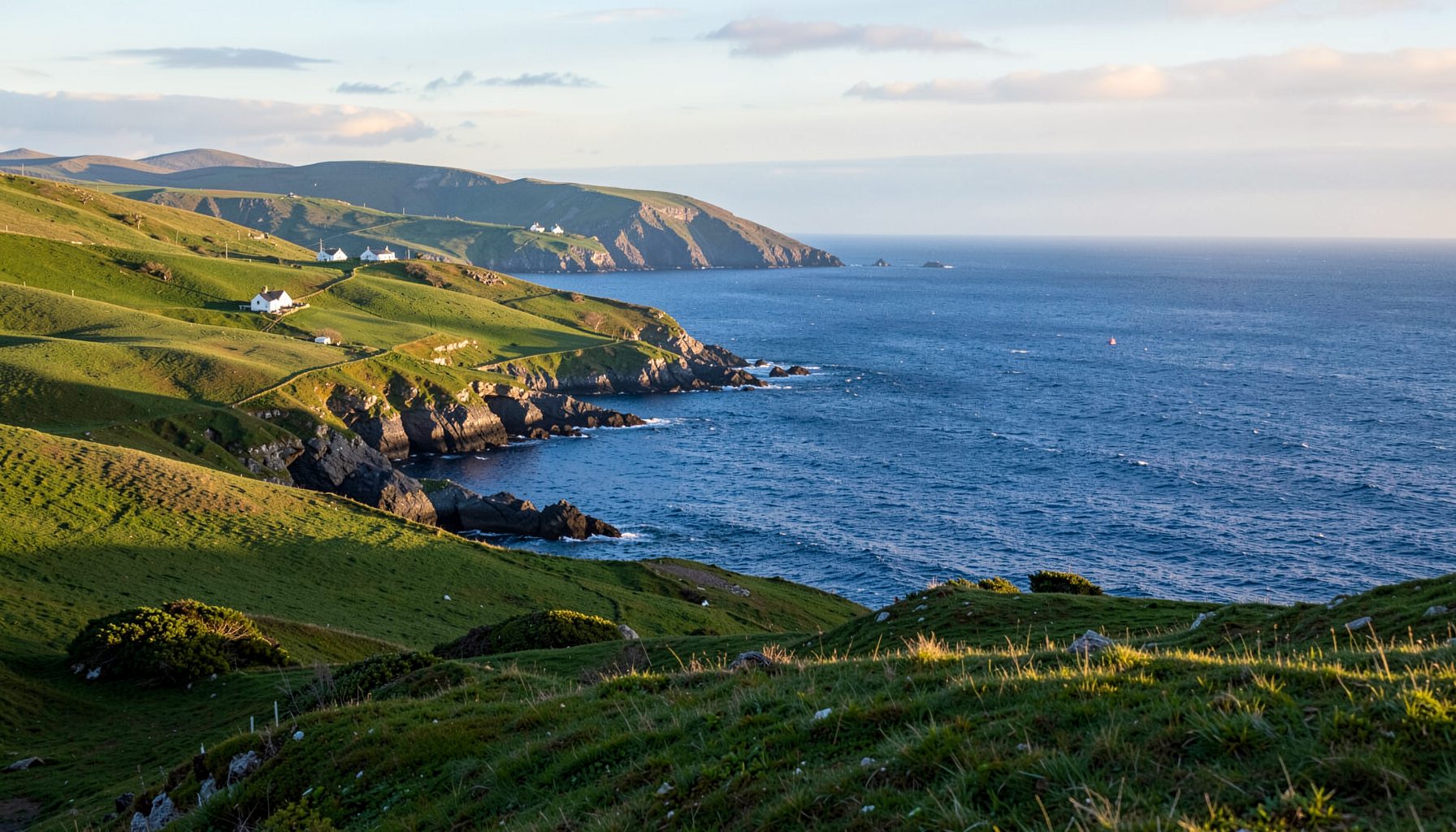
Inch Beach stretches into Dingle Bay from the Iveragh Peninsula’s western neighbour, County Kerry, forming one of Ireland’s most memorable Atlantic landscapes. The long strand is backed by shifting dunes, wet hollows and grassland, while the Slieve Mish Mountains rise across the water. Its scale can feel surprising to visitors used to the more enclosed coves of the Ring of Kerry.
The dunes are more than a scenic border between road and sea. They are a living coastal defence system, built from wind-blown sand and held together by specialised plants. Their ridges, sheltered hollows and damp areas provide nesting, feeding and resting places for birds, insects and small mammals.
For visitors travelling from Australia, Inch can look familiar at first: a broad beach, salt air and open walking space. The experience is different, however. Atlantic tides, cold water, sudden weather changes and fragile dune vegetation call for a little more care than a typical visit to a patrolled beach near Sydney, Melbourne or Perth.
Reading the shape of the dunes
Inch’s sand dunes have developed through the constant movement of wind, waves and vegetation. Sand is pushed inland from the strand, then caught by plants such as marram grass. Its long roots and flexible leaves help trap more sand, allowing low ridges to grow into larger dune forms.
The seaward dunes are usually the most exposed. They can appear sparse, with patches of bare sand between tough grasses. Further inland, the landscape may become more stable, supporting a richer mix of grasses, wildflowers and mosses. Dune slacks, which are low-lying hollows between ridges, can hold moisture and create conditions that differ greatly from the dry outer dunes.
These features are easily damaged by repeated trampling. A single footprint has little effect, but informal paths used by many people can widen quickly and break the vegetation that keeps sand in place. Once a plant-covered slope is opened, wind and rain can remove the loose sand and deepen the erosion.
Plants adapted to salt and wind
Marram grass is the best-known dune plant at Inch, though it is only one part of the coastal community. Sea holly may be found in sandy areas, recognisable by its blue-green colour and spiky leaves. Sea sandwort, red fescue and creeping buttercup can also appear, depending on the season and the amount of shelter.
Wildflowers add colour without creating a formal garden effect. Thrift produces small pink flowers, while bird’s-foot trefoil can bring yellow tones to short grass. In wetter hollows, visitors may notice rushes and other moisture-loving plants. The exact display changes with weather, grazing, salt exposure and the time of year.
These plants are adapted to demanding conditions. Many have narrow leaves to reduce water loss, deep or spreading roots to anchor them in unstable ground, and low growth that avoids the strongest winds. Picking flowers or removing shells and driftwood may seem harmless, yet each part contributes to the dune’s natural structure and habitat.
Birds across the strand and grassland
Inch Beach is a useful place for quiet birdwatching because the beach, dunes, pasture and tidal margins sit close together. Oystercatchers may be seen along the shore, using their long red bills to search for shellfish. Ringed plovers favour open sand and shingle, where their small size and quick movements can make them difficult to spot.
The grassland behind the dunes may support meadow pipits, skylarks and wheatears. Skylarks are often easier to hear than see, rising above the dunes while delivering their bright, continuous song. Meadow pipits tend to keep close to the ground, while wheatears may pause on stones, fence posts or low vegetation during migration.
Curlews and other waders can use the wider bay and wet coastal ground, particularly outside the busiest summer periods. Bring binoculars if you have them, but avoid approaching a bird that repeatedly moves away, calls sharply or appears to be guarding a particular patch of ground. Those behaviours can indicate feeding, nesting or the presence of young.
Small mammals, insects and coastal life
The dunes also provide habitat for insects that are easy to miss during a fast walk. Butterflies, moths, hoverflies and solitary bees visit flowering plants during the brighter months. Warm, sheltered hollows can become noticeably more active than the exposed beach, especially on calm afternoons.
Irish hare may occur in open coastal grassland, although sightings are never guaranteed. Rabbits can be more familiar, and their grazing helps shape the vegetation. Their burrows can weaken dune faces, so visitors should avoid walking close to unstable banks or entering areas marked as sensitive.
The shoreline adds another layer of wildlife. Rock pools, seaweed lines and shallow water can support small crabs, molluscs and other marine creatures, while seals may occasionally be visible in Dingle Bay. Wildlife viewing is best kept observational: return stones carefully if they are lifted, keep dogs under control and leave live creatures where they are found.
Tides, weather and beach safety
Inch is an exposed Atlantic beach, and conditions can change faster than the broad, calm appearance suggests. Check tide times before setting out, especially if walking near rocky margins or exploring beyond the main access points. Rising water can cut off routes along the shore, and wet sand may be firmer in one place and unstable a few metres away.
Australian visitors may instinctively compare Inch with a surf beach in Queensland or a long ocean beach outside Perth. The important difference is the water temperature and the character of the Atlantic swell. Swimming should be treated cautiously, and visitors need to follow local signs, lifeguard advice and any seasonal warnings. A beach that looks inviting on a sunny morning can become rough and cold later in the day.
Wear footwear with a secure sole for dune paths and bring an extra layer, even in summer. Sun protection still matters under Irish cloud, much as it does during an overcast day in Melbourne or Hobart. A small amount of water, a charged phone and a weather check are sensible additions to a short coastal walk.
Walking without harming the dunes
Use established access routes rather than climbing directly over the nearest ridge. Boardwalks, marked paths and compacted entrances concentrate foot traffic in places that can withstand it. If a route looks closed or fenced, treat that barrier as part of the conservation system rather than an inconvenience.
Dogs should be kept close where signs request it, particularly during the bird-breeding season and around livestock. Even a friendly dog can flush ground-nesting birds or chase wildlife across fragile vegetation. On busy days, a lead is often the simplest way to protect animals and avoid conflict with other visitors.
Take all rubbish away, including food scraps and biodegradable items. Orange peel, apple cores and other leftovers do not belong in the dunes; they can attract animals to paths and alter feeding behaviour. Avoid lighting fires, driving beyond permitted areas or creating new tracks for vehicles, bikes or large groups.
Planning a visit from the local area
Inch Beach works well as part of a wider Kerry itinerary. It can be linked with villages and heritage sites around the Dingle Peninsula, or included in a longer journey through the Ring of Kerry and towards the Skellig Coast. Allow time to stop rather than treating the beach as a quick photograph between destinations.
The busiest periods are generally summer weekends, public holidays and school breaks. Australian travellers will recognise the pattern from the Christmas rush on the Great Ocean Road or crowded coastal towns during the New South Wales and Victorian school holidays. An early or late visit usually brings softer light, quieter paths and better chances of seeing shorebirds.
Local businesses and community facilities benefit when visitors spend thoughtfully. Buy supplies from nearby shops, use designated parking and choose local cafés or food producers where practical. A visit planned around local opening hours is more useful than assuming every service will operate on the timetable familiar from major Australian tourism centres.
Photography is rewarding in nearly every direction. Look inland for the mountains, across the bay for changing light on the water, and towards the dunes for details such as marram grass, seed heads and animal tracks. Keep people, nesting areas and private land out of close-up images, and remember that a dramatic viewpoint is never worth leaving the marked route.
The dunes and wildlife of Inch Beach are best experienced slowly: walk the firm sand, pause to listen for skylarks, watch the tide from a safe distance and notice how plants hold the landscape together. Before travelling, check current access information, weather and local guidance through reliable regional sources. Then explore with light footsteps and leave the beach ready for the next visitor, bird and season.