Rivers and Lakes for Paddling Near Sneem on the Iveragh Peninsula
The Iveragh Peninsula in County Kerry holds a lacework of sheltered bays, slow-moving rivers and freshwater loughs that reward anyone with a paddle and a patient eye. Sneem sits roughly halfway along the Ring of Kerry, and from its stone bridges and tidy harbours you can reach quiet water in almost any direction without needing a car for long. Kayakers and canoeists who make their way here usually want three things: scenery that swallows the day, water that forgives modest skills, and a launch point that does not feel overrun.
For paddlers arriving from Australia, the region offers something familiar and something entirely foreign at the same time. Anyone used to launching off the Murray or threading a sea kayak around the headlands of Tasmania will recognise the importance of reading weather, but the green scale of the Caha Mountains and the Atlantic light over Kenmare Bay belong to another world. With sensible planning, the village makes a soft landing for a paddling holiday built around short sessions, comfortable beds and a great deal of dry weather between the showers.
The lay of the water around Sneem
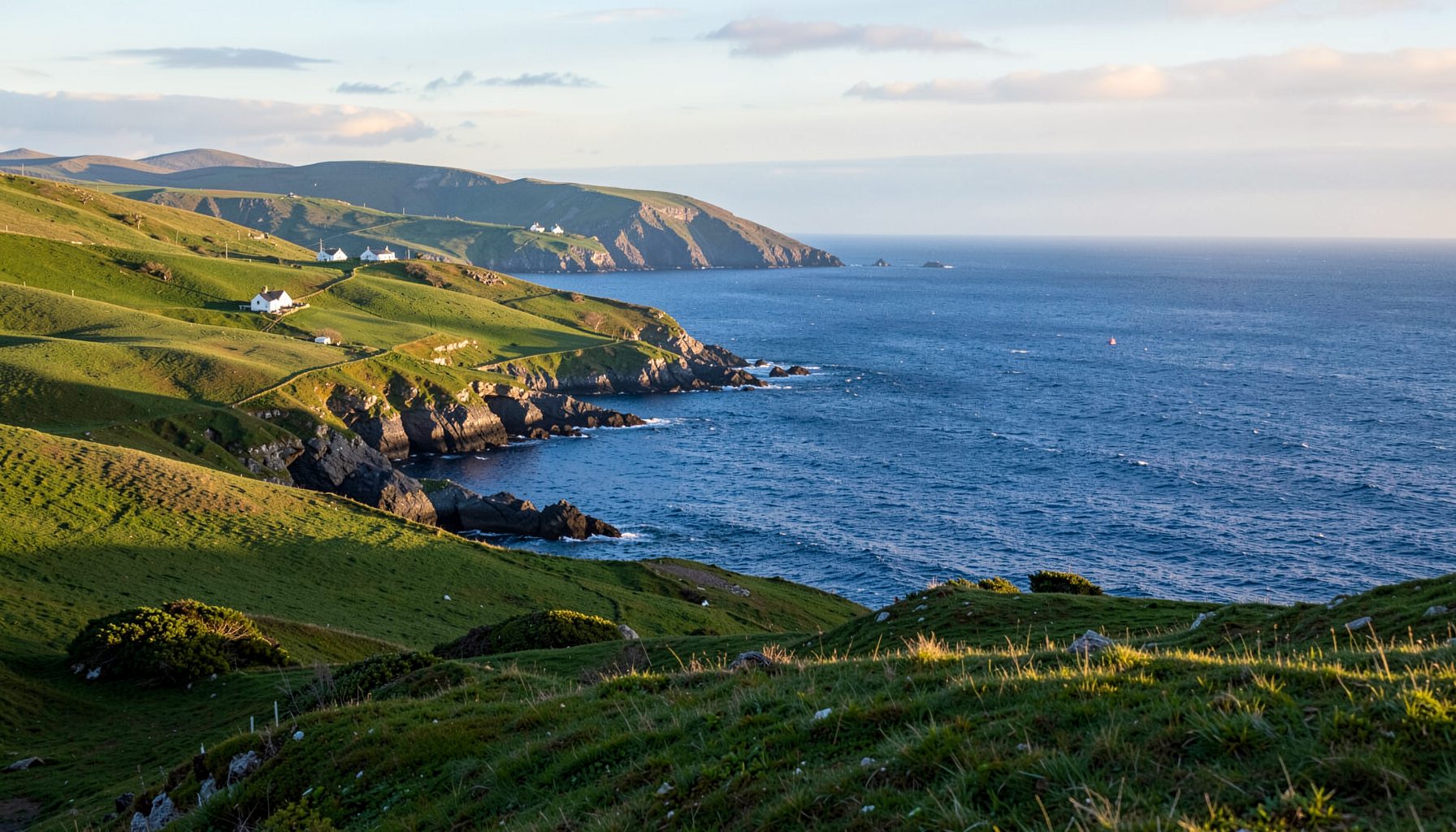
Sneem itself sits between two arms of Kenmare Bay, with the Sneem River running down from the hills to meet the salt water near the village centre. A short distance inland, the South Caha hills drop into a chain of bog-strewn valleys holding loughs that are large enough to feel remote but small enough to lap in a calm morning. To the south, valleys carved by the Inny and the Blackwater carry you towards Waterville and Lough Currane, while to the north, the shoreline folds into the deep blue trench of Kenmare Bay itself.
The water here sits on a sliver of land caught between the Atlantic and the sheltered inner coast of Kerry, which gives paddlers an unusual choice. You can opt for sea kayaking along the bay's granite walls, drifting through the kind of marine scenery most Australians only ever see on a screen, or you can stay inland and work through gentle rivers and loughs where the reflections alone justify the trip. Both experiences share the same sky, the same Atlantic swell of weather rolling in, and the same backdrop of sheep-flecked hills.
Kenmare Bay as a sea paddling playground
Kenmare Bay is technically an inlet, but with eight kilometres of width and deep water close to shore, it behaves like a sheltered sea. Paddlers who put in at Sneem's small pier or at nearby Rossdohan can follow the shoreline south past Parknasilla's wooded islands, where herons stalk the kelp and pine shadows fall across the water. Easterlies and northerlies keep it calm; a southerly turning fresh starts to build swell, especially near the bay's open mouth.
Most days the bay gives you flat water, the kind that brings sea birds in close and lets you hear seals before you see them. A typical session runs from Sneem out past the mouth of the Blackwater, looping back under the lee of the cliffs. The distance is forgiving for intermediate paddlers, and the views back towards the MacGillycuddy's Reeks are the kind you end up photographing far more than expected. For Australian paddlers used to the tidal races off Tasmania or the steady swell of the Mornington Peninsula, the bay feels surprisingly gentle, more like Port Phillip at its quietest than the open Southern Ocean.
The Sneem River and its quiet stretch
The Sneem River is small, only a few kilometres of navigable water, but it gives a real flavour of inland Kerry paddling. Its lower section, below the bridge at the village, mixes slow tidal pools with gravel riffles and a string of tiny islands crowned with alder and willow. A short paddle from the village green will put you among heron prints, darting trout and the kind of green that looks artificially bright until you realise it is just Ireland in June.
There is no formal put-in signage, so most paddlers launch from the slip beside the village quay at high water and drift upstream as the tide turns. The river bends through farmland where fences drop to the water and curious cattle watch from the far bank. It is not a wilderness experience, but it is one of the easiest paddles in the area and an ideal first outing for anyone easing into the day or sharing time with family.
Freshwater lakes within paddling reach
Within twenty minutes of Sneem by car sit several freshwater loughs that feel removed from the holiday traffic of the Ring of Kerry. Lough Coomnahorna, sometimes called Coome, lies high above the village with a backdrop of loughs stitched into the bog. Its dark, peaty water and surrounding heather make a circuit of its islands one of the quietest paddles in the region. Further south, the Blackwater feeds into Lough Namona and Lough Caum, both worth a few hours of unhurried exploration with a packed lunch and a flask.
For anyone used to paddling in New South Wales or along the Murray, these loughs read almost like a softer Tasmanian waterway. The distances are short, the launch points informal and the wildlife focus is freshwater rather than marine. The water sits still even when the wind picks up on the hills, which makes them a reliable choice for a half-day outing if the bay looks gusty. Bringing a small anchor or a folding paddle tie makes the loughs even more enjoyable, especially for anyone who just wants to drift and absorb the silence.
Weather, tides and the Atlantic rhythm
Anyone paddling here has to take the Atlantic seriously, even when the bay looks calm. Winds swing quickly from the south-west as fronts approach, and sea fog can roll in along the bay's length within an hour. Tide ranges in Kenmare Bay are modest compared with the east coast of Australia, but they still influence timing around the Sneem River mouth, where a falling tide can expose shallow rocks.
The reliable window runs from late May through September, when mornings tend to start clear and the wind builds late morning. Many local paddlers aim to be off the water by two o'clock, a habit that fits neatly with Australian summer training rhythms if you fly home before the season turns. A waterproof VHF radio is a sensible backup on the bay, and an Irish Coast Guard channel sticker in your dry bag is small insurance against a poor decision.
Skills, equipment and joining the water
Irish paddling culture values self-sufficiency, and the standards around the Skellig Coast are closer to those used by Australian clubs than first impressions suggest. Paddle craft recognised by Canoeing Ireland (or the Australian Canoeing equivalent for visitors) keep you within the rules at most access points, and a spray skirt on the bay is a smart addition even in summer. Wetsuits are useful from May to early July when the water still sits in the low teens.
Local providers offer sit-on-top sessions and guided half-day sea kayak tours from Sneem during the season, and a handful of these are run by paddlers who have themselves crossed the Tasman or worked out of Victoria. Beginners find the sheltered bay forgiving; intermediate paddlers can stitch together longer circuits. If you carry your own boat, expect to register any sea kayak at the local harbour office for the season and to follow standard right-of-way on the bay, much as you would off Sorrento back home.
Flying in and building a paddling holiday from Australia
Reaching Sneem from Australia typically means flying into Dublin or Cork, then driving four to five hours across County Kerry or taking a train to Killarney followed by a regional bus. Most Australian adventure travellers combine a paddling base at Sneem with time in Cork or Galway, and several heritage tour operators in the Irish diaspora market now run paddle-focused itineraries for visitors tracing family roots. Travelling outside peak Irish school holiday dates in July gives cheaper cabins and quieter water, and many Aussies time their trip for a European summer before returning home for a southern hemisphere Christmas paddle.
Gear logistics are straightforward if you ship a folding kayak in a hard case or hire on the ground. The local paddling community is small, welcoming and well practised with international visitors, so a quick email to a provider before you fly usually secures the boat, the storage and a backup plan if weather closes in. Once on the water, the rhythm of a Kerry paddling day, early launch, long lunch, slow second session, settles in quickly and feels right at home to anyone shaped by Australian outdoor culture.
| Venue | Type | Best for | Launch effort | Conditions note |
|---|---|---|---|---|
| Kenmare Bay | Sea inlet | Intermediate sea kayakers | Easy, slipway at village | Calm in north/east winds; best mid-morning |
| Sneem River | Tidal river | Beginners, families | Easy, village slip | Short paddle; tidal timing useful |
| Lough Coomnahorna | Freshwater lough | Quiet half-day outing | Short walk from road | Peat-dark water; very still conditions |
| Lough Namona and Lough Caum | Freshwater loughs | Drift paddling and picnics | Rough track; suitable for lough craft | Sheltered; bring an anchor |
| Blackwater River section | River | Intermediate river paddlers | Access by farm track | Limited signage; ask locally before launching |
Pack the dry bag, charge the handheld GPS, and book a return train that does not leave you stranded if the wind turns wild on the bay. Sneem is a small village that has paddling in its bones, and a few days on its water often outshines a fortnight spent chasing larger names elsewhere in Kerry.