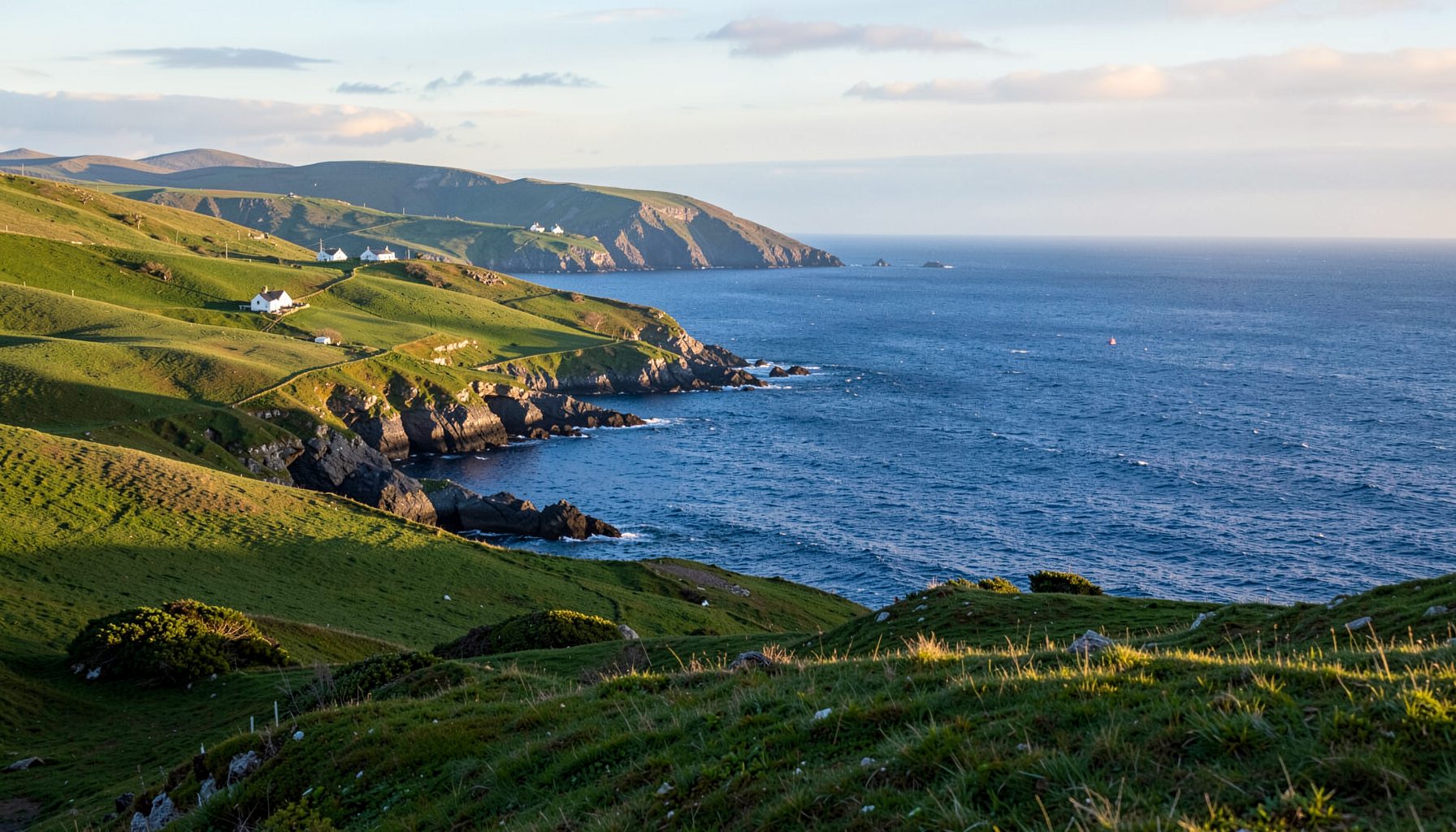
A guide to pony trekking along the Skellig Coast
Pony trekking offers a gentle way to experience the landscapes of the Skellig Coast, where mountain roads, coastal paths, sandy beaches and green pastures meet the Atlantic. From Kells to Castlecove, the scenery changes quickly: a quiet lane may open towards Dingle Bay, while a woodland track can lead into views of the Iveragh Peninsula’s rugged hills.
Riding here is generally arranged through an equestrian centre, trekking yard or guided outdoor provider rather than treated as an independent trail activity. Local knowledge matters because access can depend on tides, livestock, farming operations, weather and permission from landowners. A guided ride is the safest way to discover which routes are suitable for horses and riders on a particular day.
The experience is usually aimed at visitors who want a slower, more immersive outing. You do not need to be an experienced equestrian to enjoy a beginner-friendly trek, although honest information about your riding ability helps the guide match you with an appropriate horse and route.
What a coastal trek involves
Pony trekking may include beach riding, forest tracks, quiet public roads, bridleways and sections of open countryside. The exact mix depends on the yard, the group’s experience and the condition of the ground. Some rides remain at walking pace, while longer or more advanced excursions may include opportunities for experienced riders to trot where the terrain allows.
A typical outing begins with a safety briefing, an introduction to the ponies and basic instructions for mounting, steering and stopping. Guides often lead the group in single file, particularly on narrow lanes or uneven ground. The pace may feel unhurried, but this gives riders time to appreciate the scenery and allows the ponies to move safely over unfamiliar surfaces.
The Atlantic setting is a major part of the appeal. You may see sea cliffs, offshore islands, stone walls, bogland, heather-covered slopes and working farmland during a single ride. Clear days can bring views towards Valentia Island, the Blasket Islands or the Skellig Islands, while mist and changing light create a more atmospheric view of the same landscape.
Where the main riding landscapes are found
Around Kells and the northern part of the Skellig Coast, routes may draw on country lanes, pasture and coastal viewpoints overlooking Dingle Bay. The area is known for its rural character and broad open scenery. Horse rides here are especially rewarding when the weather is clear, as the combination of mountains, sea and traditional field boundaries gives the landscape a strong sense of place.
The Waterville and Ballinskelligs area offers a mix of shorelines, low hills and inland roads. Beach access is never automatic: horses may be restricted at certain times, and some stretches can be unsuitable because of soft sand, visitors, nesting birds or changing tides. A local guide will know whether a beach section is available and whether the group should remain on firmer ground near the upper shore.
Further south towards Caherdaniel, Derrynane and Castlecove, the scenery becomes especially varied. Coastal lanes wind through fields and woodland, with occasional glimpses of sheltered bays and rocky headlands. Derrynane’s historic and natural setting makes it a memorable area to explore, but its beaches, dunes and surrounding paths require care because they are shared with walkers, families and wildlife.
No horse trek can travel to Skellig Michael itself. The island is reached by boat under regulated conditions, and its monastic site is accessed on foot by steep steps. Pony trekking belongs on the mainland, where it can complement visits to the Skellig Coast’s heritage sites, beaches and viewpoints.
Matching the route to your riding experience
Beginner rides normally stay at a calm pace and use manageable terrain. They are suitable for visitors who have little or no recent riding experience, though riders should still be comfortable sitting on a horse and following instructions. Children may have minimum age or height requirements, and some providers may ask for an adult to accompany younger participants.
Intermediate and experienced riders may have access to longer rides, more varied terrain or a little faster work. This is determined by the guide, not simply by a rider’s confidence. Coastal ground can be uneven, and a horse that is calm in an arena may respond differently to waves, dogs, bicycles, farm machinery or strong wind.
The table below gives a general guide rather than a fixed list of local products. Each provider sets its own age, weight, footwear, insurance and riding requirements, so check the current conditions before booking.
| Rider or outing | Likely route character | What to confirm |
|---|---|---|
| First-time rider | Short trek on quiet tracks, lanes or firm ground | Minimum age, pace, helmet and mounting support |
| Family outing | Gentle countryside route with regular stops | Child supervision, pony size and group arrangement |
| Returning rider | Longer coastal or woodland ride at walking pace | Previous experience, weather policy and ride duration |
| Experienced rider | More varied terrain, with faster work only where permitted | Ability assessment, tack, group level and safety rules |
| Scenic half-day trek | Combination of inland tracks and coastal viewpoints | Food, rest stops, tide conditions and transport details |
Preparing for weather and changing ground
The Skellig Coast has a maritime climate, so conditions can shift quickly. A bright morning can become windy or wet within a short period, and rain may make grassy tracks slippery. Wear comfortable layers, long trousers and sturdy footwear with a small heel. Riding boots are ideal, but providers may accept other secure footwear that will not slip easily through the stirrup.
A waterproof outer layer is useful even during the brighter months. Avoid loose scarves, dangling straps and bulky bags, which can catch on branches or equipment. Long hair should be tied back, and gloves can make the reins more comfortable in cool weather. Helmets are generally supplied or required, but confirm this when making arrangements.
Ground conditions are equally important. Wet sand, deep mud, loose stones and steep slopes can affect whether a route is open. A responsible provider may change the itinerary or cancel a ride when conditions could endanger horses or participants. This is a normal part of responsible equestrian tourism, rather than a sign that the outing has been poorly planned.
Respecting horses, land and local communities
A trekking pony is a working animal with its own temperament, routine and limits. Follow the guide’s instructions about feeding, grooming, mounting and spacing between horses. Do not try to overtake, pull on the reins unnecessarily or encourage a pony to move faster than the group. Quiet behaviour helps the horses remain settled, particularly when passing traffic or other animals.
Riders should stay on approved routes and avoid cutting across dunes, bogland, planted areas or private fields. Gates must be left as they are found, and litter should be carried out. On public roads, horses have priority in some situations but remain vulnerable to fast or unexpected traffic; the group may pause or move in a controlled line to let vehicles pass safely.
Be considerate of walkers, cyclists, anglers and beach users. Slow down when passing people, give dogs plenty of space and never assume that a shared path is clear around a blind bend. Wildlife also deserves distance, especially during nesting seasons. A guided trek should leave the landscape and the community undisturbed.
Planning a pony ride on the Skellig Coast
Book ahead during school holidays, summer weekends and bank holiday periods. Smaller yards may run limited sessions, and a suitable ride can depend on having enough participants at a similar ability level. When contacting a provider, give the number of riders, ages, approximate experience and any relevant mobility or health information.
Ask whether the ride is suitable for complete beginners, how long it lasts and what type of terrain is involved. It is also useful to ask about transport, parking, changing facilities, payment, cancellation arrangements and what happens in poor weather. Do not rely on assumptions about beach riding, cantering or access to a particular landmark.
Allow extra time around the booking. A trek may start with fitting helmets and meeting the ponies, and the group may stop for photographs or to let the horses settle. Arrive rested, avoid alcohol before riding and leave valuables in a secure place. Mobile coverage can be inconsistent along remote sections of the coast, so share your plans if travelling independently.
Simple ways to make the outing better
- Choose a route that matches your actual riding experience, rather than the fastest or longest option.
- Check tide, weather and daylight conditions when a beach or exposed headland is part of the itinerary.
- Wear secure footwear and practical layers that can handle rain, wind and muddy ground.
- Keep cameras and phones safely stored until the guide says it is suitable to stop and take photographs.
- Combine the ride with a respectful visit to nearby beaches, villages, heritage sites or local cafés.
Pony trekking adds a distinctive dimension to exploring the Skellig Coast. It connects the visitor with the pace of the countryside, the character of the ponies and the changing details of the landscape, from sea-washed roads near Kells to the sheltered bays around Derrynane and Castlecove.
Before setting out, check current local provider information and access conditions through the relevant community or tourism resources. Choose a guided ride that suits your ability, allow the landscape to set the pace and help keep these coastal routes welcoming for riders, residents, walkers and wildlife.