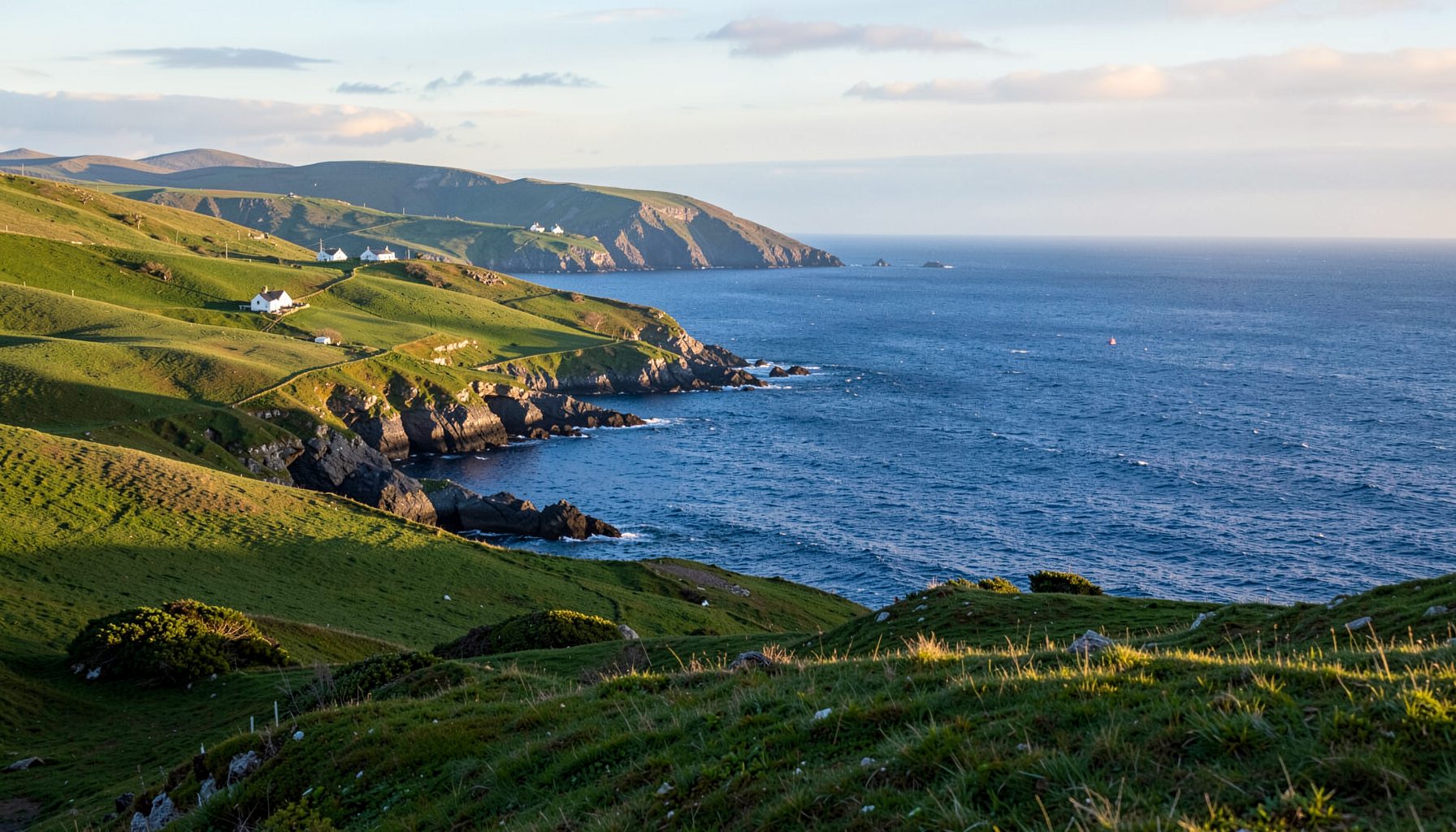
A Guide to Local Tweed and Woollen Mills on the Skellig Coast
The Skellig Coast is best known for Atlantic scenery, stone forts, island heritage and the extraordinary monastic settlement on Skellig Michael. Yet the region’s textile story is just as closely tied to its landscape. Wool, woven cloth, knitted garments and handmade accessories reflect the weather, farming traditions and practical creativity of Ireland’s south-west.
For visitors from Australia, a woollen purchase can be more than a souvenir. A well-made throw, scarf or cap offers useful warmth for Melbourne winters, a thoughtful gift for family in Hobart or a tactile reminder of a journey through Kerry. The key is understanding which products are made locally, which belong to the wider county, and how to buy with confidence when the label, fibre and place of manufacture matter.
Understanding The Regional Textile Landscape
The phrase “local mill” can cover several different things around the Iveragh Peninsula. Some businesses manufacture fabric, while others sell Irish-made knitwear, blankets or tweed sourced from mills elsewhere in Kerry and Ireland. Craft shops, visitor centres, galleries and heritage venues may also stock regional textiles without producing them on site.
The Skellig Coast stretches from Kells through Cahersiveen, Portmagee, Valentia, Waterville, Caherdaniel and Castlecove. It is a rural area with scattered villages rather than a single manufacturing district. That means a textile trail usually combines retail visits with museums, cultural centres, historic sites and scenic drives along the Ring of Kerry.
Kerry Woollen Mills, near Beaufort, is one of the best-known traditional woollen manufacturers in the county, though it lies north of the Skellig Coast itself. Its presence helps explain the wider Kerry textile tradition and makes it a useful stop for visitors travelling between Killarney and the Iveragh Peninsula. Within the coastal communities, look for independent retailers and craft outlets that clearly identify the origin of their stock.
Where The Wool Story Begins
Woollen production is shaped by the raw material. Irish sheep farming has long supplied fleeces suited to yarn, blankets and heavier cloth, while the damp, windy climate creates demand for fabrics that retain warmth and cope with regular use. Traditional wool is valued for resilience, insulation and its ability to manage moisture better than many synthetic fibres.
Tweed has a related but distinct history. It is a woven textile, traditionally made from wool, with a firm handle and visible texture. Donegal tweed is especially famous for flecks and earthy colour combinations, although the best-known producers are outside Kerry. A shop on the Skellig Coast may sell Donegal tweed accessories alongside Kerry-made woollens, so read the product description rather than assuming that every Irish textile was woven nearby.
Local heritage displays can add useful context. Farm buildings, historic houses and community museums often show spinning, weaving or clothing traditions that are no longer part of everyday rural work. These places help visitors understand why wool was once an essential household material rather than a decorative luxury.
Reading The Difference Between Tweed And Woollens
Tweed is defined by its woven structure. The yarns cross at right angles to create a stable cloth, often with a slightly rough surface and a structured drape. It is commonly used for flat caps, waistcoats, jackets, bags and upholstery-weight accessories. A tweed scarf may feel firmer and less stretchy than a knitted wool scarf.
“Woollen” is a broader term. It may describe knitted jumpers, woven blankets, felted goods or yarn made from sheep’s wool. A soft merino knit, a dense blanket and a chunky hand-knitted hat are all woollen products, but they behave differently in warmth, weight and care requirements.
| Product | Typical Construction | Useful Qualities | What To Check |
|---|---|---|---|
| Tweed cap | Woven wool cloth, often lined | Structured, durable and wind resistant | Fibre content, lining and sizing |
| Woollen scarf | Knitted or woven wool | Warm, packable and easy to gift | Softness, dimensions and care label |
| Wool throw | Dense woven or brushed wool | Long-lasting home textile | Weight, origin and washing instructions |
| Aran-style jumper | Textured knitted wool | High insulation and distinctive patterning | Fit, fibre blend and shrinkage risk |
| Felted accessory | Compressed wool fibres | Firm shape and tactile finish | Colourfastness and cleaning method |
Choosing Pieces For Australian Conditions
Australian buyers need to consider a different climate from the one that inspires these textiles. A heavy wool jumper may be ideal for a winter trip to Cradle Mountain or an alpine weekend near Falls Creek, but excessive for a Brisbane wardrobe. Lightweight merino, a fine wool scarf or a compact tweed cap can be more versatile across Australian seasons.
Wool is especially useful for layering. A breathable base layer, a light knit and a weatherproof outer shell generally work better in Sydney’s variable winter weather than one very bulky garment. For bushwalking around the Blue Mountains or the Grampians, choose pieces that dry reasonably quickly and can tolerate regular use rather than treating every wool item as a fragile keepsake.
Colour is part of the appeal. Heathered greys, moss greens, rusts and peat browns echo the Kerry landscape and work well with neutral Australian wardrobes. If buying a blanket for a home, check its finished dimensions carefully; Irish and Australian bed sizes do not always correspond, and a throw may be intended for a sofa rather than a full bed.
Practical Checks Before You Buy
A good textile purchase starts with the label and the seller’s explanation. Ask whether the item was woven, knitted or finished locally, and whether “Irish wool” refers to the fibre source or the place of manufacture. A transparent retailer should be able to explain the difference.
Useful questions in a shop:
- What fibres are included, and in what percentages?
- Where was the item woven, knitted or finished?
- Is the colour natural, plant-dyed or commercially dyed?
- What cleaning method does the maker recommend?
Details to inspect before paying:
- Even stitching and secure seams
- A clear care label and country-of-origin information
- Consistent colour across the fabric
- A comfortable fit, especially for hats and jumpers
Handmade variation is not necessarily a fault. Small differences in yarn texture, pattern placement or colour can be evidence of individual production. However, loose threads, distorted seams or vague fibre descriptions deserve closer attention, particularly when a product is priced as a premium craft item.
Visiting Mills, Shops And Heritage Stops
A textile-focused day can begin with a mill visit outside the peninsula and continue west towards the Skellig Coast. Check opening hours before setting out, as rural businesses may operate seasonally or close on selected weekdays. A working mill may have a shop but limited public access to machinery, while a heritage centre may explain traditional techniques without selling current production.
On the peninsula, combine craft shopping with places that give the material cultural context. Cahersiveen has strong connections to local history, Portmagee is a gateway to Skellig Michael boat trips, and Valentia Island offers geological and maritime stories alongside coastal scenery. Kenmare, at the southern end of the wider route, is known for craft retail and makes a natural extension to a textile itinerary.
Allow time to handle the fabric. Rub a scarf lightly between your fingers, examine the reverse side of a tweed cap and hold a blanket up to the light. Staff can often explain whether a piece is intended for hard wear, occasional use or display. This kind of conversation is one reason an independent shop can be more informative than a generic airport souvenir outlet.
Shipping Woollen Goods To Australia
Most clean, finished woollen goods are straightforward to take home, but Australian biosecurity rules are strict. Do not pack raw fleece, dirty boots, untreated hides or agricultural material with a textile purchase. Finished garments and blankets should be clean and free from soil, seeds and animal contamination. Check the current guidance from the Australian Department of Agriculture, Fisheries and Forestry before travelling.
For posted purchases, ask the retailer about international shipping, tracking, insurance and return arrangements. An Australian customer may also need to account for currency conversion, delivery charges and any applicable import costs. Prices displayed in euro can look very different after conversion to Australian dollars, especially when a bank adds a foreign transaction fee.
GST treatment and import obligations can depend on the seller, the value of the shipment and how the transaction is processed. Keep the receipt, product description and fibre details until the order arrives. If the item is a gift, confirm whether the retailer uses protective packaging that will prevent creasing or moisture damage during a long journey.
Making A Textile Purchase Part Of The Journey
The best woollen souvenirs carry a clear sense of place. A scarf bought after exploring Valentia Island, a tweed cap chosen in Cahersiveen or a blanket connected with a Kerry mill can preserve the memory of the coast more vividly than a mass-produced emblem. Record the maker’s name and the location of purchase so the story remains attached to the object.
Skellig Coast is a useful starting point for exploring that story. Browse its information about villages, community initiatives, heritage attractions and outdoor programmes, then build a route that leaves room for local shops and conversations. Pair a textile stop with a coastal walk, a visit to a historic site or a day learning about the islands rather than treating shopping as a separate activity.
For an Australian visitor, the result can be both practical and personal: an Irish wool layer for a cool evening in Canberra, a tweed accessory for a winter weekend in Melbourne, or a durable throw that brings the Atlantic colours of Kerry into a home in Perth. Explore the Skellig Coast’s communities and heritage, follow the wider Kerry textile trail, and choose pieces whose materials, makers and origins can be clearly traced.