A Guide To Local Music Sessions In Skellig Coast Village Pubs
The village pub session is one of the most welcoming ways to experience the Skellig Coast after a day exploring the Iveragh Peninsula. From Kells and Cahersiveen towards Waterville, Ballinskelligs, Portmagee, Sneem and Castlecove, music can appear in a small bar with little advance notice. A fiddle case by the wall, a guitar leaning near the fireplace and a few familiar faces may be all the sign that an evening is about to begin.
These gatherings are generally informal rather than staged concerts. Local musicians may play traditional Irish reels, jigs, slides and airs, along with songs, ballads and the occasional contemporary number. The line-up can change from week to week, and a session may be lively one evening and quiet the next. That uncertainty is part of its character.
For visitors from Australia, the atmosphere may feel familiar in some ways. Like a Melbourne trad session or a relaxed live-music night in a regional Queensland pub, the emphasis is on participation and community. The Irish version often has a more spontaneous musical exchange, with tunes passed between players and local knowledge shaping the evening.
What Makes A Pub Session Different
A traditional session is not usually a performance with a fixed set list. Musicians sit together, often in a loose circle or along one side of the bar, and choose tunes they know in common. One player may begin a reel, and others join when they recognise it. Singers may wait for a natural pause before offering a ballad.
Some evenings are organised by a pub, music group or local arts initiative. Others develop through habit, with musicians arriving because a particular night has long been associated with music. A regular session might include experienced players, while an open gathering can welcome visitors who know the local repertoire and understand the pace of the room.
The sound is usually acoustic. Fiddles, concertinas, tin whistles, uilleann pipes, flutes, accordions, guitars and bodhráns are common, though the combination varies. In a small bar, the absence of amplification allows the room’s conversation, laughter and clink of glasses to remain part of the experience.
Where Music Fits Along The Coast
The Skellig Coast is made up of small communities rather than one central entertainment district. Pubs in villages such as Portmagee, Ballinskelligs, Caherdaniel, Waterville and Sneem can each have a different musical identity. Kells and Cahersiveen provide useful bases for exploring nearby events, while Castlecove sits close to several coastal communities where local gatherings may be advertised informally.
Schedules are often seasonal. Summer brings longer evenings, visiting musicians and increased activity around the Ring of Kerry. Winter sessions can be especially intimate, with local players gathering indoors when weather limits outdoor plans. Around festivals, heritage weekends, Christmas and St Patrick’s Day, additional music may be arranged.
There is no single official calendar covering every pub. Check the venue’s social media page, local noticeboards, community websites and regional event listings before setting out. Accommodation hosts, shopkeepers, visitor information points and staff at cafés may also know what is happening nearby. Confirm the start time directly where possible, as a listed event can shift with private functions, weather or musician availability.
How To Read The Room
The best approach is to enter quietly, find a suitable place to stand or sit, and observe before joining the conversation. Sessions are social, but musicians need concentration, especially when beginning a tune or singing an unaccompanied song. Avoid standing directly in front of a player, blocking the bar or placing a phone on a musician’s instrument case.
Applause is welcome after a song or a clearly finished set. During a run of instrumental tunes, a smile, nod or quiet appreciation is usually more appropriate than loud cheering between every piece. Speaking softly is fine when the music is paused, but a conversation close to the players can carry further than expected in a compact village pub.
Buying a drink is a courteous way to support the venue, though nobody needs to purchase alcohol. Tea, coffee, soft drinks and alcohol-free options are commonly available, and a visitor should feel comfortable choosing them. In Ireland, a “round” can mean buying a drink for everyone in a group, but visitors are not expected to enter a round unless they are part of that group.
Joining In Without Taking Over
Visitors who play an instrument should ask before joining. A simple introduction to a musician or the publican is enough. If the answer is yes, wait for a suitable moment and choose tunes that are widely known. A session is not the place to launch into a long solo set, use heavy amplification or steer the entire group towards unfamiliar material.
Musicians often communicate through eye contact, a nod or a small gesture. Leave space for the established players to decide what comes next. If the session is clearly closed or the group is playing at a level beyond your experience, listening is a valuable contribution. Many regular musicians appreciate attentive audiences more than unsolicited participation.
Singers should be especially mindful of the room’s rhythm. A song can alter the energy of a session, giving instrumentalists a chance to rest and listeners a chance to focus on the words. Ask whether the group is happy to hear a song, keep the performance concise and allow the next musician to take the lead.
Traditional Repertoire And Local Character
The music may include familiar Irish forms, but there is no single sound across the peninsula. A set of fast reels can follow a slower air, while a local singer may bring a ballad connected with the sea, emigration, farming or a particular place. Kerry has strong links with fiddle and accordion traditions, and regional style can be heard in ornamentation, rhythm and the way tunes are grouped.
Some musicians may play tunes associated with the wider County Kerry tradition, while others bring influences from Donegal, Clare, Cork or further afield. Contemporary songs and popular standards can sit comfortably beside traditional material, particularly in a pub where the evening is intended for the whole community rather than for specialists.
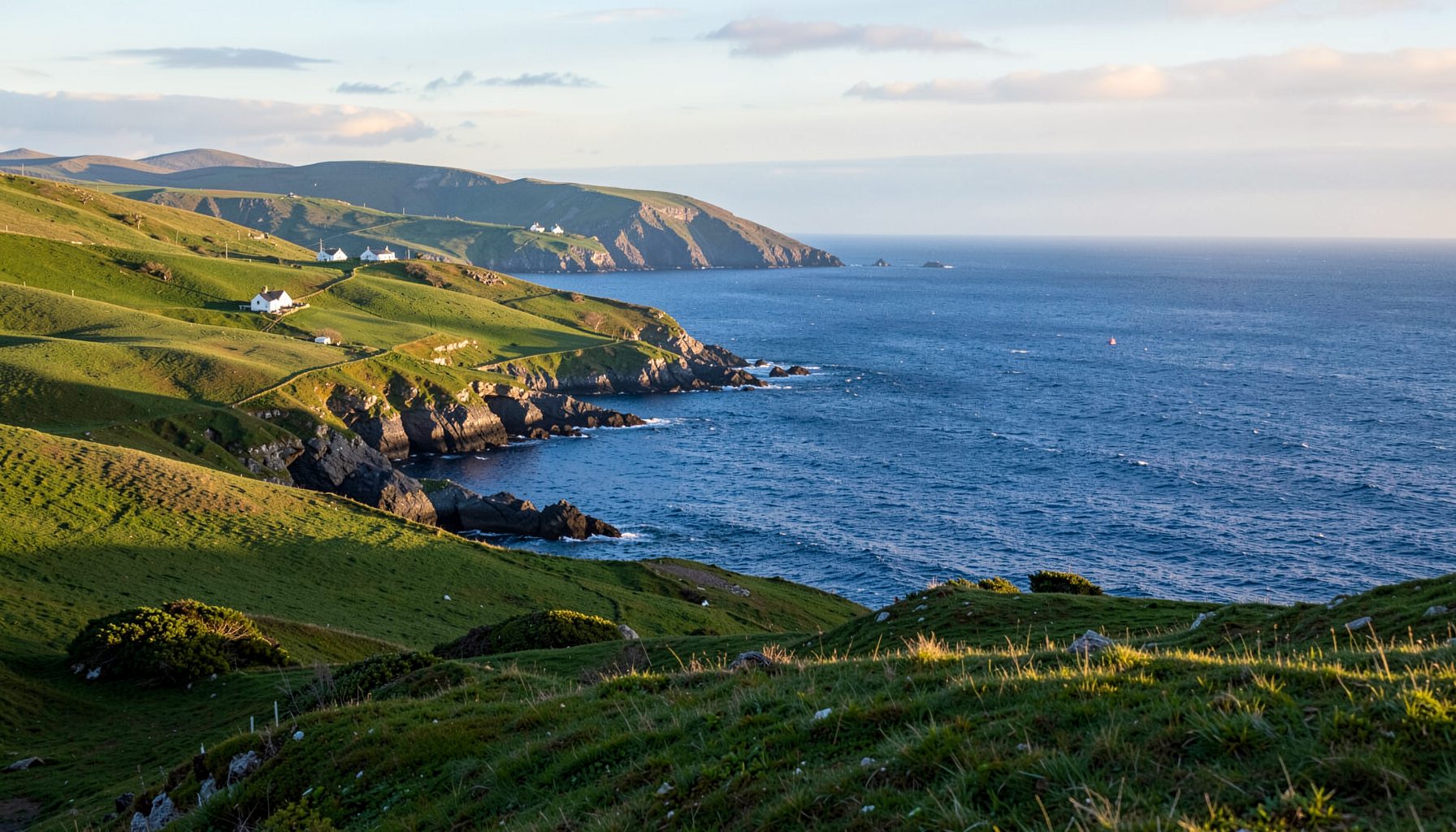
The landscape often informs the repertoire and the conversation. The Skellig Islands, Valentia Island, the Atlantic coast, fishing communities and the peninsula’s heritage all form part of the local cultural setting. A session is not a museum display, however. It is living music, shaped by the people present and by the relationships that have developed in the village.
Planning An Evening From Australia
Allow more time than a quick stop between attractions. Driving the coastal roads can take longer than a map suggests, particularly after rain, in darkness or behind slow-moving traffic. From Sydney or Melbourne, visitors may be accustomed to estimating travel by major road distances; on the Iveragh Peninsula, narrow lanes, bends and changing weather can make a short route feel substantial.
Choose a designated driver or arrange a taxi in advance if you plan to drink. Public transport options are limited in many rural areas, and late-night services should never be assumed. Keep a charged phone, carry the address of your accommodation and check whether a local taxi operates after the session ends.
The Australian dollar is not used locally, so allow for euro payments and check whether a small pub accepts cards. EFTPOS and contactless payments are common, but connectivity can be less reliable in remote coastal areas. Carrying a modest amount of cash is sensible, particularly when visiting a small village or attending a community event.
Australian customs around pub music can differ from the Irish setting. In cities such as Brisbane, Adelaide or Melbourne, live music may be ticketed, amplified and scheduled to the minute. A Skellig Coast session may have no cover charge, a later starting time and an informal finish. Staff may also observe Ireland’s licensing rules and responsible-service expectations, so follow the venue’s instructions.
Finding The Right Night
The ideal session depends on the kind of evening you want. A summer gathering can be busy and energetic, with walkers, touring visitors and local families sharing the room. A winter night may offer a deeper sense of place, especially when the weather keeps the gathering small and the music continues around a warm fire or quiet bar.
Ask about the character of the event before committing to a long drive. Some sessions focus strongly on traditional instrumental music, while others welcome popular songs and general live entertainment. A pub may advertise “live music” without meaning a formal traditional session, so a quick check can prevent disappointment.
Treat advertised times as a guide rather than a guarantee. Musicians may arrive after work, a set may begin later than expected, or an event may move to another venue. Local community pages and word of mouth are often more current than broad tourism listings. This flexibility is part of travelling through a living region rather than visiting a packaged attraction.
A good evening might begin with a coastal walk near Ballinskelligs or Portmagee, continue with dinner in a village pub and finish with a few tunes among local residents. It can add a human dimension to visits to Skellig Michael, the UNESCO World Heritage Site, and to the wider landscapes associated with the Ring of Kerry and the Star Wars filming locations.
Use local noticeboards, pub pages and community listings to find the next gathering along the Skellig Coast. Arrive respectfully, support the venue, listen closely and let the music unfold at its own pace. That simple approach opens the door to one of the region’s most genuine cultural experiences.