local markets and farm shops around the Ring of Kerry
The stretch of road looping around the Iveragh Peninsula feels a long way from a suburban shopping centre. For travellers used to browsing Queen Victoria Market in Melbourne or the weekend stalls at Brisbane's Powerhouse, the farm shops and small markets scattered along the Ring of Kerry offer something quietly familiar. Producers set up trestle tables, handwrite price tags, and pass across samples of cheese, smoked fish or fruit cake without a barcode in sight.
Most Australian visitors arrive expecting grand monuments and leave talking about lunch. The slow, deliberate pleasure of a Kerry market rewards the unhurried wandering that Australian food culture, from Adelaide's Central Market to Sydney's Carriageworks farmers' stalls, has long celebrated. You read the signs, ask the producer a question, and end up carrying a paper bag of treats back to the car.
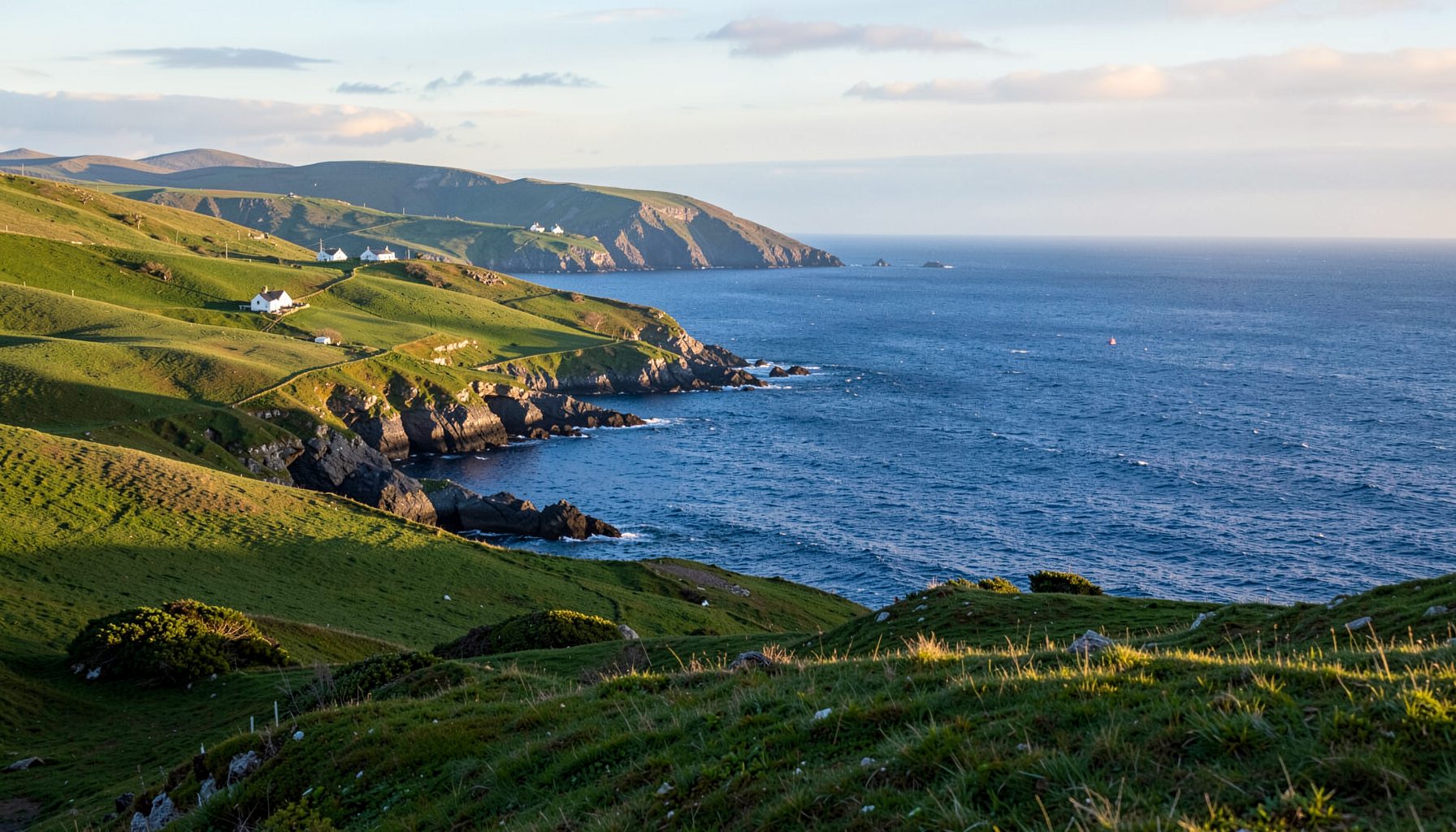
What makes the Ring of Kerry distinct is how markets and farm gates sit within a working landscape. Sheep walk the hills above the car parks, the Atlantic rolls in a few hundred metres away, and the same family that runs the B&B may also be the one pressing apple juice behind the stall. It is regional food culture that, for an Australian used to paddock-to-plate language, feels instantly recognisable in spirit, even if the names on the jars are unfamiliar.
A morning at a Kerry farmers' market
Markets on the Iveragh Peninsula follow the rhythms of small towns rather than tourism calendars. They cluster on weekend mornings, set up in car parks, town squares or, occasionally, in the yard of a working farm. Stallholders are usually the people who grew, baked, brewed or cured the goods on the table. Conversations wander from the weather to which cheese pairs with the local sourdough.
For visitors who grew up chasing the smell of fresh bread through Melbourne's South Melbourne Market or lining up for coffee at a Sydney paddock-to-plate brunch, the sensory overlap is strong. The same emphasis on seasonality, the same slightly chaotic layout, and the same gentle pressure to buy a little more than planned because the producer is standing right there.
Worth looking for at the stalls
- Slightly tangy farmhouse butter wrapped in greaseproof paper, often made within sight of where it is sold.
- Smoked salmon cut from fish landed on the nearby coast, sometimes paired with brown bread and a pickle.
- Apple juice pressed in autumn from orchards on the slopes above the inlet.
- Hand-sized fruit tarts, soda bread and other baked goods that rarely survive the drive home.
Cahersiveen, Kenmare and the weekly rhythm
Cahersiveen, where the River Fertha meets the bay, hosts one of the more established markets on the peninsula. It draws regulars from the surrounding farmland and visitors who have crossed the bridge from Valentia Island. Stalls of organic vegetables, free-range eggs and herbal teas sit beside trays of freshly shucked oysters and small jars of sea salt. The morning drifts into early afternoon, especially when a trad session kicks off at the edge of the square.
Further east, Kenmare brings a more polished feel. Its market has long been a favourite stop for those driving the Ring in either direction, carrying a recognisably Australian sensibility: a strong coffee cart, cured meats, olive oil from a nearby grower, and a few artisan producers selling preserves in small batches. A quick breakfast stop easily turns into a half-hour conversation about seaweed harvesting.
The smaller towns in between host their own quieter events. Sneem and Waterville run seasonal markets that feel more like community mornings than tourist attractions, where neighbours meet and visitors are welcomed without much fuss.
Sneem, Waterville and the village hall tradition
Away from the bigger market towns, the Ring of Kerry reveals a different kind of food culture. Many of the smaller farm shops operate from outbuildings, front gardens or low stone sheds that double as garages. There is rarely a sign bigger than a piece of painted timber. Customers leave cash in a tin, write their own receipt, or knock on the farmhouse door.
This low-key approach echoes the honesty-box roadside stalls familiar from parts of rural Tasmania or the back roads of the Southern Highlands. The expectation is the same: take what you need, pay what is asked, treat the place with respect. The result is a shopping experience that feels almost personal, even for someone passing through for a single afternoon.
Sneem has built a reputation around craft, with knitwear, pottery and small-batch jams often appearing in the same room. Waterville, looking across at the Bullogue peninsula, leans towards traditional baking and cured fish, much of which is sold directly from the producer's kitchen.
Farm gates, honey stalls and the Skellig pantry
The Skellig Coast region, running from Kells through Cahersiveen on to Castlecove, is where farm shopping becomes most personal. Drive slowly along the secondary roads and small signs appear at gates: free-range eggs, raw milk by prior arrangement, honey from the heather hills. The Atlantic wind keeps the bees working, the seaweed feeds the soil, and the cooler climate gives vegetables a longer, sweeter growing season.
Many of the producers here belong to a wider network connecting farms, food initiatives and community groups along the peninsula. Visitors interested in the people who shape this stretch of coast can learn more about the coastal communities and growers who keep the small food economy alive.
The produce itself leans towards robust, unfussy food that survives a long car journey. Hard cheeses, cured meats, oatcakes, jams, herbal tinctures and vacuum-packed smoked fish all travel well back to a holiday rental. A small bag of local sea salt, picked up almost as an afterthought, often turns out to be the souvenir used most when travellers finally unpack at home.
What Australian travellers tend to love about Kerry produce
There is a particular pleasure, after weeks of familiar supermarket brands, in tasting food that tastes of a specific place. The butter is noticeably yellower, the bread often heavier, and the cheese sharper than many Australian equivalents. Travellers who know the difference between a Tasmanian cloth-bound cheddar and a Victorian farm-house blue find themselves on familiar ground, even if the labels are new.
The sweet side surprises many visitors. Irish baking has a quiet confidence: fruit loaves dense with dried fruit, scones that crack rather than crumble, tarts made with whatever berries are in season. For Australians raised on lamingtons and pavlovas, the flavour vocabulary differs but the enjoyment is the same. A packet of oat biscuits and a jar of blackcurrant jam often find their way home as gifts.
Drink choices also reward the curious. Small cider producers, traditional mead makers and craft breweries have all found a home on the peninsula. Some operate as farm-gate shops with tasting rooms attached, others sell through local markets, and a few keep irregular hours that make finding them feel like a small adventure.
Planning a market day on the Ring of Kerry
A market morning on the Ring works best when treated as a slow activity rather than a quick stop. Most markets wind down by early afternoon, and the roads between towns can be slower than expected. Starting early, choosing one or two stops rather than racing between all of them, leaves room for the small detours that often turn out to be the best part of the day.
Useful items for a market-day drive
- A cool bag or small esky, particularly in warmer months when cheese and fish need to stay cool.
- Cash in small notes and coins, since many stalls do not take cards and certainly not tap payments.
- A couple of sturdy reusable bags, echoing the BYO bag habit familiar to Australian shoppers.
- A flask and a foldable cup, useful when a coffee cart appears and queues form quickly.
The reward for this kind of gentle planning is a clearer sense of how the peninsula feeds itself. Each jar of honey, loaf of bread or wedge of cheese carries a small story about who lives here, what the land allows, and why the pace of shopping has stayed deliberately slow. It is a side of the Ring of Kerry that stays with visitors long after the road signs have faded into the rear-view mirror.
Plan a morning around the next Cahersiveen or Kenmare market, leave space in the boot, and let the Skellig Coast reveal itself one stall at a time.