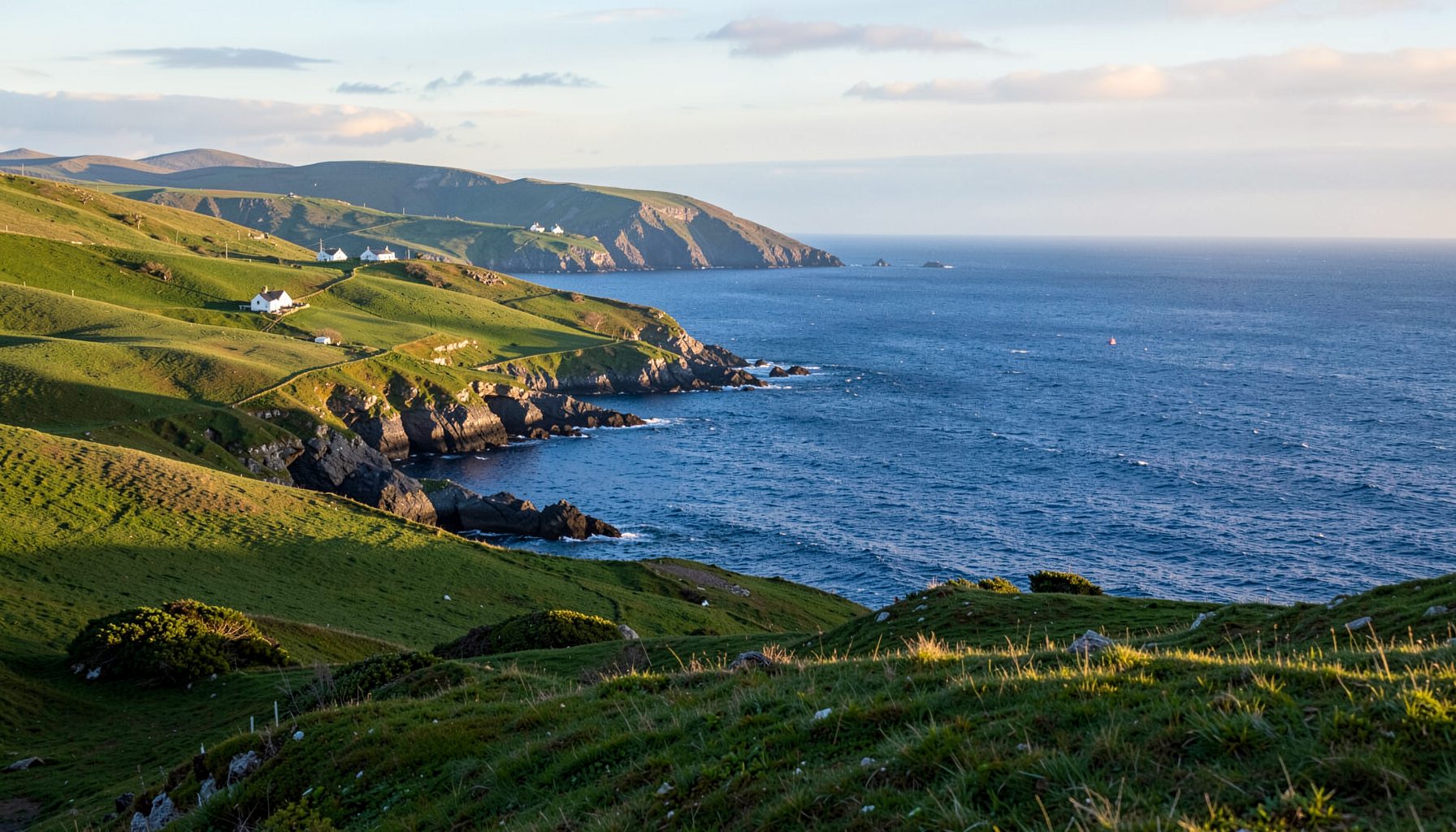
A Local Pour Through the Skellig Coast
The Skellig Coast is best known for Atlantic scenery, stone-built heritage and the dramatic outline of Skellig Michael, yet the region also has a growing drinks culture. Small-batch gin, whiskey, vodka, lager and ale connect modern producers with the landscape around Cahersiveen, Valentia Island, Waterville, Kenmare and the wider Iveragh Peninsula.
A visit to a local brewery or distillery offers more than a tasting flight. It can reveal how sea air, mountain water, local botanicals, farming traditions and a strong community spirit influence what is made here. Some producers have dedicated visitor facilities, while others are best experienced through selected pubs, restaurants, bottle shops and seasonal events.
The distances between villages can be deceptive, especially on the winding roads of the Ring of Kerry. Treat the following producers and nearby venues as part of a regional trail rather than a single afternoon itinerary. Always check current opening hours, tour availability and transport arrangements before setting out.
Skellig Six18 And The Spirit Of Iveragh
Skellig Six18 Distillery in Cahersiveen is the most direct starting point for anyone interested in spirits on the Skellig Coast. Its name refers to the 618 steps traditionally associated with the climb to the monastery on Skellig Michael, linking the brand to one of the peninsula’s defining landmarks. The distillery produces gin and other spirits while developing an Irish whiskey programme.
The visitor experience explains the stages behind distillation, from the selection of ingredients to fermentation, copper still work and maturation. Tastings provide an opportunity to compare the character of different spirits and understand how a producer can build a distinctive identity around place. Because products and tour formats may change, visitors should confirm what is available on the day.
Cahersiveen makes a practical base for exploring the wider area. Pair a distillery visit with the Old Barracks, the Daniel O’Connell Memorial Church, a walk along the shoreline or a trip towards Valentia Island. For a broader sense of the region’s setting, the best Skellig views can help connect the name on the bottle with the coast beyond the tasting room.
Beer, Ale And The Wider Kerry Scene
The craft beer scene in Kerry is spread across several towns rather than concentrated in one brewing quarter. Killarney Brewing & Distilling Company is one of the best-known nearby names, producing beers alongside spirits and operating a visitor experience in the Killarney area. Its beers are commonly encountered in pubs and restaurants across the county, making them a useful choice for visitors who cannot fit in a brewery tour.
Killarney is outside the immediate Skellig Coast, but it is a frequent arrival point for people travelling the Ring of Kerry. A stop there can complement a westward journey towards Glenbeigh, Killorglin, Cahersiveen and Waterville. Smaller independent breweries and rotating guest taps may also appear in local hospitality venues, so the most current information is often found on pub menus and producer announcements.
Beer styles vary from crisp lagers and pale ales to hop-forward IPAs, red ales and darker seasonal releases. Sampling a local beer with seafood, farmhouse cheese or hearty Kerry cooking can make the experience more rooted in the area than treating it as a standard tasting exercise.
How To Read A Regional Tasting
A craft beverage reflects many decisions before it reaches the glass. Water chemistry affects brewing and dilution, yeast shapes fermentation, grain and malt provide structure, while botanicals, cask types and maturation influence a spirit’s aroma and finish. Producers may also draw on local ingredients such as heather, gorse, sea buckthorn, herbs or citrus, although availability depends on the individual recipe.
The landscape itself should not be treated as a flavour guarantee. A bottle made in a coastal town does not automatically taste of the sea, and a whiskey matured near the Atlantic is not necessarily finished with obvious maritime notes. Instead, ask staff about the real production choices: where ingredients come from, how long a spirit rests, whether a beer is filtered, and which releases are seasonal.
A useful tasting sequence starts with appearance and aroma, followed by a small sip and a pause. Notice sweetness, bitterness, heat, acidity, texture and length. Water can open some high-strength spirits, while beer is best sampled at a suitable serving temperature rather than straight from an ice-cold refrigerator.
Producers And Experiences At A Glance
The options below represent different ways to explore the drinks culture around the peninsula and nearby Kerry routes. Availability, menus and visitor arrangements can change, so this is a starting point for planning rather than a fixed timetable.
| Producer or setting | What to look for | Where it fits into a day |
|---|---|---|
| Skellig Six18 Distillery | Irish gin, spirits and whiskey development | Cahersiveen, Valentia and central Iveragh |
| Killarney Brewing & Distilling Company | Craft beer, spirits and a larger visitor experience | Arrival or departure through Killarney |
| Independent pubs and restaurants | Local taps, guest beers and Irish spirits | Villages across the Ring of Kerry |
| Specialist shops and food venues | Bottled releases, gift packs and regional pairings | Flexible option when tours are unavailable |
| Seasonal festivals and community events | Tastings, producer talks and limited releases | Best checked through current local listings |
The distinction between a brewery tour and a pub tasting matters. A tour usually focuses on equipment, ingredients and production, while a pub or restaurant offers a broader comparison of brands. A well-curated local drinks menu may include a regional gin, a Kerry beer, Irish whiskey and traditional cider in one sitting.
Planning A Responsible Drinks Trail
Driving is the first practical consideration. The Skellig Coast includes narrow roads, steep bends and exposed sections where weather can change quickly. Anyone sampling several products should nominate a non-drinking driver, use a taxi where available, or arrange a guided transfer. Spitting during a formal tasting may also be possible, but it should never be assumed.
Opening patterns can be seasonal, particularly outside the busiest summer months. Some visitor centres require advance booking, and production spaces may close during private events or operational days. Contact the producer directly before travelling, and allow time for delays caused by traffic, ferries, road works or scenic stops.
A responsible itinerary might include one formal tasting followed by a meal, rather than several full-strength sessions. Many venues can offer smaller pours, alcohol-free alternatives and food pairings. These choices make it easier to appreciate the craft while keeping the rest of the day comfortable and safe.
Pairing Local Drinks With Place
Food is one of the simplest ways to understand a regional drink. A dry gin can work well with smoked fish, shellfish or fresh herbs, while a malty ale may suit beef, lamb, mature cheese or brown bread. Whiskey is often enjoyed slowly after a meal, though chocolate, apple tart and hard cheese can bring out different flavours.
The setting also shapes the experience. A pint after a coastal walk in Waterville, a carefully served spirit near Cahersiveen or a bottle bought for an evening on Valentia Island each tells a different story. The drink becomes part of a wider day involving beaches, archaeological sites, village streets, music sessions and views across the Atlantic.
Visitors should support small producers thoughtfully. Buy directly where possible, follow tasting-room rules, and choose products that can be carried home safely. A bottle, branded glass or local food pairing can be a more meaningful souvenir than an item with no connection to the place.
Make The Most Of A Tasting Visit
- Book ahead for distillery tours, especially during summer, bank holidays and festival weekends.
- Check whether the venue offers food, alcohol-free choices, accessible facilities and suitable transport connections.
- Keep a note of favourite beers or spirits, including the producer, style, strength and tasting impressions.
- Combine a drinks stop with nearby heritage or outdoor activities instead of rushing between distant venues.
- Purchase sealed products only when you can transport them securely and comply with airline or ferry restrictions.
The local drinks scene is still developing, which is part of its appeal. Visitors may encounter established labels, experimental releases, guest beers and new collaborations as the region’s producers continue to grow. Ask local staff what is fresh, seasonal or particularly connected to the area rather than relying only on a pre-set list.
Plan a tasting stop around Cahersiveen, include a nearby brewery experience when your route allows, and leave space for the landscape that gives the Skellig Coast its character. Check current producer information before travelling, then raise a glass responsibly to the people, stories and communities of Iveragh.