Lighthouses of the Skellig Coast: Skelligs, Valentia and Cromwell Point
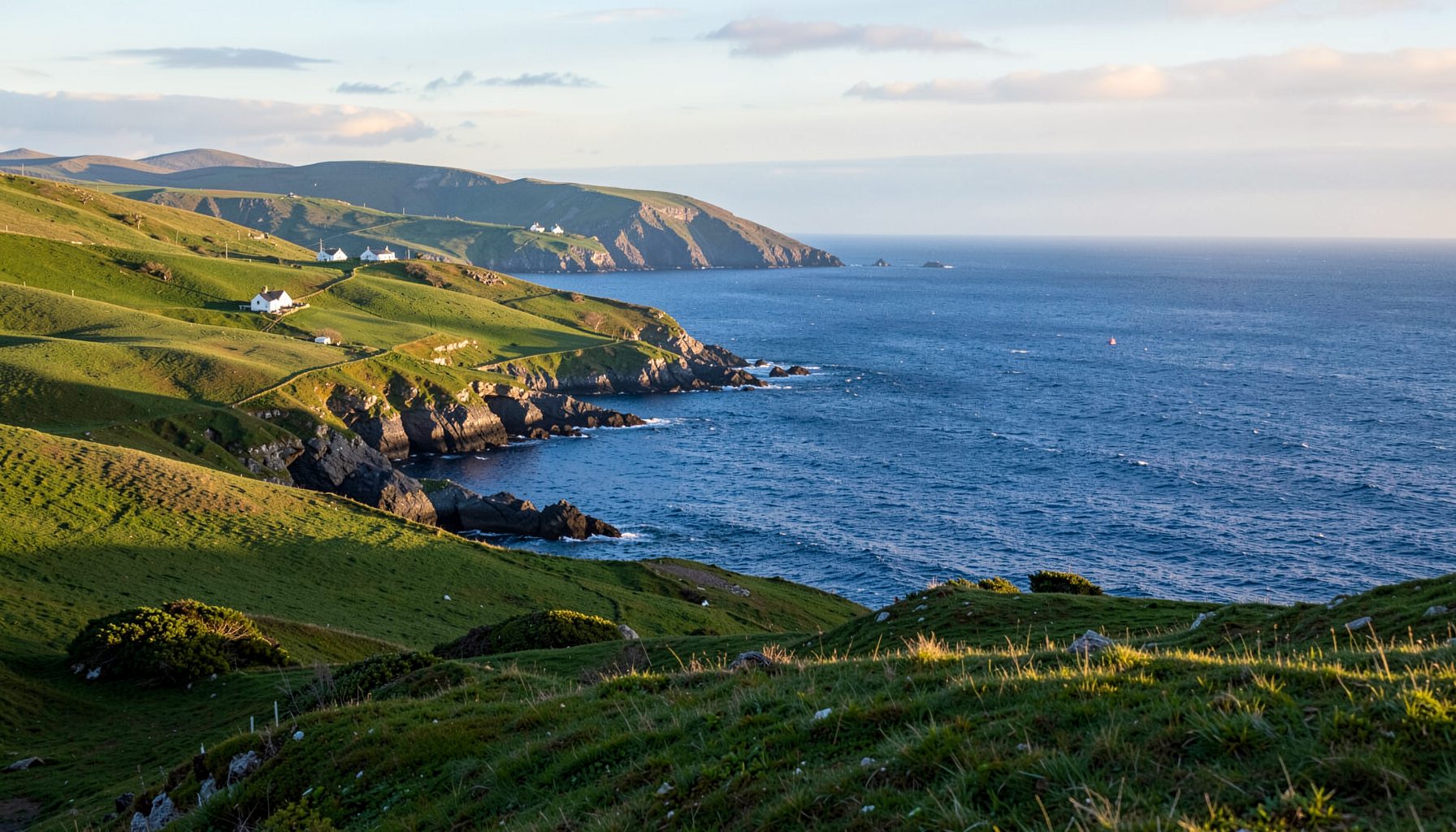
The Skellig Coast stretches along the southwestern edge of Ireland's Iveragh Peninsula, where Atlantic swells crash against cliffs that harbour some of the country's most iconic sentinels. For travellers tracing the Ring of Kerry, the beacons that pierce the mist off Kells, Valentia and the harbour at Cromwell Point form a thread of heritage that has guided mariners for more than a century and a half.
Australians planning a visit to Ireland often compare the rugged coastline of County Kerry with familiar shores at home, from the granite headlands of Wilsons Promontory in Victoria to the wild cliffs of Cape Byron on the New South Wales north coast. Both landscapes share a maritime vigilance: where Australians navigate by the head of Cape St George near Wollongong or the towers of Cape Otway, Irish sailors once relied on lights built into impossible rock faces. The connection resonates with many in Melbourne and Sydney who appreciate that lighthouses are not merely functional but represent cultural memory on a grand scale.
Three lights stand out along this stretch: the offshore Skelligs lighthouse perched on a rocky island, the elegant tower on Valentia Island, and the squat, fortified beacon at Cromwell Point within Valentia Harbour. Each tells a different chapter of the same story: engineering ambition, the dangers of the Atlantic, and the communities that grew around them.
This guide follows those chapters, drawing on regional history and the practicalities of visiting today. It also points towards further reading on the broader heritage of the area for those who want to step beyond the beacons themselves.
The Beacon of Skellig Michael
Few lighthouse locations in the world are as dramatic as the tower that crowns the smaller of the Skellig islands, often called the Skelligs Lighthouse. It sits on the rocks between Skellig Michael, the UNESCO monastery island famous for its beehive huts and its appearance in the Star Wars films, and the neighbouring rock where the light was built in 1966. The original structure on Skellig Michael had been lit as a beacon much earlier, but the modern tower replaced earlier workings and continues to serve shipping lanes today.
Reaching the lighthouse is impossible for most visitors, yet boats departing from Portmagee reveal its profile against the sky as they pass towards the monastery. The tower rises thirty-four metres above the rock, and its automated beam reaches well beyond the horizon. Photographers, including many Australian travellers who arrive with telephoto lenses in spring and summer, capture the silhouette as one of the most photographed structures in Ireland.
Valentia Island Lighthouse
On the northern tip of Valentia Island stands the Valentia Island Lighthouse, also known as Cromwell Point lighthouse in some older accounts, although the Cromwell Point light is the harbour structure covered later. The Valentia light began service in 1841 at Cromwell Point, but the present granite tower at Foilhomuerum Bay on the western tip of the island dates from 1839 and was relocated and rebuilt into its iconic shape. Today it remains operational and welcomes visitors to its grounds and the adjacent former keepers' dwellings.
The Valentia light marks the southern entrance to the harbour, and from its terrace the views sweep across to the Skelligs and the open Atlantic. Many Australians book a small group tour that includes a visit to the lighthouse on a half-day excursion from Cahersiveen. The site is also connected to the story of the transatlantic cable: Valentia was the European terminus of the first permanent transatlantic telegraph cable, completed in 1866, which links it tangentially to global communications history.
Cromwell Point Fort and Light
At the southern side of Valentia Harbour sits the Cromwell Point Lighthouse, a stout little structure inside the old military fort constructed to repel the feared invasion of Napoleonic times. The fort's battery was built around 1814, and the lighthouse that grew out of it has guided fishing boats and ferry traffic into the harbour for generations. It now operates as part of a heritage visitor attraction with small museum displays in the former gunrooms.
Cromwell Point is easily reached on foot from the village of Knightstown by crossing the bridge onto the island or by a short ferry ride in summer. The location offers a calmer alternative to the Skelligs boat trip and rewards visitors with views of fishing vessels, ferry traffic to the mainland, and the slow rhythm of Valentia's sheltered harbour.
Maritime Heritage and the Keepers
The lives of the lighthouse keepers who served these towers remain a central part of the story. On the Skelligs, keepers and their families lived in extraordinary isolation, with supplies hauled up the cliff on ropes during summer months and the men enduring long winters with radio contact only. The communities of Valentia Island and the mainland villages of Portmagee and Cahersiveen supported the lights with provisions, fuel, and the social fabric that made the postings bearable.
Today the keepers' cottages at Valentia have been restored and some serve as holiday accommodation, echoing a similar trend in Australia where former keepers' homes at locations including Cape Otway in Victoria have become boutique stays. Both countries inherited a Victorian-era lighthouse tradition, and the parallels give Australian visitors a useful reference point for understanding the buildings they encounter in Kerry.
Visiting the Lighthouses Today
Practical planning is straightforward for those travelling from Australia. Most international flights arrive at Dublin or Cork, with Cork being the closer gateway at roughly three hours' drive to Cahersiveen via Killarney. Travellers from Sydney or Melbourne usually route through London, Dubai or Doha, with Emirates and Qatar Airways offering one-stop options that arrive at Shannon in around twenty-two hours. Australian Consumer Law guarantees covered by the ACCC apply to the contracts you sign with Australian travel agents, so booking through a registered agency offers an added layer of protection.
Within Ireland, driving on the left feels familiar to Australians, and rental cars are the most flexible option. Visitors should note that the Skelligs landing itself depends on weather, and boat operators at Portmagee follow strict Irish Coast Guard criteria. A reasonable amount of time to allocate is two to three nights in Cahersiveen or Valentia to allow for weather delays. For those researching the broader culture of the Skellig Coast, including its learning hubs and community events, the regional information page at about the Skellig Coast offers a starting point for further reading.
Comparing the Three Lights
A side-by-side view helps travellers prioritise which lights to seek out. The following summary highlights the main differences.
| Feature | Skelligs Lighthouse | Valentia Island Lighthouse | Cromwell Point Lighthouse |
|---|---|---|---|
| Location | On a rock between Skellig Michael and the smaller islet | Western tip of Valentia Island at Foilhomuerum Bay | Southern side of Valentia Harbour |
| Year first lit | 1966 (modern tower) | 1839 (present tower) | 1814 (fort); light added later in the 19th century |
| Tower height | Approx. 34 m | Approx. 21 m | Short tower, lower profile |
| Visitor access | View only by boat | Grounds open to visitors | Open as heritage attraction with museum |
| Best for | Photography from boat | Coastal views, cable history | Family-friendly stop, harbour atmosphere |
Each light rewards a different kind of visitor. The Skelligs call for an adventurous day at sea, Valentia combines natural beauty with a tangible sense of history, and Cromwell Point delivers a quieter, more domestic encounter with the maritime past.
Lighthouses of the Skellig Coast continue to guide mariners and inspire travellers. For Australians weighing an Ireland trip, the three lights described here offer a manageable introduction to the Ring of Kerry without committing to long-distance touring. With careful planning around weather, transport and accommodation, they reward a visit that lingers long after the journey home. Book accommodation in Cahersiveen or Valentia early for the summer months, choose a small-group boat operator for the Skelligs, and pair the Cromwell Point visit with a meal at a Valentia harbour café. Walk the Valentia cliffs in the late afternoon when the light softens, and you will understand why these towers have earned their place in Irish memory.