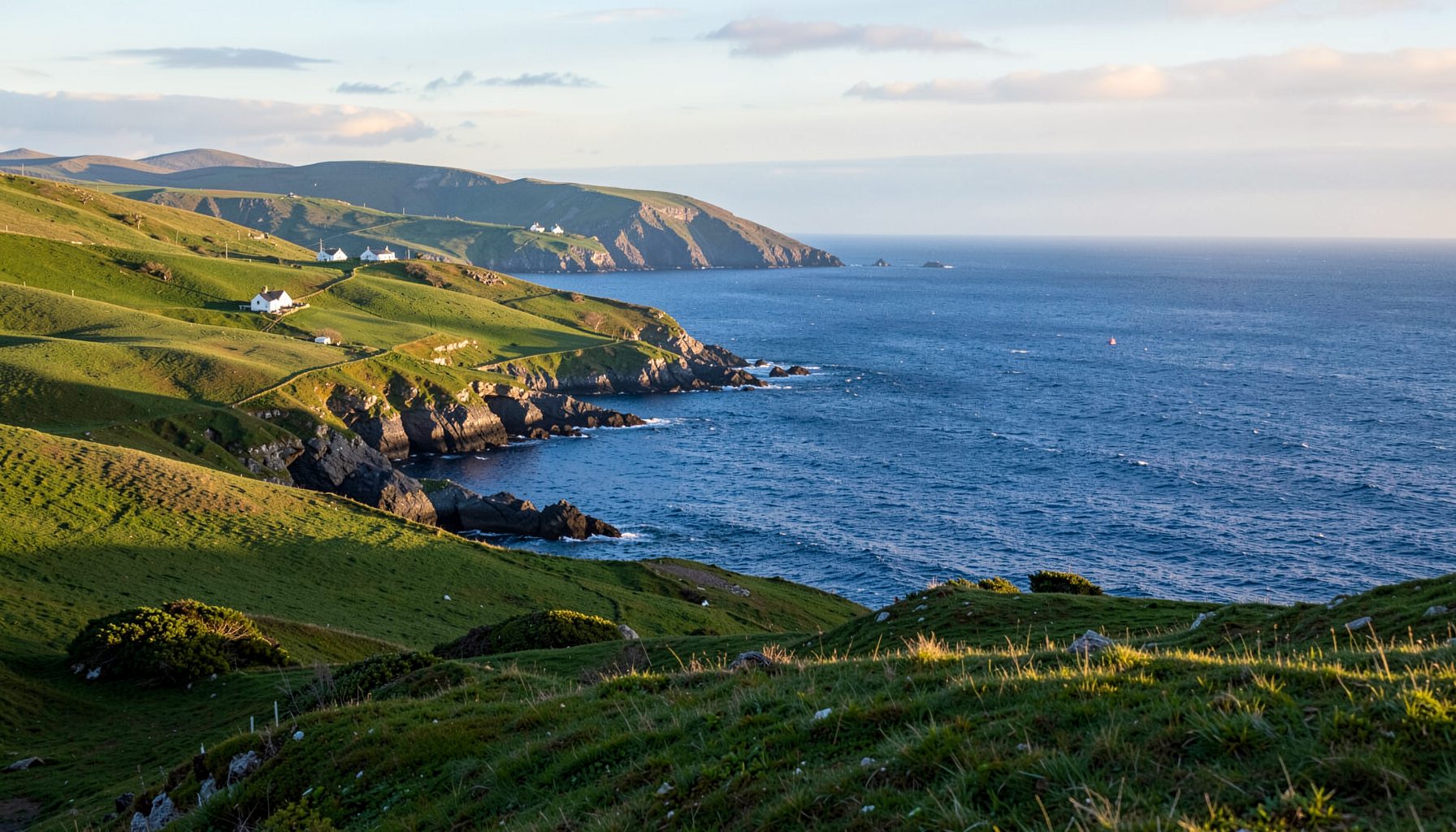
A Guide To Kayaking Along The Iveragh Coastline
The Iveragh Peninsula offers a varied sea-kayaking landscape along County Kerry’s Skellig Coast. Quiet bays, rocky headlands, offshore islands, sheltered inlets and open Atlantic water create routes suited to different levels of experience. The coastline between Kells, Valentia, Portmagee, Waterville, Caherdaniel and Castlecove is beautiful, but conditions can change quickly.
This guide is intended for independent paddlers, families planning a guided outing and visitors building a coastal activity into a wider Ring of Kerry itinerary. It focuses on route character, launching considerations, safety and local etiquette rather than fixed itineraries, because tides, swell, wind and access arrangements can alter the best option from one day to the next.
Choosing A Section Of Coast
Kells Bay is a useful starting point for paddlers seeking a gentler introduction to the area. The bay provides views across the water towards the Iveragh hills and can offer more manageable conditions than exposed headlands. It is still a tidal sea environment, so beginners should stay close to shore and avoid treating a calm morning as a guarantee of calm conditions later.
Further west, the coastline becomes more varied around Valentia Island and Portmagee. Short crossings, rocky shorelines and island passages create plenty of interest, although they require stronger navigation skills than a simple sheltered-bay paddle. A qualified local guide is a sensible choice for visitors unfamiliar with Irish tides or Atlantic weather.
Valentia Island And Portmagee
The waters around Valentia Island can provide memorable day paddles, with cliffs, sea caves, headlands and views towards the Skellig Islands. Knightstown and nearby coastal areas may suit exploratory outings when conditions are settled. Routes should be planned around the actual launch point, since not every attractive shoreline has suitable public access for kayaks.
Portmagee is closely associated with trips towards Skellig Michael, but a kayak journey in this area needs careful judgement. The open-water distance, tidal streams, swell and boat traffic can make a route demanding. Skellig Michael is a UNESCO World Heritage Site, and landing access is controlled; paddlers should never assume they can land, climb or explore the island independently.
The waters around the Skelligs are also important for seabirds and marine wildlife. Keep a generous distance from nesting birds, seals and other animals, avoid cutting across groups of feeding birds, and follow any seasonal restrictions or instructions from local authorities and operators.
Ballinskelligs And Waterville
Ballinskelligs Bay is one of the more appealing areas for a coastal paddle when wind direction and swell allow. The broad bay, beach, ruined heritage sites and views towards the surrounding mountains give the route a strong sense of place. Launching from a beach requires attention to surf conditions, particularly when returning, as a small swell can become awkward for an unfamiliar paddler.
Waterville offers access to a dramatic section of the coast, with rocky points and long views along the Atlantic edge. Experienced paddlers may use the area for longer outings, while less confident visitors can look for a short, guided trip close to shore. Ask locally about current launch conditions rather than relying on an old online route description.
For Australians, this coast can feel different from familiar paddling areas around Sydney Harbour, Melbourne’s bays or the calm sections of the Swan River. Irish daylight, wind and water temperatures can change the practical difficulty of a route. A warm, bright afternoon does not mean the water is warm enough for casual clothing or an unplanned swim.
Derrynane And Caherdaniel
The coast around Derrynane and Caherdaniel includes beaches, small coves and islands that can reward careful exploration. Derrynane Bay is often attractive for a shorter outing, particularly for paddlers who want a scenic route without committing to a long exposed crossing. Local access and parking arrangements may vary, especially during the busy summer season.
Caherdaniel’s shoreline combines natural scenery with historic landmarks and quiet inlets. Paddlers should keep clear of swimmers, moorings and rocky shallows, and should leave sufficient room to turn back before weather deteriorates. A route that appears short on a map can take much longer when paddling against wind or a rising tide.
These locations are also connected to the wider heritage of the Skellig Coast. A kayak trip works best when it complements time on land: visiting local heritage sites, walking short coastal paths and supporting village cafés, shops and activity providers.
Castlecove And Short Coastal Outings
Castlecove marks another appealing area for shorter sea-kayaking excursions. The shoreline includes small beaches and rocky coastal scenery, but the open Atlantic remains close. Launching from a sheltered-looking cove does not remove the need to check the forecast, tide tables and likely swell direction.
Short out-and-back routes are often more practical than attempting to link several villages in a single day. They allow paddlers to adjust their plans if wind rises, visibility drops or a landing point is busier than expected. This approach is especially useful for visitors carrying rented equipment or travelling with children.
Australian visitors may be accustomed to early starts for outdoor activities, particularly in summer when beaches and car parks become busy. The same habit works well here. An early departure can provide quieter water, easier parking and more time to return before an afternoon wind strengthens.
Weather, Tides And Equipment
The Irish Atlantic coast demands a conservative approach to weather. Check a marine forecast, wind direction, swell height, visibility and tide times before launching. Forecasts from Met Éireann are useful, while local guides, harbour users and kayak providers can explain how conditions behave around particular bays and headlands.
A sea kayak, paddle, correctly fitted buoyancy aid, whistle, waterproof communication device and suitable clothing should be considered basic equipment. A wetsuit or dry suit may be appropriate depending on the season and route. Carry spare layers in a dry bag, along with water, food, sun protection, a first-aid kit and a method of securing the kayak during breaks.
Australian paddlers may already own high-quality dry bags, rash vests and reef-safe sunscreen from the local outdoor market. Those items can be useful, but Irish water temperatures and wind chill call for more insulation than many warm-weather outings in Queensland or Western Australia. Check that imported or familiar equipment is suitable for cold-water immersion and local conditions.
Irish regulations and safety guidance should be checked before departure. Requirements can depend on the craft, activity and location, while access rules may apply at beaches, wildlife sites and heritage properties. Australian lifejacket legislation also varies between states and territories, so visitors should not assume that equipment habits from Brisbane, Adelaide or Perth automatically meet Irish expectations.
Planning A Responsible Paddle
A responsible route begins with a realistic assessment of skill, fitness and group experience. Novices should choose sheltered water and use a qualified instructor, while more experienced paddlers should still consider a local guide for exposed crossings or unfamiliar tidal passages. Tell someone on land where you are going and when you expect to return.
Avoid blocking slipways, private driveways or working harbour areas. Park considerately, keep gates clear and take all rubbish with you. The villages along the Iveragh Peninsula rely on a combination of tourism, fishing, farming and community services, so respectful behaviour makes a genuine difference.
The local market is smaller than the large coastal recreation markets found in Sydney or Melbourne. Equipment hire, guided trips and replacement items may have limited availability outside the main season. Book specialist services ahead, carry essential personal gear and budget in euros rather than assuming Australian-dollar prices will translate neatly once transport and seasonal demand are included.
Practical Recommendations For Your Route
Use these principles when choosing and preparing for a coastal paddle:
- Begin with a sheltered bay such as Kells Bay, Derrynane or Ballinskelligs before attempting exposed coastline or island crossings.
- Check Met Éireann forecasts, tide information and local advice on the morning of departure.
- Wear a properly fitted buoyancy aid and cold-water clothing, even during sunny weather.
- Arrange a guided trip for Skellig Coast crossings, wildlife-sensitive areas or any route beyond your experience.
- Build in time for heritage visits, local businesses and a safe return rather than chasing distance.
A route should be abandoned or shortened without hesitation when the wind rises, visibility worsens or the group becomes tired. The coastline will still be there on another day, and a flexible plan is usually the most enjoyable plan.
The best kayak journeys on the Iveragh Coastline combine careful preparation with curiosity. Paddle within your ability, respect wildlife and local communities, and allow time to experience the villages and heritage that make this part of Kerry distinctive. Check current access and weather information through Skellig Coast resources and local providers before setting out, then make your next coastal adventure part of a wider visit to the Skellig Coast.