Kayak and SUP Hire Along the Skellig Coast
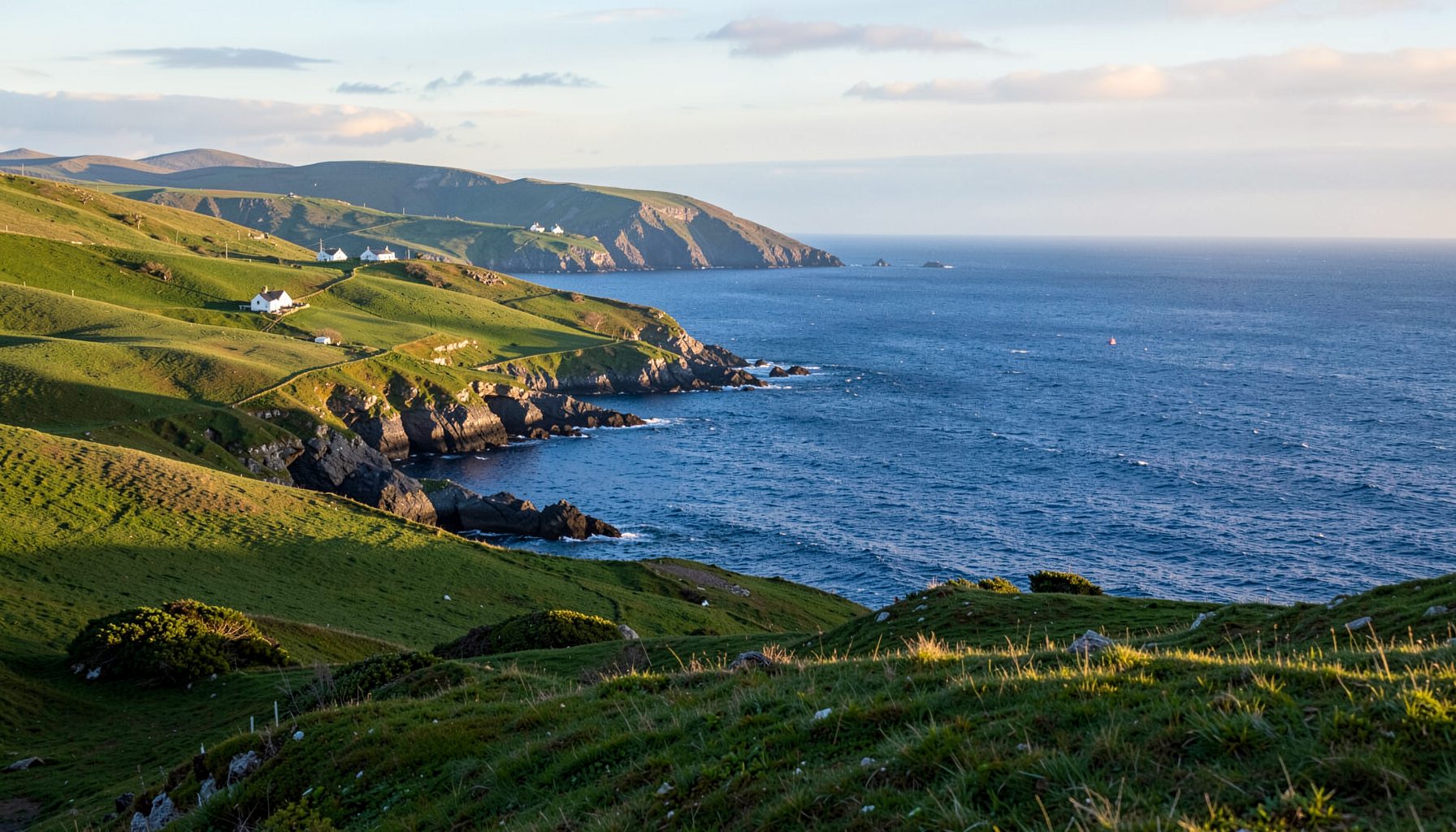
The Skellig Coast offers a memorable setting for a paddle, with sheltered bays, rocky headlands, clear water and views towards the Skellig Islands. From Kells to Castlecove, visitors can find opportunities for sea kayaking and stand-up paddleboarding, either through organised outdoor programmes or local rental providers operating from suitable launch points.
For Australian visitors, the experience may feel different from a morning paddle on Sydney Harbour, the Mornington Peninsula or the Gold Coast. Irish Atlantic conditions can change quickly, daylight varies significantly by season, and many beaches are natural, undeveloped spaces rather than fully serviced recreation areas. A little planning helps you choose the right craft, understand local conditions and enjoy the coastline respectfully.
Choosing between a kayak and SUP
A sit-on-top kayak is usually the easiest option for a first coastal outing. It offers a lower centre of gravity, a stable platform and the ability to keep paddling while seated. Double kayaks can be useful for couples, families or friends who want to share the work, although each person still needs to follow the guide’s instructions and maintain a steady rhythm.
A stand-up paddleboard provides a slower, more exposed way to experience the water. On calm mornings, paddlers can look into clear shallows, drift quietly past rocky edges and enjoy wide views across the bay. SUPs require balance and are more affected by wind, so beginners often start kneeling before standing. An introductory lesson can make the first session far less frustrating.
The best choice depends on more than fitness. Kayaks are generally better for a longer coastal route or a breezier day, while SUPs suit sheltered coves and calm water. If you are travelling with children, ask about minimum ages, weight limits, tandem options and whether an instructor stays with the group.
Finding a suitable launch point
Rental availability is connected to tides, weather and the practical needs of each coastal community. Some providers meet customers at a beach, while others operate from a harbour, activity centre or pre-arranged meeting point. Do not assume that every attractive cove has equipment for hire, parking, toilets or a nearby café.
Before booking, look at the location in relation to your wider itinerary. The local villages and towns can help you understand where communities sit along the coast and how a paddle might fit around visits to heritage sites, galleries, food businesses or walking routes. Allow extra time for narrow roads, photo stops and the slower pace of rural travel.
A rental operator should explain where to meet, how long the activity lasts and what happens if conditions deteriorate. Ask whether transport is included, whether dry bags are available and if changing facilities exist. In smaller places, bookings may be handled by phone or email rather than through a large online reservation system, so it is wise to arrange equipment before arriving.
Comparing rental options
Prices and inclusions vary according to the season, the type of craft and whether an instructor or guide is involved. A simple hourly hire may suit an experienced paddler who already knows the coast, while a guided excursion provides route planning, local knowledge and supervision. Families should compare the total cost rather than focusing only on the advertised adult rate.
| Rental option | Best suited to | Usually includes | Check before booking |
|---|---|---|---|
| Single kayak hire | Independent paddlers and short outings | Kayak, paddle and buoyancy aid | Launch location, duration and weather policy |
| Tandem kayak hire | Couples, families and shared paddling | Two-person kayak and safety equipment | Weight limit and steering arrangement |
| SUP hire | Calm bays and confident beginners | Board, paddle and leash | Wind exposure, instruction and board size |
| Guided kayak trip | Visitors unfamiliar with Atlantic conditions | Equipment, briefing and local guide | Route length, minimum age and cancellation terms |
| Introductory SUP session | First-time participants | Coaching, board and safety gear | Balance requirements and water temperature |
A guided tour may cost more than collecting a board independently, but it can offer better value when you are unfamiliar with tides or coastal navigation. Guides also know which areas should be avoided during a particular swell, where wildlife is likely to appear and how to approach sensitive shoreline habitats without causing disturbance.
For Australian travellers, compare prices in euros and check whether the quoted amount includes VAT, equipment and instruction. Card payments are common across Ireland, as they are in Melbourne and Brisbane, but a small rural provider may have different payment arrangements. Australian travellers should also remember that an overseas card can add a foreign transaction fee, so checking the final booking terms is worthwhile.
Preparing for Atlantic water
The Skellig Coast can look calm from shore while wind or swell is building outside a sheltered bay. Tides influence access to beaches, the space beneath rocky edges and the ease of returning to a launch point. Your operator should make the final decision about whether a session goes ahead, but participants still need to arrive prepared and listen carefully to the safety briefing.
Wear quick-drying layers rather than cotton, and bring a warm top for after the activity. Even in summer, Irish sea temperatures are cold compared with many popular Australian swimming spots. A wetsuit may be supplied or recommended, especially for SUP beginners who are more likely to fall in. A properly fitted buoyancy aid, leash and suitable footwear are essential parts of the equipment.
Australian habits around sun protection remain useful, even under Irish cloud. Pack sunscreen, sunglasses with a retaining strap and a hat for time on shore, while adding waterproof layers for rain and wind. During the Australian summer, visitors may be used to strong heat and early starts; on the Skellig Coast, the main concern can instead be rapidly changing Atlantic weather and cooler evenings.
Stay with the group, avoid paddling beyond the agreed route and never use a rental craft after drinking alcohol. Leave nesting birds, seals and other wildlife plenty of space. Do not land on fragile islets or remove shells, stones or seaweed. Local operators work within Irish maritime safety expectations and environmental responsibilities, while Australian visitors may recognise similar principles from state lifejacket and vessel rules in New South Wales, Victoria or Queensland.
Making the day work smoothly
Build your paddle around the coast rather than treating it as an isolated booking. A morning session can leave time for a heritage visit, a local market or a walk, while a late-afternoon outing may offer softer light but less flexibility if the weather changes. Check opening hours carefully: rural attractions and small food businesses may operate on seasonal schedules, especially outside July and August.
The local tourism market is smaller and more community-based than the commercial activity hubs around Cairns, Byron Bay or Noosa. That can mean personal service, quieter launch areas and guides with detailed knowledge of the coastline. It can also mean fewer spare boards, limited same-day availability and stricter cancellation arrangements when staff and equipment are already committed.
Australian school-holiday planning is useful when travelling with children, but Irish peak demand follows a different calendar and can intensify during summer weekends. Reserve popular guided trips early, particularly if your group needs tandem kayaks or a specific lesson time. If you are travelling in a campervan, confirm where it can be parked rather than assuming that a beach car park allows overnight stays.
What to pack and confirm
Before leaving your accommodation, keep the essentials simple:
- Quick-drying clothing, warm layers and a waterproof jacket
- Sun protection, drinking water and a small snack
- Secure footwear, sunglasses and a phone in a dry case
- Booking details, emergency contact information and payment card
Before launching, confirm these practical points with the provider:
- Meeting location, parking arrangements and changing facilities
- Craft type, session length and the minimum participant age
- Included wetsuit, buoyancy aid, leash, paddle and dry bag
- Weather cancellation terms and the latest safe return time
The Skellig Coast is a place for measured exploration rather than rushing from one attraction to the next. A kayak or SUP rental can reveal quiet corners that are difficult to appreciate from the road, while a local guide can connect the landscape with fishing traditions, island history and the living communities along the peninsula. Choose a provider that puts safety and conservation first, then allow the sea and weather to shape the pace of your day.
Browse local activity providers and community information before your visit, reserve the equipment that suits your experience, and make a coastal paddle part of your Skellig Coast itinerary.