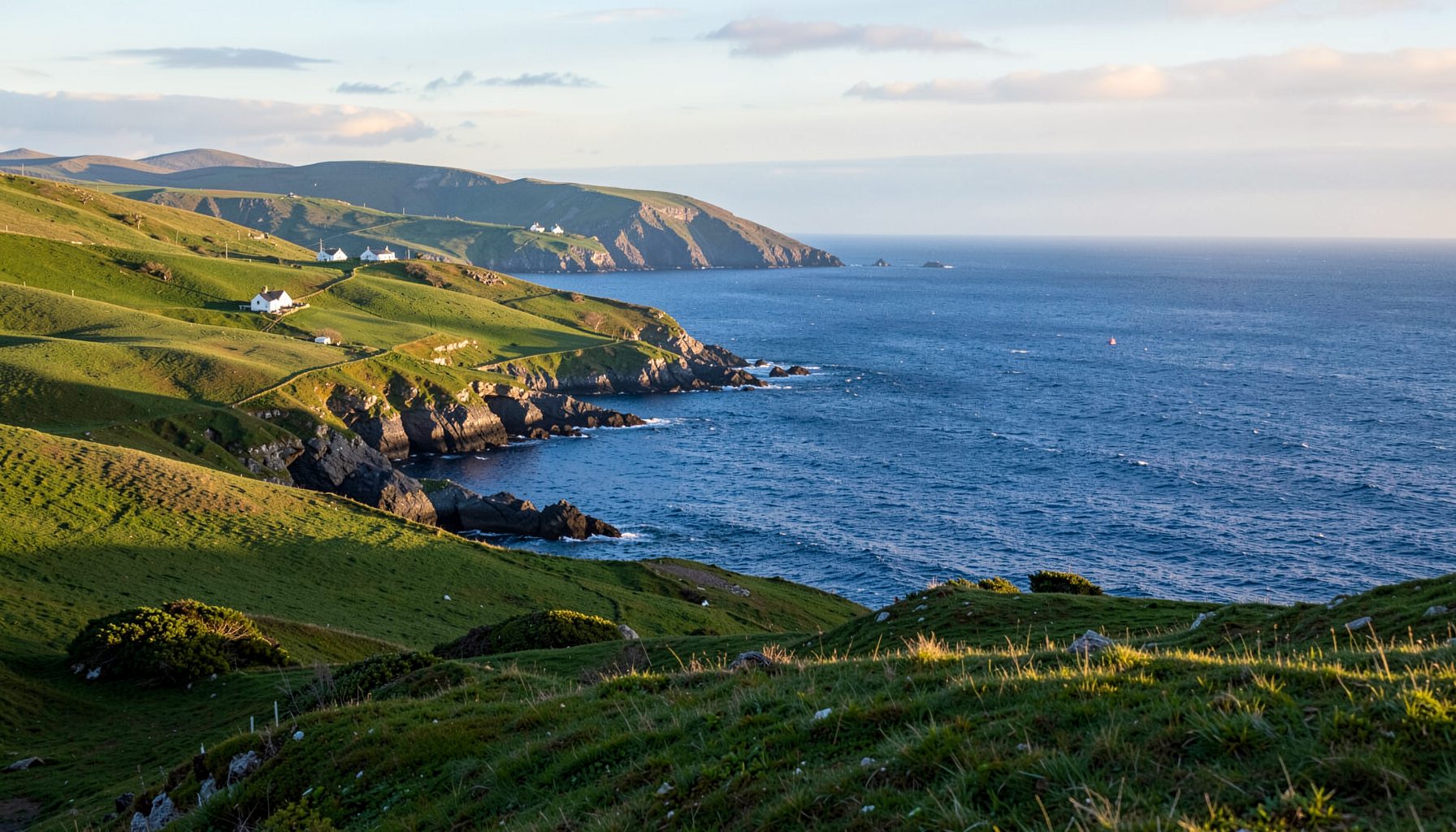
Evenings Along Ireland’s Skellig Coast
Evening entertainment in coastal villages has a different character from a night out in Sydney, Melbourne or Brisbane. Along Ireland’s Skellig Coast, stretching through the Iveragh Peninsula from Kells towards Castlecove, the night often gathers around music, conversation, local food and community life rather than large clubs or elaborate venues. A pub session may be the main event, while a village hall, gallery or outdoor programme can provide an equally memorable experience.
For visitors from Australia, the appeal lies in the scale and spontaneity of these evenings. You might begin with a walk beside Ballinskelligs Bay, stop for dinner in Waterville, hear traditional music in Caherdaniel, and finish beneath a remarkably dark sky. Plans matter, though, because distances are rural, public transport is limited and entertainment schedules can change with the season.
What An Evening Usually Looks Like
Coastal villages on the Skellig Coast tend to offer relaxed social evenings rather than a fixed nightlife circuit. Pubs may serve as restaurants, music venues and meeting places at once. A quiet early evening can turn lively when musicians arrive, but the timing is rarely as predictable as a ticketed performance in Melbourne’s laneways or Sydney’s inner suburbs.
The atmosphere is generally friendly and conversational. Traditional Irish music may be played in a corner, with fiddles, whistles, guitars or bodhráns gradually drawing attention from the room. Visitors are welcome when they listen respectfully and avoid treating an informal session as a staged show. Applause, a quiet word with performers during a break and a willingness to share space are usually appreciated.
The region’s community focus is important. Local events may support a school, sports club, heritage group or arts initiative, so an evening gathering can provide a direct connection with the place rather than a commercialised tourist experience.
Villages With Different Night-Time Rhythms
Waterville is one of the better-known bases for an evening out, with restaurants, pubs and coastal walks close together. Its location on the Ring of Kerry means it receives visitors, yet it retains a strong local rhythm outside the busiest summer periods. A meal followed by live music or a stroll along the promenade can make a full evening without needing a packed itinerary.
Caherdaniel and Castlecove are smaller and more intimate. Their evenings may centre on a handful of venues, seasonal events or gatherings connected with local heritage. Sneem often has a lively village feel, while Portmagee and Valentia Island offer maritime settings where the history of fishing, island life and Atlantic travel shapes the mood.
Ballinskelligs is particularly suited to visitors who want culture and landscape together. Its proximity to St Finian’s Bay, the Skelligs and historic monastic sites gives an evening a strong sense of place. Check the Skellig Coast guide for community information, cultural initiatives and local events before setting out, as details can vary between villages.
Music, Storytelling And Local Culture
Traditional music is the best-known form of evening entertainment, but it is only part of the cultural offering. Storytelling nights, poetry readings, small exhibitions, craft demonstrations and talks about local history may appear in community venues. These events can be especially rewarding for Australian visitors who have travelled a long way to understand the region beyond its postcard scenery.
The Skellig Coast has a deep store of stories connected with monastic settlement, emigration, fishing, farming and the Atlantic landscape. Local speakers may discuss Skellig Michael, Valentia’s geological history or the lives of families who have remained in the area for generations. Some talks are formal, while others emerge naturally during a conversation with a host or musician.
Skellig Michael is a UNESCO World Heritage Site and a famous Star Wars filming location, but its significance extends beyond cinema. Evening talks and local displays can help place the island within a much longer religious and maritime history. Since access to the rock is regulated and weather-dependent, an evening cultural event can offer valuable context when a landing is not possible.
Seasonal Events And Community Halls
The liveliest calendar usually runs from late spring through summer, when longer daylight hours support festivals, outdoor performances and evening walks. In June and July, it may remain light well into the evening, creating a slower transition from daytime sightseeing to dinner and music. August can be busy, so popular performances and festival events may require advance booking.
Outside the main season, entertainment becomes less frequent but can feel more local. Community halls may host ceilidhs, film screenings, charity concerts, craft markets or talks. Winter evenings arrive early, and some small businesses reduce their opening hours, yet a scheduled event can bring an entire village together.
Weather has a direct influence on the programme. Atlantic wind and rain can move an outdoor event indoors or lead to cancellations. This is very different from planning a summer evening in Perth or Adelaide, where outdoor dining may be easier to rely on for weeks at a time. Keep plans flexible and check the event organiser’s latest update before travelling.
Food, Pubs And A Considerate Night Out
Food is often central to a coastal evening. Menus may highlight seafood, lamb, local produce and hearty seasonal dishes, with vegetarian options increasingly common. In small villages, kitchens can close earlier than visitors expect, particularly outside summer, so dining at six or seven o’clock is often wiser than waiting for a late Australian-style dinner.
Pubs vary considerably. Some focus on meals and family dining early in the evening before becoming more music-oriented later. Others are primarily social spaces where a quiet drink and conversation are the main attraction. It is sensible to ask staff whether music is scheduled, whether bookings are needed and what time the kitchen closes.
Visitors should also understand Ireland’s licensing rules and local expectations. Venues serving alcohol must follow licensing requirements, and staff may request proof of age. An Australian driver licence or passport is commonly used as identification, though carrying the original document is safer than relying on a digital image. Responsible service is a familiar principle to Australians because of RSA training, but Irish venues apply their own policies and can refuse service.
Getting Around After Dark
The Skellig Coast is easiest to explore with careful transport planning. Villages are spread across winding roads, and a journey that looks short on a map can take much longer after dark. Roads may be narrow, unlit and bordered by stone walls, with sheep, cyclists or walkers appearing unexpectedly. Drivers accustomed to Melbourne freeways or Brisbane arterial roads should allow extra time and avoid rushing.
Public transport services are limited in rural areas, especially late at night. Taxis may be available, but they are not as easy to hail as a cab in central Sydney, and rides should be arranged before the music finishes. Do not assume that rideshare services will operate reliably in remote villages. A designated driver is the safest option if your group is travelling by car.
Ireland’s drink-driving laws are strict, and the legal alcohol limits are lower than many people may expect. Even a small amount can affect a driver’s ability to remain within the limit, particularly on unfamiliar roads. If drinking is part of the evening, book a taxi, use an organised transfer where available or stay within walking distance of your accommodation.
Practical Ways To Enjoy The Evening
A little preparation helps visitors find the right balance between independence and local timing. Keep an eye on village noticeboards, library listings, community social media pages, tourism updates and venue announcements. The most appealing event may not appear on a large commercial booking website.
- Check opening hours and music schedules before leaving your accommodation.
- Book dinner early, especially during July, August and festival weekends.
- Carry a light waterproof layer, even when the afternoon is warm.
- Bring a torch or use a phone light on unlit paths and rural lanes.
- Arrange a taxi or designated driver before ordering alcoholic drinks.
- Treat informal music sessions as shared community spaces rather than performances for visitors.
- Keep a second option available in case weather changes an outdoor programme.
These habits also make it easier to support local businesses. Choose a village restaurant, buy a craft item from a community market or attend a fundraiser where possible. Spending time and money locally helps sustain the venues and volunteer groups that create much of the region’s evening culture.
A successful night does not require several venues or a strict timetable. One thoughtful meal, a walk beside the water and an hour of music in a welcoming pub may provide a stronger memory than a crowded entertainment district. The slower pace is part of the experience, particularly for visitors used to late trading and frequent transport in Australia.
Plan your next Skellig Coast evening around a village event, a local meal or a traditional music session, and allow enough time to notice the landscape between stops. Explore regional listings, heritage stories and community updates through Skellig Coast before you travel, then arrive ready to participate respectfully in the places that make these coastal evenings distinctive.