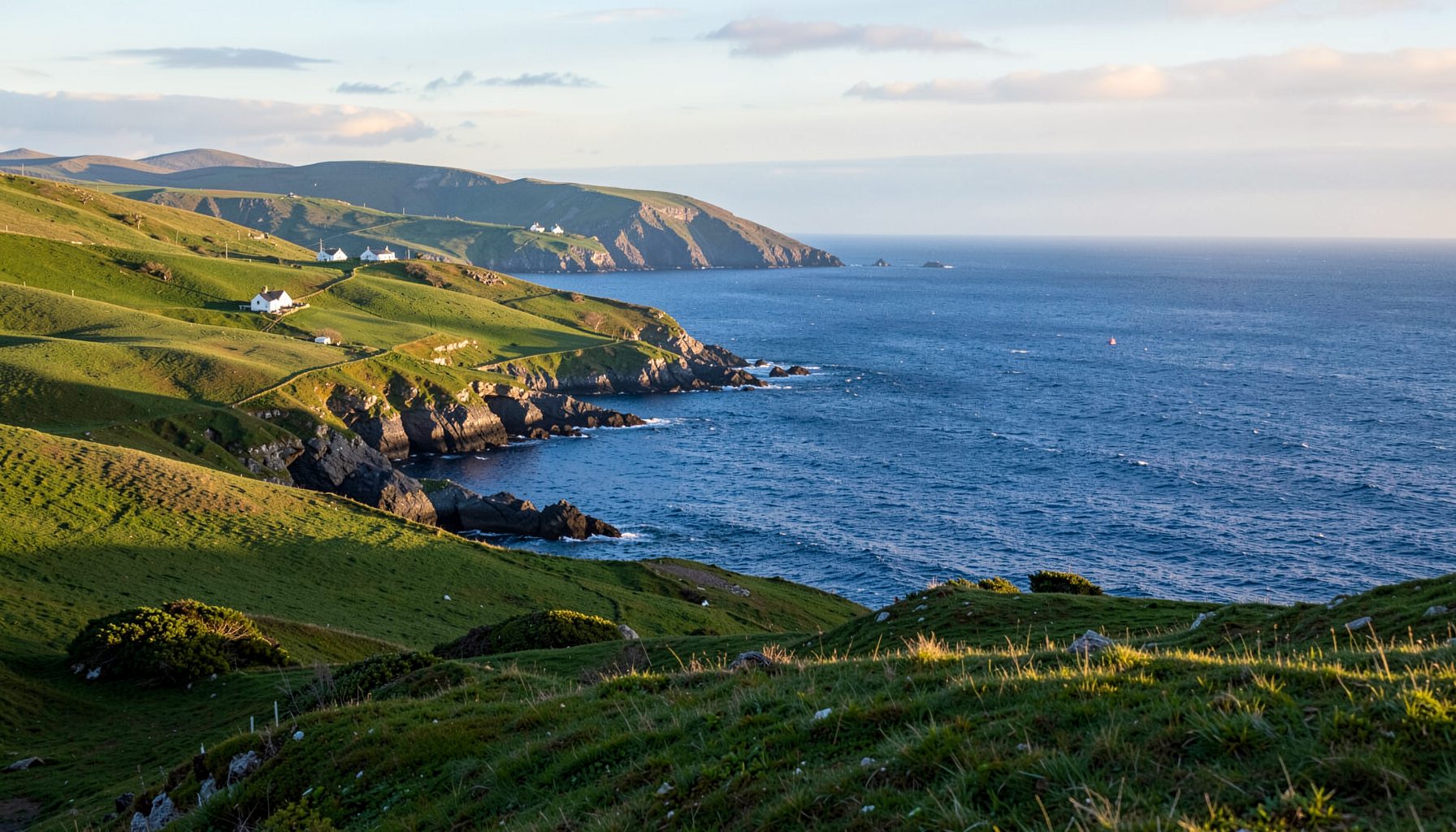
A Guide To Winter Community Life Along The Skellig Coast
Winter brings a different rhythm to the Skellig Coast. From Kells and Cahersiveen to Waterville, Sneem, Caherdaniel and Castlecove, shorter days create space for gatherings that are rooted in local life. Community halls, libraries, schools, sports clubs, churches, arts venues and cafés often become the main settings for seasonal activity.
The winter calendar is usually made up of smaller, welcoming events rather than large-scale festivals. A craft workshop, a traditional music session, a charity fundraiser or a heritage talk can offer a more personal way to meet residents and learn about the character of the Iveragh Peninsula.
Dates and venues can change from year to year, so local noticeboards, parish newsletters, community social media pages and regional information hubs are useful sources. It is also worth checking opening times and transport options before setting out, particularly during the quieter months.
How Winter Changes The Local Calendar
The season generally runs from late autumn through the first months of the new year, with event activity shaped by weather, school holidays and local traditions. December often brings festive markets, family gatherings, concerts and fundraising events, while January and February may focus more on classes, talks, indoor recreation and community planning.
Many activities are organised by volunteer groups. A village committee may host an evening of music, while a local development association could arrange a public meeting, walking programme or seasonal market. Sports clubs frequently continue their training and fixtures, giving both residents and visitors a chance to see the social energy that remains active outside the main tourism season.
Some events are recurring, while others are arranged in response to a local cause or celebration. The best approach is to treat the regional calendar as changeable and check details close to the date. This also helps identify whether an event requires booking, a small contribution, or practical items such as warm clothing and suitable footwear.
Festive Gatherings And Local Fundraising
The weeks around Christmas are often filled with community-led activity. Markets may feature handmade gifts, baking, preserves, artwork and seasonal decorations produced by local makers. These gatherings provide a direct way to support small enterprises and voluntary organisations while finding gifts with a strong connection to the area.
Carol services, winter concerts and traditional music evenings are also common forms of seasonal entertainment. Performances can take place in churches, halls, schools or arts spaces, and may include choirs, youth groups, local musicians and visiting performers. Their atmosphere is usually informal and intergenerational, with audiences made up of both regular supporters and newcomers.
Fundraising is another important part of the winter programme. Coffee mornings, sponsored walks, raffles, table quizzes and benefit concerts may support sports clubs, community buildings, local families or charitable causes. Contributing through attendance, a purchase or a small donation helps sustain the organisations that provide activities throughout the year.
Talks, Workshops And Heritage Activities
Winter is a suitable time for learning-based events because indoor venues can offer a calm setting for discussion. Local history talks may explore the Iveragh Peninsula’s maritime connections, monastic heritage, archaeology, folklore, emigration stories or the changing relationship between villages and the sea. These sessions often bring together older memories, archival material and contemporary research.
Creative workshops can include traditional crafts, painting, writing, photography, cookery or music. They are often suitable for different skill levels and may be organised through community centres, libraries, schools or cultural initiatives. Advance registration is sometimes needed because smaller venues have limited capacity.
Outdoor learning does not stop completely in winter, although programmes tend to be shorter and more weather-conscious. A guided heritage walk, shoreline study or local history outing may be arranged when conditions are suitable. Reading about the caves and sea arches near Kells Bay can add useful context before taking part in a coastal activity, especially where geology, folklore and maritime history meet.
Finding Events Across The Coast
The Skellig Coast covers a wide area, and events may be advertised through several separate channels. A notice in Cahersiveen may not appear on a listing for Waterville, while a workshop in Sneem could be promoted mainly through a community centre or local group. Checking more than one source gives a fuller picture of what is taking place.
Libraries, post offices, cafés, parish centres and village shops may display printed notices. Local newspapers and community newsletters can also be valuable, particularly for smaller gatherings that do not have a large online presence. Schools and sports clubs may share information about family events, seasonal performances and fundraising activities through their own networks.
The following guide gives a general sense of what to look for during the winter period. It is a starting point rather than a fixed schedule, since individual dates and arrangements are set locally.
| Event type | What it may include | Where to look | What to check |
|---|---|---|---|
| Seasonal market | Local food, crafts, gifts and baking | Community halls, village centres and school grounds | Opening times, payment options and parking |
| Music or concert evening | Traditional music, choirs and local performers | Churches, halls and arts venues | Tickets, seating and finish time |
| Heritage talk | Local history, archaeology, folklore or maritime stories | Libraries, museums and community spaces | Booking requirements and accessibility |
| Workshop or class | Crafts, cooking, writing, art or music | Learning hubs and community centres | Materials, fees and age suitability |
| Fundraising event | Quizzes, coffee mornings, raffles or sponsored activities | Clubs, parish venues and sports facilities | Donation arrangements and weather plans |
| Walking or outdoor programme | Coastal walks, nature activities or heritage trails | Local outdoor groups and visitor information channels | Clothing, fitness level and cancellation policy |
Staying Comfortable And Connected
Winter events are often informal, but preparation still matters. Coastal weather can change quickly, with wind, rain and low temperatures affecting travel and outdoor plans. Warm layers, waterproof footwear and a torch can be useful, especially when an event involves a short walk between a car park and a venue.
Daylight hours are limited, and rural transport options may be less frequent outside the summer season. If travelling between villages, allow extra time and check whether parking is available. For evening activities, arrange a safe return journey before attending, as public transport may not run late.
Accessibility information should be confirmed directly with organisers where needed. Older buildings may have steps, uneven entrances or limited parking, while newer community facilities may have accessible toilets and level access. Asking in advance helps organisers provide accurate information and allows visitors to choose an event that suits their requirements.
It is also considerate to follow local guidance on dogs, photography, food and payment. Some small events rely on cash, while others use online booking or card payment. A little preparation makes it easier to participate respectfully and enjoy the gathering without placing pressure on volunteers.
Ways To Support Community Life
Attending an event is only one way to contribute to the winter programme. Local groups depend on practical help, purchases and word-of-mouth support, particularly when visitor numbers are lower. A community gathering may be modest in scale, yet its value can extend well beyond the day itself by funding equipment, venue maintenance or future activities.
Visitors can support the area in ways that respect its character and resources:
- Buy locally made food, crafts and gifts when attending markets or workshops.
- Pay requested entrance fees or donations, since these often cover essential community costs.
- Share accurate event information without changing dates, prices or booking conditions.
- Leave halls, beaches, walking routes and public spaces clean and undamaged.
- Thank volunteers and follow the guidance provided by organisers, clubs and venue staff.
Local businesses also play a role in keeping winter events viable. A café offering refreshments, a shop displaying notices or a venue opening for an evening meeting can help create a connected network across the villages. Supporting these businesses before or after an event strengthens the wider seasonal economy.
Making Winter Part Of The Experience
Community events reveal a side of the Skellig Coast that is easy to miss during the busier travel season. They show how villages maintain links through music, memory, sport, creativity and shared responsibility. A small gathering can provide a deeper understanding of the region than a quick visit to a headline attraction.
The winter months also offer a chance to explore the landscape at a gentler pace. Outdoor plans should remain flexible, particularly near exposed coastlines and upland roads, but a clear day may open opportunities for a short heritage walk, a viewpoint visit or a quiet look at the changing shoreline. Indoor events can then provide warmth, conversation and local perspective.
Check community listings regularly, contact organisers when details are unclear, and build your plans around the events that welcome public participation. By attending, contributing and sharing reliable information, you help keep the Skellig Coast’s winter calendar active and ensure that its community spaces remain places for learning, connection and local expression.