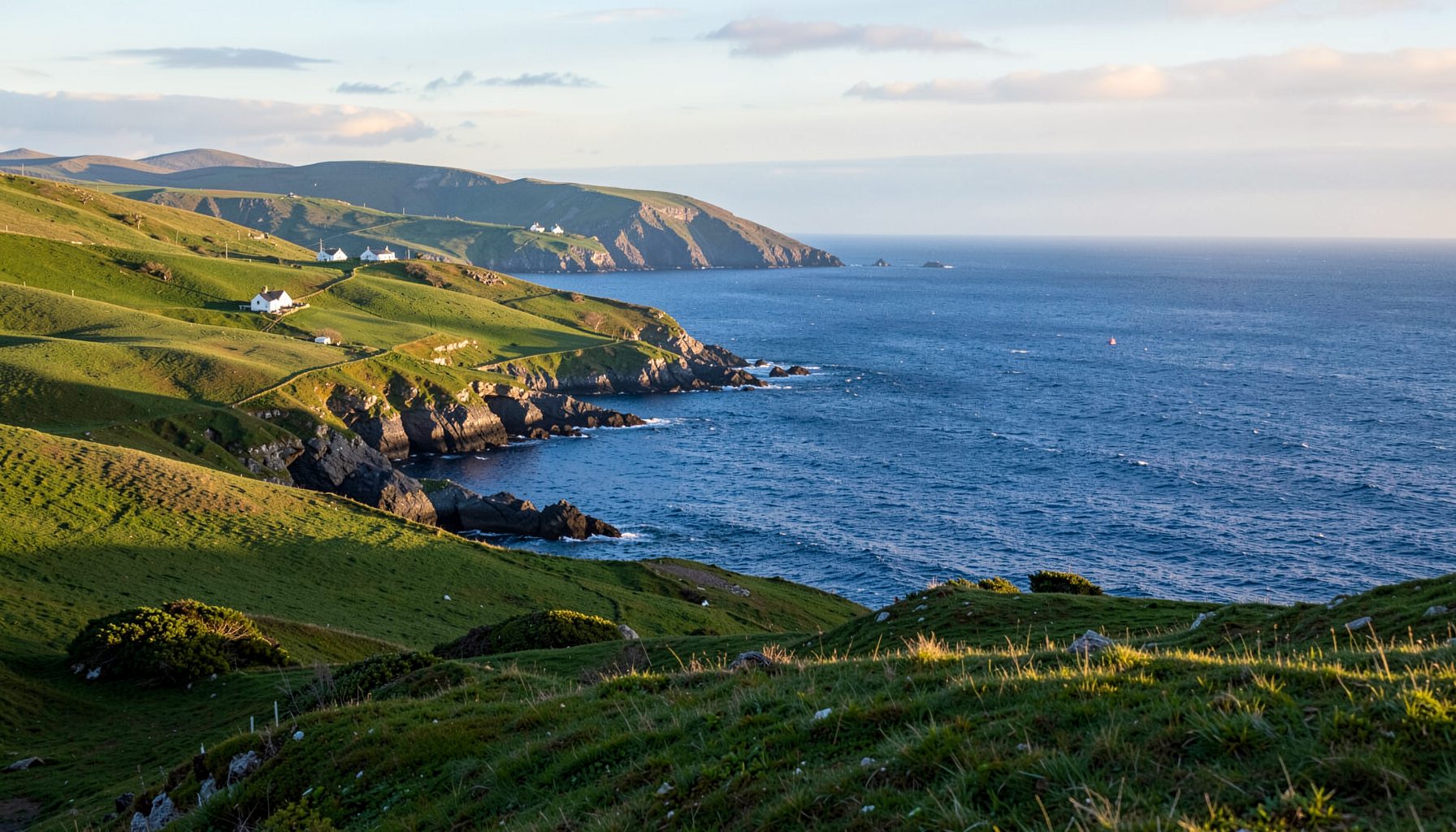
Birdwatching hotspots along the Skellig Coast
The Iveragh Peninsula curves out into the Atlantic with the Skellig Coast forming its seaward edge between Kells and Castlecove. For anyone who spends their weekends scanning mangroves around Broome or peering through binos at waders along the Coorong, swapping Australia's wide horizons for the cliff-bound inlets of Kerry can feel like stepping into a different field guide. The seabird colonies here would have Australian sea-bird spots looking flat-footed by comparison.
Atlantic puffins are the headline act, but they share the ledges with northern gannets, razorbills, common guillemots, European shags and a glittering cast of smaller seabirds that few Australian birders will have logged before. Add freshwater loughs, sheltered estuaries, chough-haunted headlands and pockets of oak woodland, and a trip to the Skellig Coast becomes a serious birding holiday in its own right, not just a quick stop on a Ring of Kerry drive.
Skellig Michael: a rocky citadel for seabirds
Skellig Michael is the obvious drawcard. The UNESCO World Heritage Site rises sharply out of the Atlantic about 12 kilometres off Portmagee, and its tiers of weathered stone host one of the most important seabird colonies in the North Atlantic. From the upper ramparts, you can count kittiwakes wheeling in long ribbons, fulmars patrolling the cliffs on stiff wings, and the occasional Manx shearwater scything past on a dark glide.
Australian birders who have logged little penguins at Phillip Island or Bruny Island will find the puffin experience especially striking. The birds are larger, brighter in the bill, and far less approachable back home. A permit is required to land, the climb is steep and weather-dependent, and boat operators insist on small, calm groups. The reward is a half-day of seabird noise, sea spray and the kind of close encounters that turn a tick on the checklist into a memory that lasts.
Puffin Island and the Valentia coastline
Just south of the Skelligs, the small rocky stack known as Puffin Island sits in the sheltered waters off the northern tip of Valentia. A slow cruise around it offers one of the most concentrated seabird spectacles in the region. Atlantic puffins return here in late spring with sandeels hooked in their striped bills, and during a good season the rocks can look almost comical with the weight of arriving and departing birds.
From the boat you can also pick out black guillemots sitting low in the water, their white wing patches flashing when they fly, plus a scattering of razorbills and the occasional great skua harrying the smaller birds. Bring a scope, dress for weather that can swing between four seasons in an hour, and treat the trip like a sea-watch with a roof. Many of the skippers who run these crossings will point out a storm petrel before you have focused your bins.
Bolus Head and the choughs of the cliffs
Bolus Head looks quiet until a pair of binoculars comes out. The headland arcs above the Atlantic in a long sweep of grass and rock, with the Skelligs visible on a clear day and sheer cliffs falling away beneath the walking trail. It is prime territory for red-billed choughs, those glossy, curved-billed crows that most Australians will only know from field-guide plates.
The choughs here are bold and habituated to walkers, tumbling past on loose, playful wings and calling with a far-carrying, almost yodelling note. Watch the short turf along the cliff edge for them feeding on leatherjackets, and keep an ear out for the sharp "chow" call that gives them their name. Ravens and hooded crows are common around the head, and a walk along the upper edge often turns up a peregrine falcon tucked into a sheltered ledge, which tends to send the cliffside into noisy panic.
Lough Currane and the freshwater specialists
For a change of scene, the freshwater loughs inland hold a different kind of birding. Lough Currane, tucked behind Waterville, is one of the largest sheets of fresh water on the Iveragh Peninsula and supports a healthy wintering population of waterfowl that should feel familiar to birders used to the wetlands around Bool Lagoon or the Macquarie Marshes. Greenland white-fronted geese arrive in autumn, greylags and wigeons dabble along the margins, and a patient scan often turns up a great northern diver in winter plumage.
The lake is fringed with reedbeds and scrubby woodland, and the lanes around it are excellent for woodland edges. Look out for tree creepers, coal tits and the very Irish combination of jays and red squirrels working the same hedgerow. Curlews call over the fields at dusk, snipe drum overhead in spring, and the light over the lake at the end of the day is the sort of thing that makes you forgive a flat morning of birding entirely.
Kenmare Bay and the estuarine shorebirds
Kenmare Bay is the long, sheltered inlet that bites deep into the southern side of the peninsula, and its tidal flats and mussel beds are the place to look for waders and wildfowl. The bay holds curlew, redshank, oystercatcher and dunlin in good numbers, along with a sprinkling of greenshank and black-tailed godwit that will be familiar names to anyone who has spent time on the East Australian Flyway.
The best birding is usually along the quieter stretches near the head of the bay, where eelgrass beds and rocky shelves produce rich pickings. Brent geese turn up in winter on the seagrass, cormorants and shags dry their wings on the markers, and a careful scan of a rising tide can push a tight little flock of sanderling past in that silvery flash that twitchers back home will know from the beaches of Roebuck Bay. Evening sessions along the bay road can be rewarding when a late spring low tide pulls in a surprise of the rarer kind.
Sneem, Castlecove and the inland woodland edges
Away from the coast, the villages of Sneem and Castlecove sit among a patchwork of native oak woodland, conifer plantations and boggy hillside. This is the place to walk slowly, stop often and listen. Dawn along the lanes around Tahilla can produce a chorus of robins, wrens, blackbirds and the emphatic "teacher-teacher" of a great spotted woodpecker drumming in a dead stem.
The streams that run down to the bay hold dippers, those stubby, white-bibbed waterbirds that bob on stones before vanishing under the surface in pursuit of a caddis larva. In summer, spotted flycatchers sit motionless on exposed perches waiting for passing insects, and a quiet loop through one of the local community woodlands often turns up long-tailed tits in their tumbling, pink-and-white family parties. It is less dramatic than a Skelligs boat trip, but fills the gaps between headline sightings and adds up to a much richer trip list.
Valentia Island: a birding day-trip in itself
Valentia deserves a section of its own because it pulls so many of these habitats together. The crossing from Portmagee is a five-minute ferry ride, and once on the island you can move between sea cliffs, farmland, brackish pools and sheltered gardens in a single day without ever needing to rush.
The Bray Head loop on the northern side is a steady climb with seabirds below, choughs overhead and the chance of a migrating common swift or a passing osprey drifting along the cliffs. The tetrapod trackway on the northern shore adds a palaeontological stop, while the sheltered gardens around the village are good for finches, warblers and the occasional visiting rose-coloured starling in a big irruption year. Local knowledge travels fast on an island that size, and a chat at the harbour usually points birders towards whatever is around.
Tips for twitchers heading to the Skellig Coast
- Book Skellig landings and Puffin Island cruises well ahead; have a flexible spare day in case conditions push the boat out.
- Pack a scope for seabird work and use it from the cliffs as much as from the boat; weather windows open and close quickly.
- Aim for May to mid-July for puffins with full bills, late September for seabird passage and October to March for wildfowl.
- Treat each spot as a full morning rather than a quick photo stop; choughs and woodland birds are easier to find with time on the ground.
- Ask locals, skippers and the team behind the regional learning hubs for up-to-date sightings before a day at sea.
- Bring layers, waterproofs and a thermos; Kerry weather shifts four ways inside an hour, even in summer.
- Consider hiring a local guide for at least one day to cut the learning curve on calls, habitats and access.
If you are sketching out a trip from Sydney or Melbourne and wondering how to weave the Ring of Kerry into a broader European birding holiday, the Skellig Coast slots neatly into a wider route that takes in the Wexford coast and the Mullet Peninsula. Treat it as a destination in its own right, give yourself a few extra days to sit out a windy morning in a sheltered café, and the birding will reward the time off.
Aussie birders used to chasing rarity alerts on BirdLife Australia WhatsApp groups will feel right at home here too. The local birding community is small, friendly and quick to share a good bird; knock on a door, ask at the harbour or check noticeboards in villages like Portmagee and Waterville, and you will often walk away with a tip that turns the day around. No dramas, mate, just good birds and a coastline that earns the long flight over.