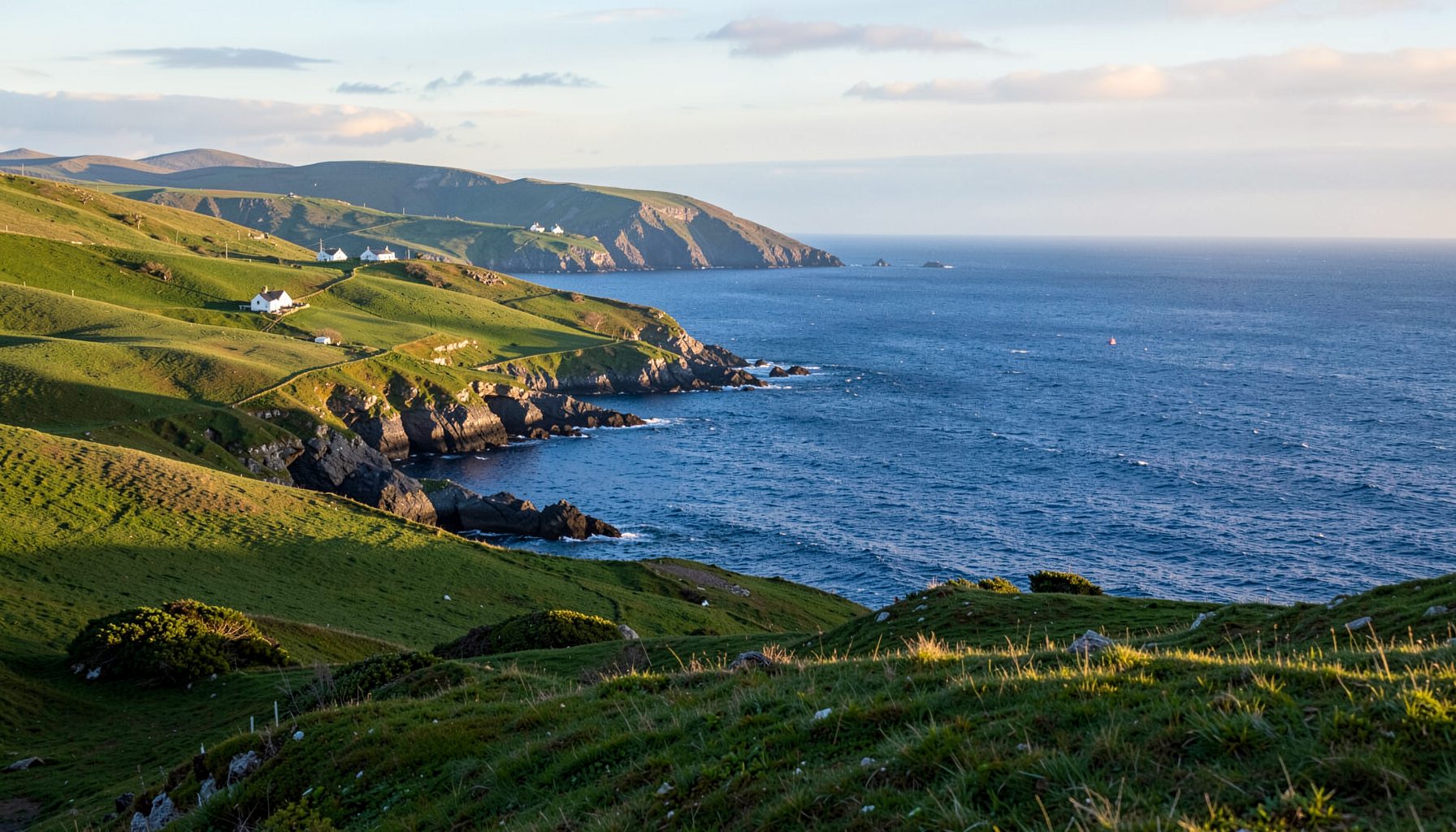
A Guide to Berry Picking and Hedgerow Harvests on the Skellig Coast
The Skellig Coast’s lanes, fields and old stone boundaries offer a seasonal pantry shaped by Ireland’s mild Atlantic climate. From Kells to Castlecove, hedgerows can produce blackberries, crab apples, rosehips, hazelnuts and other wild ingredients, while local gardens and small farms add cultivated berries to the harvest. Picking here is less about filling a basket quickly and more about noticing how food, farming and landscape fit together.
For visitors from Australia, the experience may feel different from gathering bush foods, buying produce at a weekend farmers’ market or collecting mulberries from a suburban garden. Irish hedgerows are closely connected to private farmland, so responsible foraging depends on permission, careful identification and respect for nesting birds, livestock and protected habitats. With the right approach, a berry walk can become a rewarding way to understand the communities and natural heritage of the Iveragh Peninsula.
When the hedgerows are at their best
Blackberries are usually the most recognisable wild fruit on the Skellig Coast. Depending on the weather, they begin colouring from late summer and may remain available into early autumn. Look for dark, plump fruit along sunny lane edges and sheltered field boundaries, particularly after a period of warmth. The season can be uneven: exposed coastal sites may ripen later, while berries in a protected inland valley can be ready several weeks earlier.
Elderberries follow a similar late-summer pattern, although they grow in clusters on small trees rather than brambles. Their tiny dark berries are commonly used for syrups, jellies and cooked preserves. Sloes, the fruit of the blackthorn, tend to arrive later and can remain firm and sharply flavoured until autumn weather softens them. Rosehips and crab apples extend the hedgerow season, giving gatherers options after the main blackberry flush has passed.
Weather matters as much as the calendar. Rain, wind and cool nights can delay ripening, and a stretch of sunshine may bring several fruits into season at once. A small basket, secateurs, gloves and a waterproof jacket are practical additions. On the Atlantic coast, a bright morning can turn into a wet and windy afternoon, so sturdy footwear is more useful than clothing chosen only for a fine-weather walk.
Finding good places without trespassing
Many hedges beside roads and walking routes mark the edge of working farms. A fruit hanging over a public lane may look accessible, but the land behind the hedge can still be private. Ask the landholder before entering a field, crossing a gate or collecting from a boundary that is not clearly public. A friendly request in a village, at a community centre or through a local farm contact is often the best way to learn where small-scale picking is welcome.
Public rights of way and walking trails provide opportunities to observe wild plants, but they do not automatically grant permission to harvest everything along the route. Keep to the marked path, leave gates as you find them and avoid leaning over walls or climbing banks. Around Kells, Caherdaniel, Waterville and Castlecove, the landscape includes farms, coastal habitats, archaeological features and busy roads, so a quiet-looking lane still requires care.
Do not gather beside heavily trafficked roads, car parks, sprayed field margins or areas used by dogs and livestock. Fruit close to the ground can be contaminated by mud or animal waste, while plants near road shoulders may collect dust and exhaust residue. Wash all produce thoroughly, and cook fruit when there is any uncertainty about cleanliness. A reusable container is preferable to single-use bags, and taking only what you can use helps leave food for wildlife and other people.
Identifying berries and other wild ingredients
Blackberries are easy to recognise when ripe, but even familiar plants deserve a second look. Brambles have thorny, arching stems and leaves divided into toothed leaflets. Choose berries that are fully coloured and come away with a gentle touch. Red or partly developed fruit is sour and less pleasant, while overripe berries may collapse in the hand or show mould.
Elderberries grow in drooping or rounded clusters, with small leaflets arranged along a central stem. They should be cooked before eating, and the stems and unripe berries should be removed as much as practical. Sloes are blue-black, round and usually found on thorny blackthorn shrubs. Their tartness makes them better suited to preserves and infusions than eating straight from the bush.
Crab apples vary in shape and colour and can be confused with other small fruits. Hazelnuts may be hidden beneath leaves or taken by squirrels before they are fully ripe. Nettles, wild garlic and sorrel are also associated with Irish hedgerow gathering, but their identification and preparation requirements differ from those of fruit. A reliable field guide, a local foraging course or an experienced guide is safer than an online image search based on colour alone.
Never eat an unfamiliar plant because it resembles something edible. Do not rely on a mobile phone signal in remote parts of the peninsula, and avoid collecting if you cannot identify a species with confidence. Children should remain with an adult, especially near stone walls, streams, steep ground and thorny growth. A small sample of known fruit is more valuable than a large quantity gathered in haste.
Turning a small harvest into local food
Fresh blackberries can be rinsed, drained and used in crumbles, cakes, compotes or breakfast dishes. They pair well with apples, oats and soft cheese, and a modest amount can add colour to a picnic prepared from local bread and dairy products. Freezing fruit in a single layer before transferring it to a container helps prevent it becoming one solid block.
Elderberries and sloes are often made into cooked syrups, jellies or preserves. Rosehips need careful preparation because their inner hairs and seeds can irritate the mouth. Crab apples contain natural pectin, making them useful in jellies and as a partner for lower-pectin fruits. If you are staying in self-catering accommodation, check whether cooking wild fruit is permitted and use only clean, clearly labelled containers.
Australian visitors may recognise the rhythm from buying rosella jam, lemon myrtle products or native pepper at a regional market, although Irish wild fruits have their own season and flavour. A “brekkie” of yoghurt, oats and blackberries is an easy way to use a small collection, while a jar of cooked fruit can become a thoughtful reminder of the trip. In Australia, farm-gate sales and community markets often operate under local council rules and food-handling expectations; the same principle applies here, so do not sell or distribute homemade preserves without understanding the relevant requirements.
The Skellig Coast’s villages may have craft fairs, produce stalls or community events where local ingredients appear in baking and preserves. These settings are useful for learning traditional uses and meeting people who know the landscape, but purchased produce is not necessarily wild harvested. Ask about the source, season and preparation rather than assuming every berry product came from a nearby hedge.
Responsible picking on a living landscape
Hedgerows are habitat as well as food. They shelter insects, small mammals and nesting birds, and their flowers support pollinators before the fruit appears. Avoid stripping an entire shrub, breaking branches or cutting through dense growth. Leave plenty for birds and other wildlife, especially late in the season when natural food becomes less abundant.
Protected places require particular caution. Skellig Michael, the surrounding islands and sections of the Iveragh landscape have significant ecological, archaeological and cultural value. Do not remove plants, stones or other material from heritage sites, and follow signs and guidance from site managers. The fact that a plant is edible does not mean it should be picked in a national park, nature reserve, graveyard or other protected location.
Weather and access also affect responsible travel. Coastal paths can become slippery, and narrow roads may have limited visibility for drivers and walkers. Park only where it is lawful and safe, never block a farm entrance, and give livestock plenty of space. If a hedge is being cut, sprayed or repaired, move on and return another time. Local advice is especially important during agricultural work and busy visitor periods.
For Australian visitors, this approach may differ from a casual forage through a public reserve or a bush tucker walk led by an Aboriginal guide. Ireland’s customary and legal context is specific to its land, communities and plant life. Treat local knowledge as something to receive respectfully, not copy without permission. Buying a jar of jam from a community stall, joining an authorised food walk or supporting a local learning hub can contribute more to the region than taking a large private haul.
Plan a small, seasonal picking walk along the Skellig Coast, beginning with a local guide, a field reference and permission from the relevant landholder. Learn which berries are ready, gather lightly and turn them into a simple preserve or shared dessert. Visit the villages, community events and heritage sites that give the landscape its character, and let the hedgerows reveal the peninsula at their own pace.