The Seasonal Birdlife Of The Skellig Coast
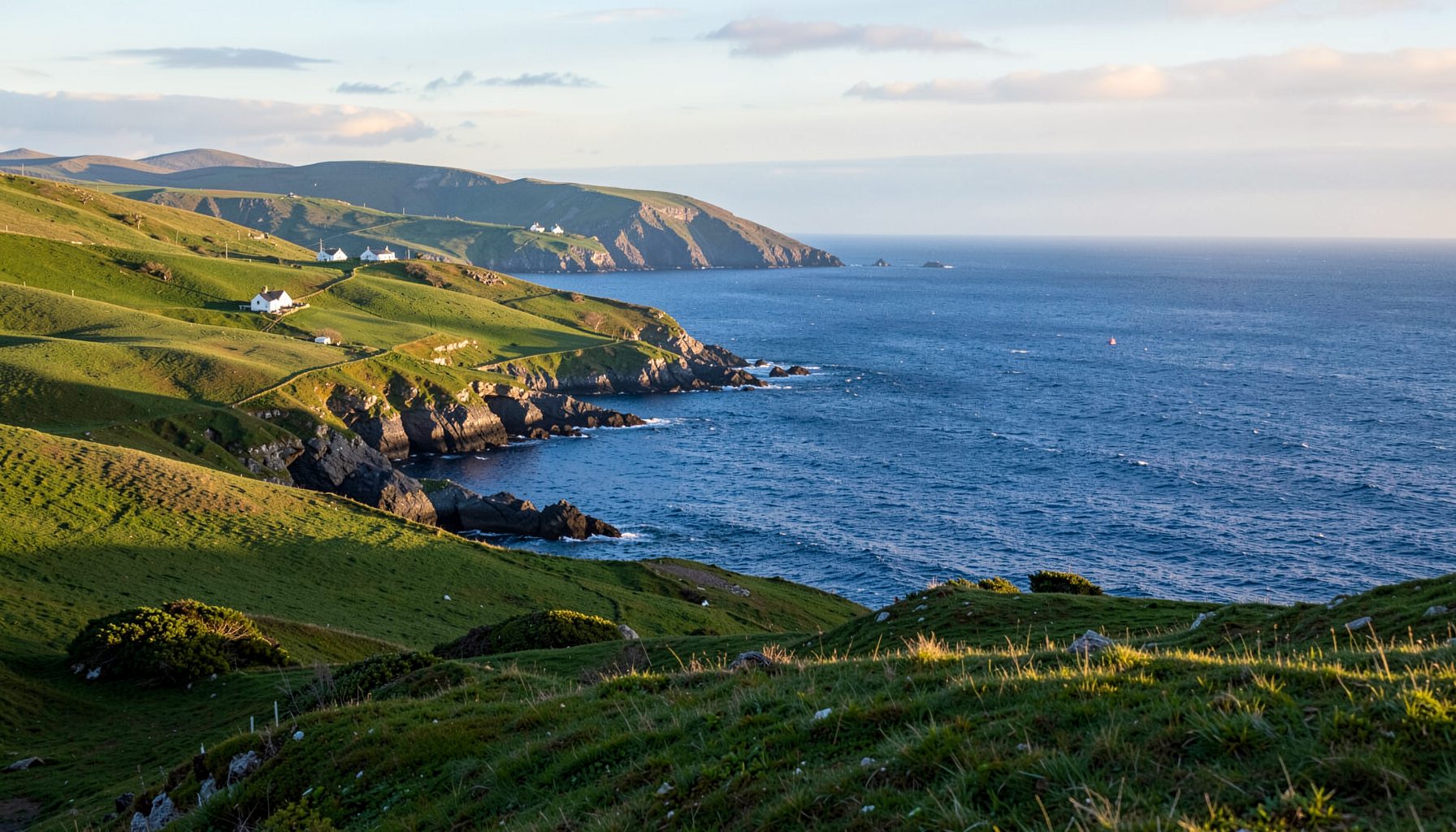
The Skellig Coast is shaped by movement. Tides carry sea life around rocky headlands, fishing boats follow changing waters, and birds travel between breeding cliffs, Atlantic feeding grounds and wintering sites far beyond Ireland. From Kells to Castlecove, the coastline offers a valuable setting for observing these journeys.
Bird migration here is not a single event with a fixed beginning and end. Some birds arrive in spring to breed, others pass through for a few days, and many remain through winter when coastal conditions are milder than those found farther north. Resident species share the same habitats, creating a constantly changing bird community.
The Skellig Islands add an offshore dimension to this natural story. Skellig Michael and Little Skellig are associated with important seabird colonies, while the mainland shore, sheltered bays, upland fields and freshwater areas provide feeding and resting places. Understanding the annual cycle makes every observation more meaningful and helps connect local nature with wider Atlantic migration routes.
Why The Coast Matters To Migrants
Ireland lies on the eastern edge of the North Atlantic, making the south-west coast a useful stopping point for birds travelling between Europe, Britain, Iceland, Greenland and the Arctic. Birds crossing open water need places where they can feed, rest and shelter from strong winds. The Skellig Coast’s mixture of cliffs, rocky shores, beaches, fields, wetlands and low hills creates several such opportunities close together.
Seabirds follow a different rhythm from many land birds. Species such as northern gannets, Manx shearwaters, storm petrels, guillemots, razorbills and puffins spend much of their lives at sea, returning to land during the breeding season. The islands’ cliffs provide nesting ledges and burrows, while productive waters around the Iveragh Peninsula offer food.
Migration is also influenced by weather. A southerly wind can bring birds towards the Irish coast, while a period of strong Atlantic weather may concentrate tired migrants in sheltered gardens, hedgerows and coastal valleys. This means that a quiet-looking day can change quickly when conditions shift.
Spring Arrivals And Passage
From March onwards, daylight increases and many summer visitors begin returning. Swallows, house martins and sand martins may be seen feeding over fields, roadsides and water. Wheatears can appear on open ground, walls and rocky slopes, while chiffchaffs and willow warblers move through scrub, gardens and woodland edges.
The timing of arrivals varies each year. Early warmth may encourage some birds to move north, but cold weather along the migration route can delay them. Cuckoos, warblers and other insect-eating species depend on the emergence of insects, so suitable feeding conditions matter as much as the calendar.
Spring is an important period for seabirds too. Birds return to familiar colonies, establish territories and begin courtship. On offshore cliffs, breeding activity can be difficult to observe from land, but groups of birds gathering on ledges or flying repeatedly between sea and rock can reveal that the nesting season is underway. Visitors should use binoculars rather than approaching colonies or landing in restricted areas.
Autumn Routes And Winter Visitors
Autumn migration is often more noticeable because it involves both birds leaving their breeding grounds and others arriving from northern regions. Swallows and martins gather before moving south, while meadow pipits, blackbirds, thrushes and finches may pass through in changing numbers. Coastal headlands can be useful viewpoints when birds are moving along the shoreline.
Waders make use of rocky margins, beaches and estuaries during passage. Dunlin, ringed plovers, turnstones and purple sandpipers may stop to feed on invertebrates exposed by the tide. Their presence depends on habitat, tide levels and weather, and some individuals may remain through winter rather than continuing farther south.
The colder months bring a different atmosphere to the coast. Redwings and fieldfares can arrive from northern Europe, while other winter visitors may use sheltered farmland, hedges and shorelines. Seabirds remain highly visible in rough weather, when gannets, gulls, fulmars and other species may be pushed closer to land. Storm watching can be rewarding, but exposed cliffs and slippery paths require care.
| Season | Birds And Movements To Watch For | Useful Habitats | What Shapes Their Presence |
|---|---|---|---|
| Early spring | Wheatears, chiffchaffs, returning seabirds | Fields, hedgerows, cliffs and island colonies | Rising temperatures, insect activity and wind direction |
| Late spring and summer | Swallows, martins, warblers, puffins, guillemots and razorbills | Open farmland, freshwater edges and sea cliffs | Breeding territories, food supplies and nesting conditions |
| Autumn | Migrating swallows, meadow pipits, waders and passing seabirds | Headlands, beaches, rocky shore and sheltered gardens | Atlantic weather, tides and departure from northern breeding grounds |
| Winter | Redwings, fieldfares, turnstones, purple sandpipers and storm-driven seabirds | Hedgerows, pasture, bays and exposed coastline | Cold weather, coastal shelter and marine food availability |
Reading Habitats Through The Year
A bird seen on the Skellig Coast is often responding to a particular habitat rather than simply passing through a scenic landscape. Rocky shores expose seaweed and small marine animals as the tide falls. Beaches and muddy margins support waders. Rough grassland provides seeds and insects, while hedges offer shelter during migration and nesting cover in spring.
Gardens can become valuable observation points, especially during periods of poor weather. Native shrubs, mature trees and areas of longer grass supply food and protection for small birds. A garden beside the coast may attract a very different selection of species from an exposed headland, even on the same day.
Freshwater streams, ponds and damp fields also deserve attention. They support insects and drinking sites, and can act as temporary rest stops for exhausted migrants. Looking across several habitats during the year gives a fuller picture than concentrating on one famous viewpoint.
Observing Birds With Care
Responsible birdwatching protects the very behaviour people come to witness. Keep a generous distance from nesting cliffs, roosting waders and feeding flocks. If birds repeatedly call, fly away or change direction because of your presence, move back and allow them to settle. Dogs should be kept under close control, particularly near shorebirds and ground-nesting species.
Binoculars and a field guide are usually more useful than trying to approach wildlife. On boat trips or visits near offshore islands, follow current landing rules and guidance from the relevant conservation authorities. Skellig Michael is a protected heritage site as well as a wildlife location, and access arrangements can vary with weather, conservation needs and operational conditions.
Avoid playing bird calls, using drones near wildlife or entering closed areas. Photography should never take priority over the safety of birds or visitors. Quiet observation also helps preserve the character of the coast, where natural sounds, local stories and historic places are part of the experience.
Building Local Knowledge
Seasonal records become especially valuable when they are collected consistently. A brief note of the date, location, habitat, weather and number of birds can help reveal patterns over time. Photographs may support identification, but clear written observations are useful too, particularly when birds are distant or conditions make images difficult.
Local schools, community groups, learning hubs and outdoor programmes can use migration as a practical way to explore geography, climate, biodiversity and maritime heritage. A walk that begins with a familiar resident bird can lead into a wider discussion about Arctic breeding grounds, Atlantic currents and the long-distance links held within a single coastline.
Useful habits for anyone recording birds include:
- Carry binoculars, a notebook or a birding app, and record uncertain identifications honestly.
- Check tides and weather before visiting exposed shorelines or headlands.
- Submit notable sightings to an established national or local recording scheme.
- Share locations carefully when birds are nesting or gathering in vulnerable habitats.
- Take part in community surveys, guided nature walks and conservation events when available.
Records are most helpful when they can be compared with observations from other years. A first swallow, the arrival of winter thrushes or an unusual seabird after a storm may seem like a small event, but repeated observations build a picture of environmental change along the coast.
Connecting Migration With Heritage
The movement of birds adds another layer to the human history of the Iveragh Peninsula. Fishing communities have long read the sea, weather and seasons, while island monasteries, coastal farms and village landscapes developed in close relationship with natural resources. Birds are part of that living heritage, linking present-day residents with a landscape that has always been watched and interpreted.
Skellig Michael is widely known for its monastic remains and its role as a filming location, but its importance also includes its position within an offshore ecosystem. The dramatic stone terraces and cliffs are home to wildlife whose annual movements began long before the island became a heritage attraction. Protecting the site means respecting both its cultural significance and its natural rhythms.
Community events can bring these strands together through talks, shoreline walks, school projects, wildlife recording and exhibitions. Such activities make migration accessible without reducing it to a checklist. They also encourage visitors to spend time across the wider coast, learning about villages, habitats and local initiatives between the better-known landmarks.
The next time you travel between Kells and Castlecove, allow time to notice the seasonal changes above the shore. Watch the headlands, hedges, beaches and open water, and support local conservation and community programmes that help keep this knowledge active. By recording what you see and sharing it responsibly, you become part of the ongoing story of birds moving along the Skellig Coast.