The Coast Guard’s Role in Remote Community Rescues
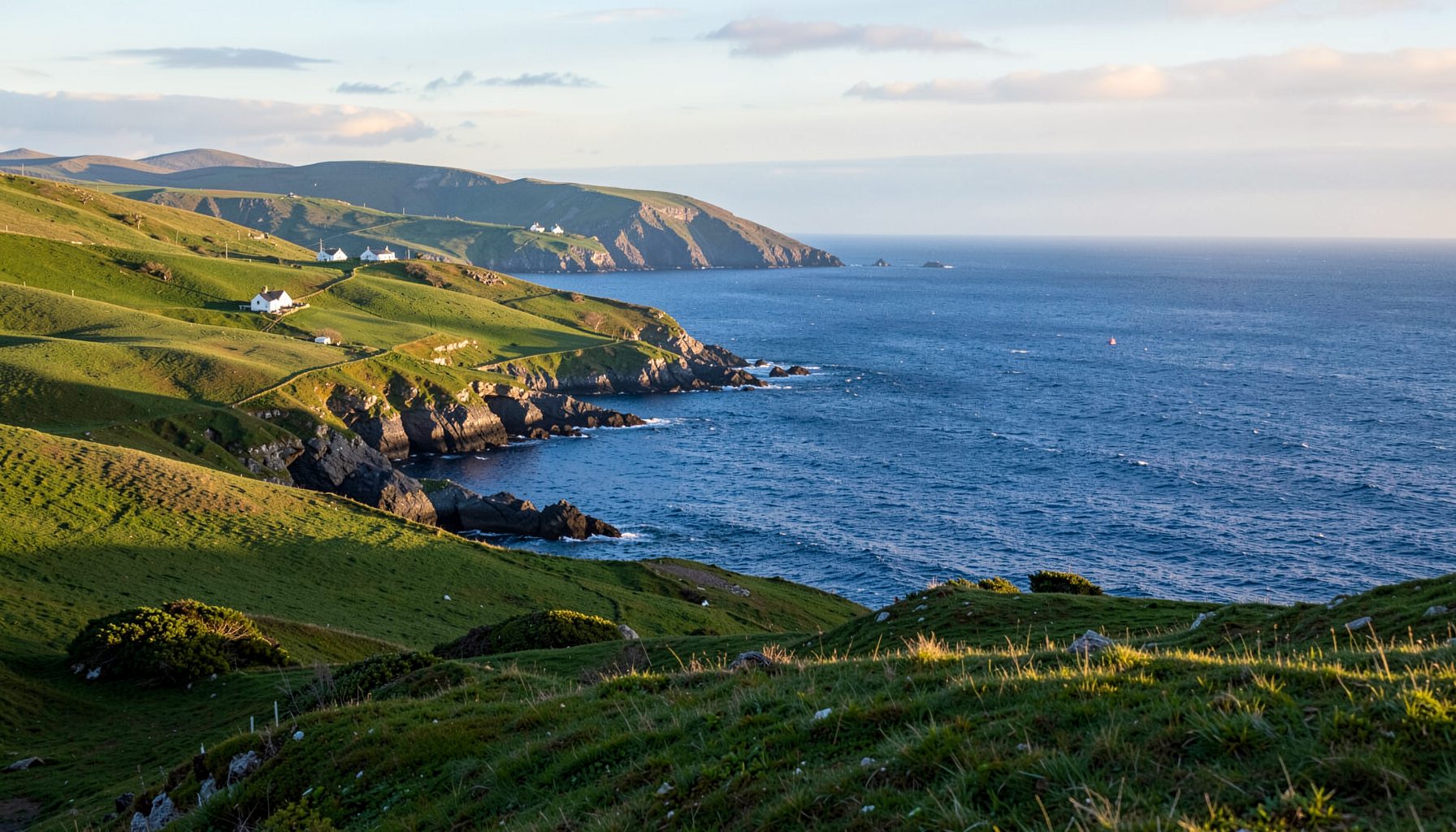
Along Ireland’s south-western coast, distance shapes every emergency. Villages and islands are separated by exposed headlands, narrow roads, tidal waters and long stretches of open Atlantic. A person in difficulty may be far from a major hospital, harbour or fire station, while weather can change within minutes.
The Irish Coast Guard provides the coordination and specialist response that connects these remote places with help. Its work covers maritime search and rescue, shoreline incidents, pollution response and support for people in danger along the coast. In the Skellig Coast area, this role is closely linked with volunteer coastguard units, lifeboat crews, emergency services, local boat owners and community knowledge.
The service is especially important around Portmagee, Valentia Island, Ballinskelligs, Waterville, Caherdaniel, Sneem and the coastline towards Castlecove. These communities support fishing, farming, tourism, outdoor recreation and island travel. The same waters that sustain local life can become hazardous for swimmers, kayakers, anglers, walkers and small-boat users.
A Coordinated Rescue Network
The coastguard is not a single boat stationed at every harbour. It is a coordinated network that assesses emergencies, identifies available resources and directs the response. In Ireland, maritime rescue coordination is managed through the Irish Coast Guard’s national system, including the Marine Rescue Coordination Centre at Valentia.
A call may bring together several agencies. Depending on the incident, the response can involve an Irish Coast Guard boat or shore team, an RNLI lifeboat, an Irish Coast Guard helicopter, An Garda Síochána, the National Ambulance Service, local fire and rescue crews or community volunteers. Each organisation has a defined role, while the coastguard helps maintain a shared operational picture.
This coordination matters in remote districts because the nearest useful resource is not always the nearest official station. A fishing vessel already at sea may reach a casualty sooner than a shore team. A local volunteer may know the safest access point to a cliff. A lifeboat may be best placed for a disabled vessel, while an ambulance becomes essential once the casualty reaches land.
Why Remote Coastal Emergencies Develop Quickly
The Skellig Coast combines strong tidal streams, reefs, cliffs, caves, beaches and exposed bays. Fog can reduce visibility around islands and headlands. Wind direction can change the conditions inside a sheltered cove, while swell may make a landing impossible at a place that looked calm earlier in the day.
Outdoor activities create varied rescue scenarios. A walker may fall on a cliff path, a swimmer may be carried away from a beach, or a kayak may capsize beyond easy reach from shore. A vessel can lose power, suffer steering failure or drag its anchor. In each case, the location, tide, weather and available communications affect the response.
Remote rescue also involves information gaps. People in distress may be unfamiliar with local place names or unable to describe exactly where they are. A caller may see a headland but not know its name, or give a beach name that is shared by several locations. Grid references, What3Words references, mobile-phone location data, visible landmarks and photographs can all help rescuers narrow the search area.
Early notification gives the rescue coordination team more choices. Calling when an incident first becomes unsafe can allow a controlled response, rather than forcing crews to search after darkness or worsening weather. Delayed calls increase risks for the casualty and the people who attempt an unplanned rescue.
The People Behind the Response
Many coastguard responders are volunteers who live in the communities they serve. Their local knowledge is a significant operational asset. They may understand access tracks, slipways, cliff edges, tidal cut-offs and the safest routes to a shoreline incident. They also train in communications, search procedures, first aid, water safety and other elements of emergency response.
Volunteer coastguard teams can support searches from land, establish safety perimeters, help locate casualties and guide professional rescue assets. Their work often begins before a lifeboat or helicopter arrives. They may also assist with missing-person searches, coastal incidents and public safety operations that require detailed knowledge of the terrain.
RNLI lifeboat crews provide another essential part of the maritime rescue system. Lifeboats are designed to reach people on the water, tow or escort vessels when appropriate and recover casualties in difficult sea conditions. Helicopter crews can provide rapid transport, aerial searching and winching capability, although aviation operations depend on weather, visibility and aircraft availability.
The strength of the system comes from cooperation rather than from one organisation acting alone. Local fishermen, harbour users, outdoor instructors and residents may provide valuable observations, but they should pass information to the emergency coordination service rather than entering the danger area themselves.
| Emergency situation | Useful first action | Likely response resources |
|---|---|---|
| Person in the sea or swept from rocks | Call 112 or 999 and ask for the Coast Guard | Lifeboat, coastguard team, helicopter and ambulance |
| Small vessel loses power or control | Send a distress call and give position, people aboard and vessel description | Lifeboat, nearby vessels and marine rescue coordinators |
| Injured walker near a cliff or remote shore | Call emergency services and share a precise location | Coastguard shore team, ambulance, fire service or helicopter |
| Missing person near beaches, islands or cliffs | Report immediately with last known location and clothing details | Coordinated land, shoreline, marine or air search |
| Pollution or hazardous debris | Keep clear and report the location | Coastguard pollution response and relevant local agencies |
Communication Is Part Of Survival
Anyone using the sea or coast should plan how they will call for help before setting out. A mobile phone is useful, but coverage can be unreliable around valleys, cliffs and offshore areas. A fully charged phone should be protected from water, while boat users should carry a marine VHF radio and know how to use it.
In Ireland, emergencies can be reported by calling 112 or 999 and asking for the Coast Guard. At sea, VHF Channel 16 is used for distress and safety communication. A caller should provide the nature of the emergency, the number of people involved, the vessel or clothing description, the last known location, the direction of travel and any immediate hazards.
The call should remain open if safe to do so. Rescue coordinators may need to clarify details, obtain a location update or provide instructions. If the phone signal fails, moving to higher ground may help, but nobody should leave a safe position simply to search for coverage when doing so creates additional danger.
Personal locator beacons and emergency position-indicating radio beacons can transmit an emergency alert and location through satellite systems. They are valuable in remote areas, but users must register equipment where required, maintain batteries and understand how to activate it. Technology supports a rescue plan; it does not replace navigation, weather checks, flotation equipment or supervision.
Supporting Safe Decisions Before Departure
Good rescue work often begins before an emergency. Checking the marine forecast, tide times, daylight hours and local access conditions can prevent a minor problem from becoming a major incident. Plans should allow extra time for changing weather, difficult terrain and slower movement on wet or uneven ground.
A responsible trip plan includes the route, expected return time, names of participants, vehicle details and relevant medical information. Someone at home should know the plan and understand when to contact emergency services. For boat trips, the plan should include the vessel’s description, registration or call sign, equipment and intended area of operation.
Visitors should treat local advice as safety information rather than decoration. A calm-looking cove can have a strong undertow, and a cliff path may be unsafe after heavy rain or high winds. Beaches, sea caves and rock platforms should be viewed from a safe distance, with attention paid to incoming tide and wave movement.
Groups should also agree what happens if someone is separated, injured or delayed. A whistle, torch, spare layers, first-aid kit, flotation device and waterproof means of communication are small items that can make a substantial difference. On boats, lifejackets should be worn rather than stored where they cannot be reached quickly.
Building Resilient Coastal Communities
The coastguard’s contribution extends beyond dramatic incidents. Training, public education and cooperation with local organisations help communities prepare for emergencies before they happen. Schools, youth groups, sailing clubs, community centres and outdoor programmes can all reinforce practical messages about tides, cliffs, cold-water shock and emergency calls.
Community knowledge is especially valuable in areas where roads are narrow and addresses may be difficult for visitors to identify. Clear signs, recognised meeting points, accurate digital mapping and shared knowledge of access routes can help emergency crews reach an incident sooner. Local businesses can support this work by giving visitors reliable safety information and encouraging suitable equipment.
Heritage and tourism also have a role. Sites such as Skellig Michael draw attention to a demanding maritime environment as well as to Ireland’s history. Boat operators, guides and visitors should respect landing restrictions, weather limits and instructions from the relevant authorities. Protecting a historic site and protecting the people who travel to it are connected responsibilities.
A strong rescue service depends on public cooperation. People should report hazards, follow instructions, avoid crowding launch points and never assume that a trained crew can be replaced by a spontaneous volunteer rescue. The safest help a bystander can offer may be accurate information, visible signalling and keeping a clear route for responders.
Practical Steps For Safer Coastal Visits
- Check weather, tide and daylight conditions before leaving, then adjust the plan when conditions deteriorate.
- Carry a charged, waterproof phone; boat users should also carry and understand a marine VHF radio.
- Tell a reliable person the route, group size, transport details and expected return time.
- Wear suitable footwear and flotation equipment, and keep away from cliff edges, unstable rocks and breaking waves.
- Call 112 or 999 and ask for the Coast Guard as soon as there is a genuine risk to life, giving the clearest location available.
The Irish Coast Guard and its partner services form a vital safety link between remote communities and the wider emergency system. Their effectiveness is strengthened when residents, visitors, operators and community groups prepare carefully, communicate clearly and respect the power of the Atlantic.
Skellig Coast can help keep that knowledge visible by sharing local safety information, community updates and the stories of the people who care for this coastline. Explore the region’s villages, heritage and outdoor initiatives with respect for the sea, and pass reliable emergency guidance on to anyone planning time along the Iveragh Peninsula.