The Restoration of the Derrynane Abbey Ruins
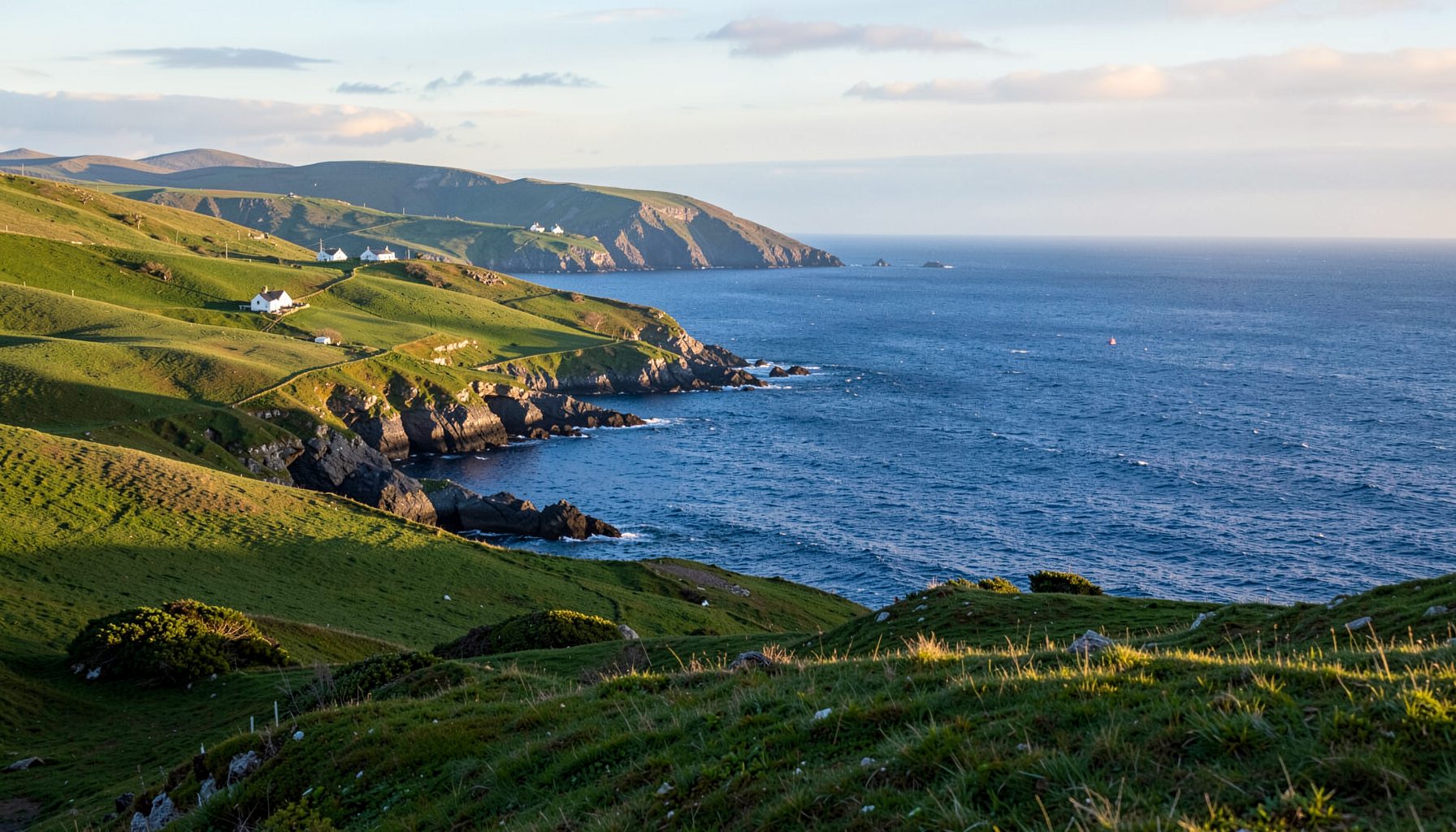
On the sheltered shores of Derrynane Harbour, the ruins of Derrynane Abbey stand as a reminder of the Skellig Coast’s long religious and maritime history. The remains are located on Abbey Island, close to Caherdaniel, where changing tides, salt air and centuries of use have shaped both the landscape and the surviving stonework.
The site is strongly associated with Daniel O’Connell, the nineteenth-century political leader who was born at nearby Derrynane House. O’Connell is buried within the old abbey church, giving the ruins a continuing place in the cultural life of the Iveragh Peninsula. The church is therefore more than an archaeological monument: it is a historic burial place, a place of memory and a visible link between medieval Ireland and modern national history.
Conserving the abbey requires a careful balance. Visitors need to experience its character, while fragile masonry, graves, wall tops and archaeological deposits must be protected from weather, vegetation and accidental damage. Restoration in this setting is best understood as sensitive conservation rather than rebuilding the structure into a complete church.
A Sacred Site Shaped By Time
Derrynane Abbey forms part of a much older pattern of Christian settlement around the coast of Kerry. Early religious communities often developed beside natural harbours and islands, where monks could live close to sources of food, fresh water and maritime routes. The wider Derrynane area contains many reminders of early Christian activity, although the visible abbey ruins represent several periods of construction and alteration rather than a single moment.
The surviving church has endured intense exposure. Atlantic winds drive rain into joints in the masonry, while salt carried from the sea can accelerate the decay of mortar and stone surfaces. Winter storms, frost and repeated wetting and drying add further pressure. Ivy, grass and other vegetation can also take root in wall joints, causing small cracks to widen as roots grow.
The building’s meaning has changed across the centuries. It may be read as a medieval ecclesiastical ruin, a historic cemetery, an O’Connell memorial site and a landmark within Derrynane National Historic Park. A successful conservation programme must respect all of these layers instead of treating one period as more important than the others.
Why Conservation Is More Suitable Than Reconstruction
Reconstruction would create a complete-looking building, but it could erase evidence of the abbey’s history. Uneven walls, blocked openings, altered masonry and traces of repair all help archaeologists understand how the site developed. For that reason, conservation work generally aims to stabilise what survives, slow further deterioration and make the structure safe to appreciate without inventing missing features.
This approach may include recording every wall and architectural detail, removing damaging vegetation, repairing open joints with compatible lime mortar and securing loose stones. Wall tops require particular attention because water can enter exposed cores and gradually push the facing stones outward. Small, carefully targeted interventions are usually preferable to extensive rebuilding.
Materials and techniques matter. Traditional lime mortar allows historic masonry to breathe and move more naturally than hard modern cement. A repair that appears strong at first can cause problems if it traps moisture or places excessive stress on softer medieval stone. Conservation specialists therefore need to assess the existing fabric before deciding how much work each section requires.
Reading The Ruins Before Work Begins
A restoration project begins with investigation. Measured surveys, photographic records and condition assessments provide a baseline against which future change can be judged. Archaeological monitoring may identify buried features, earlier floor levels or evidence of buildings that no longer survive above ground. Even the location of fallen stones can help explain the collapse of a wall.
Historic maps, estate records, church histories and local memories also contribute to the picture. The abbey does not exist in isolation: it belongs to a landscape that includes Derrynane House, the shoreline, the island causeway and the wider network of settlements along the Ring of Kerry. Understanding those connections helps ensure that conservation decisions reflect the site’s full heritage value.
Interpretation is part of the work too. Clear information can explain why some stones have been left fallen, why access may be restricted during repairs and why visitors should avoid climbing walls. Regional learning hubs can support this understanding by connecting the abbey with local history, archaeology, schools and community-led research.
| Conservation concern | Appropriate response | Benefit for the site |
|---|---|---|
| Loose or displaced masonry | Careful resetting where necessary | Reduces collapse risk while retaining historic fabric |
| Open joints and eroded mortar | Repointing with compatible lime mortar | Limits water penetration and allows the walls to breathe |
| Vegetation growing in walls | Trained removal and regular monitoring | Prevents roots from widening cracks |
| Surface water and rain exposure | Improved drainage and discreet protection | Slows erosion around foundations and wall bases |
| Visitor pressure | Defined access and clear interpretation | Protects graves, masonry and archaeological deposits |
| Loss of historical information | Survey, photography and archival research | Creates a record for future conservation decisions |
Protecting A Burial Place And Memorial
The presence of Daniel O’Connell’s grave makes the abbey especially sensitive. Visitors arrive with different expectations: some are interested in medieval architecture, others in O’Connell’s political career, and many come because the site forms part of the coastal experience around Derrynane. Conservation must accommodate respectful remembrance while protecting the church and cemetery from unnecessary wear.
Gravestones and memorials can be vulnerable to touching, leaning, moss growth and repeated foot traffic. Their inscriptions may be difficult to read, yet cleaning them too aggressively can damage the stone surface. A measured policy of documentation, gentle maintenance and controlled access is more appropriate than trying to make every memorial appear new.
The setting also influences how the abbey is experienced. The island, beach and harbour create a strong sense of place, but tides and weather can affect access and safety. Visitors should check local conditions, use established routes and allow sufficient time for the return journey. The ruins should be approached as a functioning heritage landscape rather than as an unrestricted photo backdrop.
The Role Of The Local Community
Long-term care is strengthened when local people have a meaningful role in the site’s future. Residents hold knowledge about changing paths, storm damage, traditional place names and the ways the abbey has been used by generations of families. That knowledge can complement professional surveys and help identify problems before they become major structural concerns.
Community involvement can take many forms. Local schools may study the abbey through archaeology and oral history, while cultural groups can explore the relationship between Derrynane House, O’Connell’s legacy and the surrounding coastline. Guided walks, talks and volunteer recording projects can encourage interest without placing additional pressure on the ruins themselves.
Tourism also has a responsibility to support conservation. Well-informed visitors are more likely to remain on designated paths, avoid climbing walls and understand why certain areas may be closed. Information provided through regional heritage networks, visitor centres and community events can turn a short visit into a deeper appreciation of the coast’s history.
A Living Heritage Landscape
The ruins are part of a wider collection of places that give the Skellig Coast its identity. From Kells to Castlecove, historic sites, villages, beaches and learning initiatives reveal how communities have adapted to a demanding coastal environment. Derrynane Abbey contributes a particularly strong sense of continuity because it brings together early Christianity, medieval architecture, modern political history and present-day conservation.
Its relationship with nearby attractions is equally important. Derrynane House introduces visitors to the O’Connell family and the political history of the nineteenth century, while the coast provides the environmental setting in which the abbey developed. Further west, Skellig Michael demonstrates the international importance of Ireland’s Atlantic monastic heritage, although each site has its own history and conservation needs.
Understanding these places as a connected landscape encourages slower, more responsible visits. Instead of treating the abbey as an isolated stop, visitors can see it as one part of a cultural route through the Iveragh Peninsula. This approach benefits local communities and helps distribute attention across museums, heritage sites, walking routes and educational programmes.
Practical Ways To Support Its Future
Small choices make a difference when visiting a fragile ruin. The following habits help protect Derrynane Abbey while preserving the atmosphere that makes the site valuable:
- Keep to established access routes and follow any temporary closures or safety notices.
- Do not climb, sit on or remove stones from the abbey walls.
- Treat graves and memorials respectfully, avoiding contact with inscriptions and fragile surfaces.
- Take photographs without entering restricted areas or disturbing other visitors.
- Share reliable heritage information and support local cultural, educational and conservation initiatives.
The most effective restoration will be measured over decades rather than by the visual impact of a single project. Regular inspection, appropriate mortar repairs, vegetation control, drainage management and careful interpretation can preserve the abbey’s character without disguising its age. Monitoring is especially important after severe storms, when coastal exposure may reveal new weaknesses.
Visitors can play a direct role by approaching the ruins with patience and care, learning about their history and supporting the organisations that keep the wider Derrynane landscape accessible. A visit to Abbey Island is an opportunity to encounter a remarkable piece of Kerry heritage while helping ensure that its stones, stories and memorials remain here for future generations.