The Life of a Seaweed Harvester on the Iveragh Coast
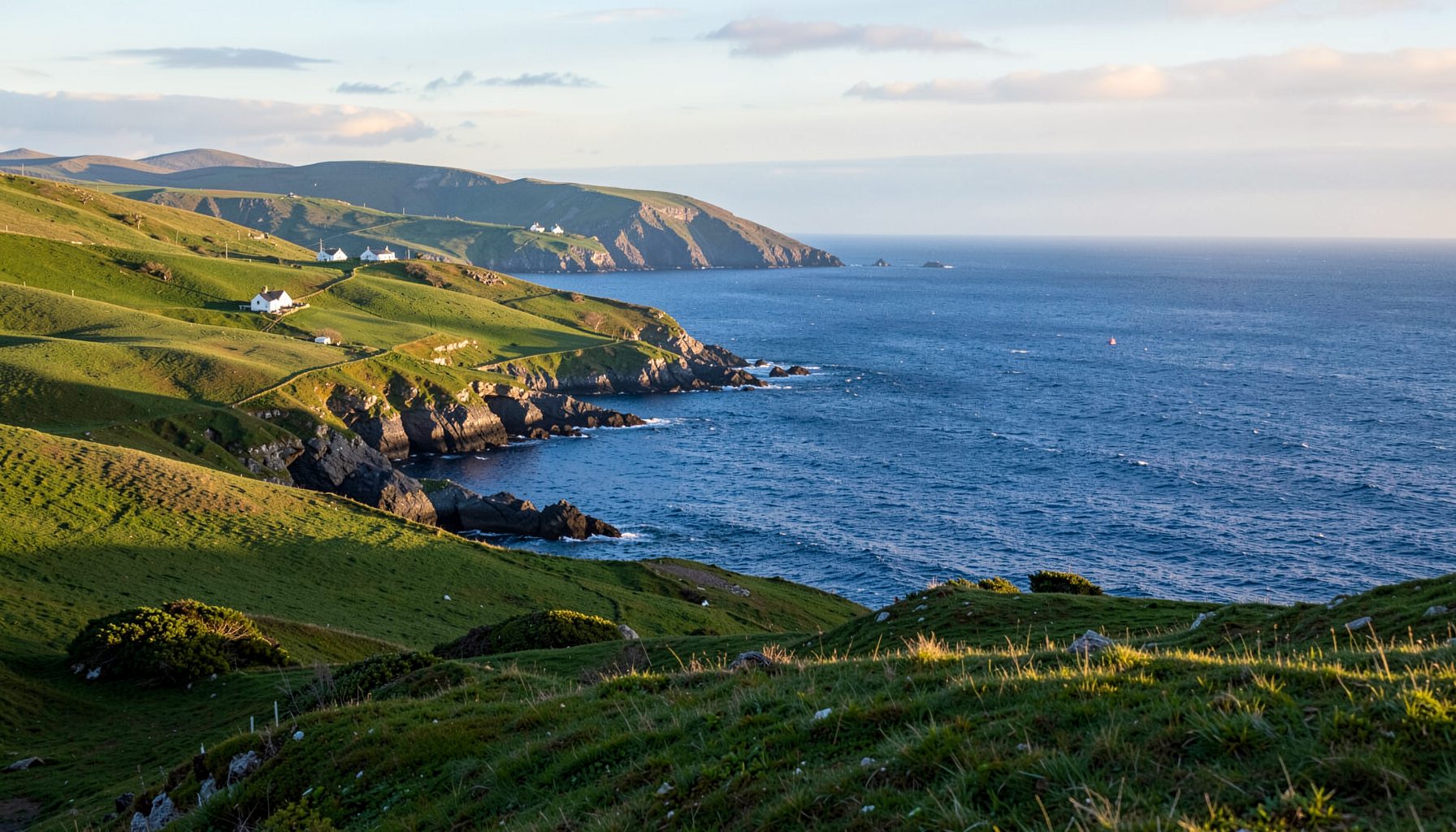
Along the Iveragh Peninsula, the sea is more than a boundary between land and open water. It is a source of food, fuel, craft materials, local knowledge, and seasonal work. Between Kells and Castlecove, rocky shores, sheltered coves, tidal inlets, and exposed Atlantic beaches create a varied coastline where seaweed has long been part of everyday life.
A seaweed harvester works with the tide rather than against it. The day may begin before sunrise, when the falling water reveals rocks covered in bladderwrack, kelp, dulse, or carrageen moss. The work is physical and weather-dependent, yet it also requires careful observation. Each shore has its own character, and the best harvesters learn to read waves, wind, rock pools, seasons, and the condition of the plants.
Today, gathering wild seaweed sits between traditional coastal practice and growing interest in sustainable food, natural products, and marine ecology. The activity connects the communities of the Ring of Kerry with older livelihoods while raising important questions about conservation, access, and responsible harvesting.
Reading The Shore And The Tide
A typical working day starts with the tide table. Low water determines when seaweed beds can be reached, while wind direction and swell decide whether a shore is safe. An apparently calm morning can change quickly on the Atlantic coast, particularly around exposed headlands and reefs. Experienced harvesters allow time to leave the rocks before the tide turns.
The shoreline is read as carefully as a farmer reads a field. Some species cling to firm rock, while others gather in wrack lines after storms. Kelp may be found in deeper water or attached below the low-tide mark. Carrageen moss prefers particular pools and ledges, and dulse often grows where clean, moving water keeps the fronds healthy.
This knowledge is local and practical. A harvester notices whether a plant is young or mature, whether it has been damaged by rough weather, and whether a patch has been collected recently. The work involves judgement at every stage, from choosing a beach to deciding which handfuls should remain untouched.
The Plants Along The Iveragh Coast
Seaweed is a broad term for many forms of marine algae, each with different uses and growing habits. Dulse has a deep reddish colour and a savoury taste when dried. Carrageen moss, also called Irish moss, has a long history in traditional cooking and is associated with thickening jellies, milk puddings, and other foods.
Bladderwrack is recognisable by the air-filled bladders along its fronds. It has been used in folk remedies, baths, fertiliser, and natural-product preparations. Kelp grows in long, strong ribbons and can become part of composting, soil improvement, food production, or specialist processing. Sea lettuce, with its bright green sheets, is another edible species found in suitable clean-water habitats.
A harvester does not simply collect everything visible. Species identification matters because similar-looking algae can have different qualities or uses. Clean water is essential, as seaweed can absorb pollutants from its surroundings. For this reason, collection sites are chosen with care, away from contaminated runoff, busy harbours, and areas where water quality is uncertain.
From Rock Pool To Market
After gathering, the seaweed must be sorted, rinsed where appropriate, and transported without unnecessary damage. Some varieties are used fresh, while others are spread thinly to dry. Drying can take place outdoors in suitable weather or in controlled conditions that protect the crop from dampness, grit, and animals.
Traditional harvesting was often closely tied to household needs. Seaweed could be used as a garden fertiliser, animal feed, fuel, or a food ingredient. In some coastal areas, families collected kelp or wrack for agricultural use, while other species entered small-scale trade. The work formed part of a mixed livelihood that might also include fishing, farming, boat work, or seasonal labour.
Modern harvesters may supply chefs, food producers, cosmetic companies, educational programmes, or craft makers. Their work can involve traceability records, food-safety procedures, drying equipment, and agreements with buyers. The distance between a wave-washed frond and a packaged product may include many hours of cleaning, checking, processing, and transport.
| Seaweed Type | Common Coastal Characteristic | Traditional Or Modern Use | Care Needed During Harvest |
|---|---|---|---|
| Dulse | Reddish fronds on rocks in moving water | Food, seasoning, dried snacks | Take mature fronds while leaving the holdfast |
| Carrageen Moss | Delicate branching growth in pools and gullies | Thickening ingredient, traditional cooking | Avoid stripping entire patches |
| Bladderwrack | Brown fronds with distinctive air bladders | Folk preparations, baths, soil products | Choose clean water and healthy growth |
| Kelp | Long, strong ribbons below lower tide levels | Food ingredients, compost, specialist processing | Harvest selectively and avoid uprooting |
| Sea Lettuce | Thin green sheets in suitable shallow areas | Fresh food, educational foraging | Check water quality and remove debris |
A Working Day Shaped By Weather
The practical routine is demanding. Bags become heavy quickly, wet rocks make every step uncertain, and sharp shells or barnacles can cut unprotected hands. Waterproof clothing, gloves, sturdy footwear, and containers that allow drainage are essential. A person working alone must also carry a charged phone, tell someone where they are going, and avoid isolated areas when conditions are unsettled.
Weather affects more than safety. Rain can reduce drying opportunities, strong sunlight can damage delicate species, and storms may either destroy a harvestable patch or cast useful wrack onto the beach. A good season is never guaranteed. The harvester may spend a morning walking the shore and return with little because the plants are too small, too fouled, or inaccessible.
The work has a quiet rhythm when conditions are favourable. There is the sound of water draining from rock pools, gulls moving overhead, and fronds being lifted from the sea. Yet the calm can be deceptive. Tides rise quickly around narrow coves, and waves can surge across rocks that appeared dry moments earlier.
Knowledge Passed Through Coastal Communities
Seaweed harvesting belongs to a wider body of coastal knowledge. Older residents may remember where particular species grew, how seaweed was carried from the shore, and which parts of the coastline were traditionally associated with gardens or household use. Place names, family stories, and memories of seasonal work help preserve this history.
Community groups, schools, local historians, and outdoor educators can give this knowledge new life. A shore walk may combine species identification with lessons about tides, geology, fishing, and settlement. Children can learn that seaweed is not marine litter, while also understanding why living habitats should not be disturbed casually.
This connection is especially important in communities where heritage is expressed through practice rather than monuments. A person gathering dulse or examining a kelp bed is participating in a living relationship with the coast. The activity carries cultural value, provided it respects the people, habitats, and customary knowledge associated with each shore.
Responsible Harvesting And Coastal Care
Wild seaweed resources are not limitless. Removing too much from one area can reduce shelter for small marine animals, alter habitats, and weaken future growth. The safest approach is selective harvesting: take only what is needed, leave the base or holdfast attached where possible, avoid young growth, and move between patches instead of clearing one location.
Rules and access arrangements may vary according to the shore, land ownership, protected status, commercial activity, and species being collected. Anyone gathering for sale should establish which permissions, licences, food-safety requirements, or conservation conditions apply. Marine protected areas and sensitive habitats deserve particular care, even when a small collection might appear harmless.
Useful principles for a low-impact day include:
- Check tide, swell, wind, and daylight before leaving shore.
- Identify species accurately and collect only from clean, suitable water.
- Cut or detach selectively rather than tearing whole plants from the rock.
- Leave plenty of mature and young growth for wildlife and regeneration.
- Carry harvested material home without leaving plastic, rope, or other waste behind.
Responsible practice also means knowing when not to harvest. A polluted outfall, damaged habitat, dangerous swell, or depleted seaweed bed is a clear reason to walk away. The long-term health of the coastline matters more than the size of a single collection.
Seaweed In A Changing Coastal Economy
Interest in seaweed has expanded as people look for local foods, renewable materials, natural skincare, and alternatives to resource-intensive products. This creates opportunities for small enterprises and community initiatives along the Iveragh Coast. Workshops, food demonstrations, heritage projects, and marine education can help residents and visitors understand the value of the shore.
Commercial demand must be balanced with local control. If harvesting becomes intensive, communities need clear information about quantities, locations, seasons, and ecological effects. Monitoring can help reveal whether a species is recovering, declining, or shifting its distribution as water temperature and storm patterns change.
Climate change is already part of the conversation. Warmer seas, marine heatwaves, stronger storms, coastal erosion, and changing water quality may affect seaweed growth and the people who depend on it. A future seaweed economy will need scientific research alongside local observation. The harvester’s daily experience can provide valuable evidence, especially when it is recorded consistently and shared with conservation organisations.
For visitors, the best way to engage with this heritage is through respectful learning. A guided shore walk, local exhibition, community event, or educational resource can reveal far more than taking plants home without context. The coast becomes meaningful when its ecology, history, and people are considered together.
The life of a seaweed harvester on the Iveragh Coast is shaped by patience, physical effort, and attention to detail. It is a livelihood connected to tides and weather, yet it also reflects wider changes in food culture, conservation, and rural enterprise. Explore the Skellig Coast’s local stories, community activities, and heritage resources to discover how the Atlantic continues to shape life from Kells to Castlecove.