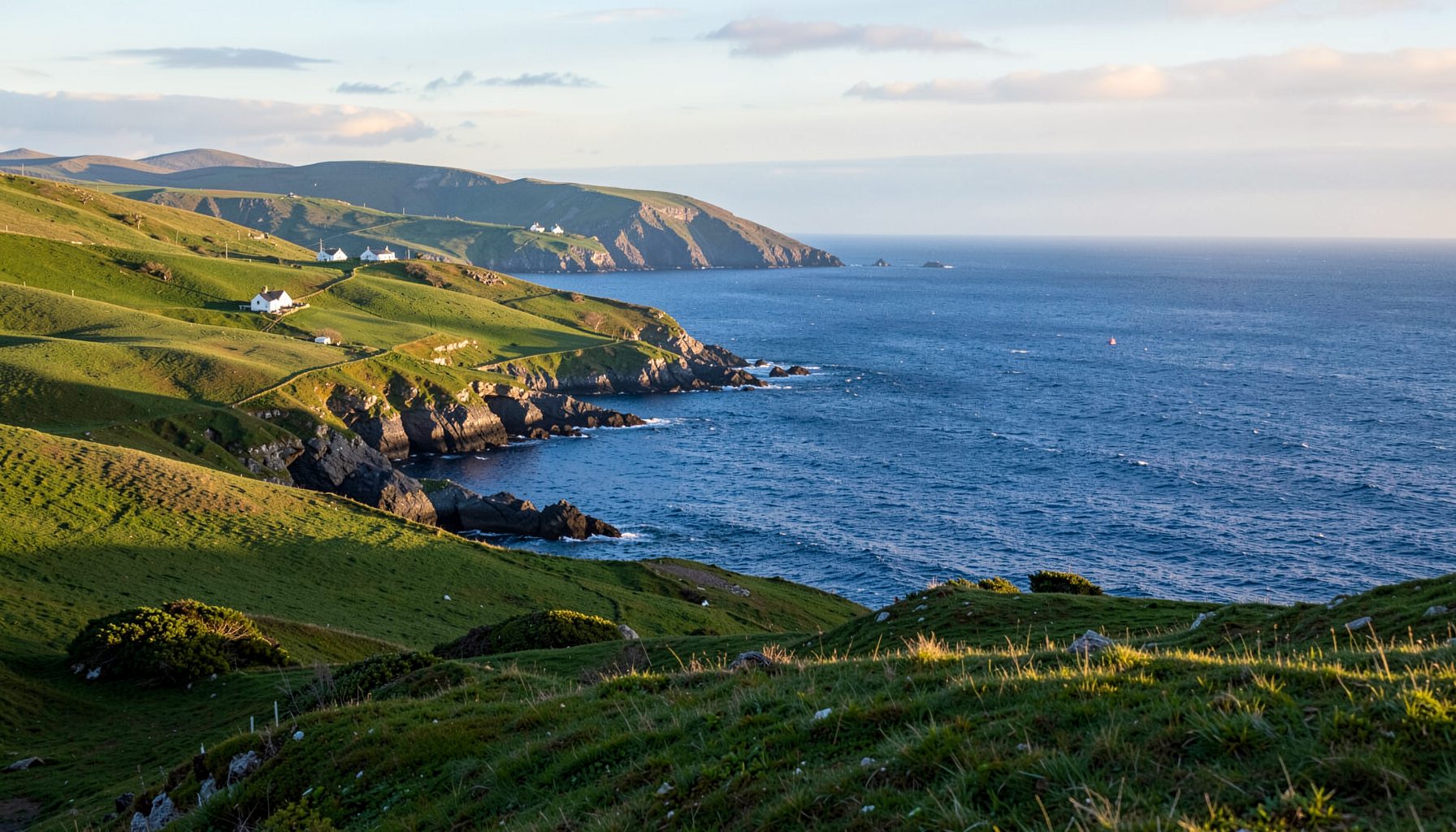
The Life Of A Modern Day Lobster Fisherman On The Coast
Along the Skellig Coast, lobster fishing is shaped by the sea, the seasons and the character of the communities that depend on them. From Kells and Caherdaniel to Portmagee and Castlecove, small boats leave sheltered coves for rocky ground where pots are lowered into deep Atlantic water. The work is local in scale, yet connected to wider markets, marine regulations and changing ocean conditions.
A modern lobster fisherman combines inherited knowledge with navigation equipment, safety systems and careful record-keeping. The day may begin before sunrise, but the work starts much earlier with weather checks, gear maintenance, fuel planning and decisions about where it is safe to operate. A successful trip depends on preparation as much as the catch itself.
This way of life forms part of the living heritage of the Iveragh Peninsula. It supports families, contributes to local food culture and keeps practical knowledge of the coastline in use. It also demands a strong awareness of conservation, since the future of fishing depends on healthy reefs, clean water and sustainable management of marine resources.
Reading The Water And Weather
The Atlantic edge rarely offers predictable working conditions. A calm harbour can conceal a difficult swell beyond the headlands, while wind direction, tide and visibility can change the character of a fishing ground within hours. Fishermen study forecasts, sea-state reports and local conditions before deciding whether to leave port.
Local knowledge remains valuable alongside modern forecasts. Familiar landmarks, tidal runs and the behaviour of seabirds can help an experienced skipper understand what is happening around the boat. Knowledge passed through families and crews often includes details that do not appear on a chart: where gear may drag, which channels become uncomfortable in a particular wind and how quickly weather can travel around the headlands.
Safety is part of every decision. Lifejackets, communications equipment, emergency beacons, navigation lights and well-maintained engines are essential tools rather than optional extras. A fisherman may be working alone or with a small crew, so a minor mechanical problem can become serious if it occurs far from shelter.
A Working Day On A Small Boat
The routine varies with the tide, the season and the location of the pots. Some days involve hauling, checking and resetting gear continuously. On others, time is spent travelling between strings, clearing tangled ropes, repairing damaged pots or returning undersized lobster to the water. The physical work is repetitive, but it requires precision and constant attention.
Pots are baited and placed on suitable seabed, often around rocky areas where lobster are likely to shelter. Each set of gear must be marked correctly and handled carefully to avoid losing equipment or creating hazards for other vessels. The catch is inspected as it comes aboard, with legal-size lobster retained and protected animals released immediately.
The boat is also a workplace that needs regular care. Fuel, bait, ropes, buoys and replacement sections of pot all have to be ready before departure. Saltwater is hard on engines, electronics and metal fittings, so cleaning and maintenance continue after the catch has been landed. A fisherman’s working hours therefore extend well beyond the time spent at sea.
Skill, Regulation And Responsible Harvesting
Lobster fishing is governed by rules designed to protect breeding stock and support the long-term health of the fishery. Requirements can cover licensing, gear, minimum sizes, tagging, landing records and the treatment of berried females. Regulations may be updated, so fishermen need to keep in contact with the relevant authorities and industry information.
Responsible harvesting is visible in small, practical actions. A lobster below the minimum size is returned quickly and carefully. A female carrying eggs is protected, and damaged or unsuitable gear is dealt with rather than abandoned. These measures can seem modest when viewed from a single boat, yet they matter across an entire fishing community.
The work also sits within a wider marine environment. Lobster share coastal waters with crab, fish, seabirds, seals and habitats such as reefs and kelp beds. Clean inshore water, reduced marine litter and thoughtful management of competing activities all contribute to a more resilient coastline. Fishermen are often among the first people to notice changes in water quality, species and seabed conditions.
The Rhythm Of A Coastal Fishery
The following pattern is a general guide rather than a fixed timetable. Weather, regulations, market demand and personal circumstances can alter the working day.
| Part of the working cycle | Typical activity | Why it matters |
|---|---|---|
| Before leaving harbour | Check forecasts, fuel, safety equipment, bait and navigation systems | Reduces risk and prevents avoidable delays |
| At the fishing ground | Haul pots, inspect lobster, record catches and reset gear | Maintains the fishery and protects undersized animals |
| Returning to shore | Land the catch, clean the boat and secure equipment | Preserves quality and prepares for the next trip |
| Between trips | Repair pots, service machinery and review conditions | Keeps the boat and gear safe and effective |
| Through the season | Follow conservation rules and monitor changes at sea | Supports the future of the coastal fishery |
A fisherman’s income can be affected by rough weather, fuel prices, gear loss, catch levels and the price received at the point of sale. Small-scale fishing rarely follows the certainty of a standard working week. The sea sets the timetable, and a run of poor conditions can quickly create financial pressure.
Lobster may move through several stages after landing, including local handling, transport and sale to restaurants, wholesalers or other buyers. Quality depends on careful handling from boat to market. For coastal communities, the value of the catch is connected to this network of people and businesses, including boat suppliers, mechanics, fuel providers and local food producers.
Knowledge Passed Through Families
Fishing knowledge is often learned by doing. A young person may begin by helping with ropes, bait and gear before taking responsibility for navigation, pot handling or catch decisions. Lessons are practical: how to lift safely, how to read a knot, how to judge a rope under strain and how to work efficiently in a confined deck space.
Family experience can reveal how the coastline has changed. Older fishermen may remember different harbour facilities, fish populations, boat designs and market arrangements. Their stories provide a social history of villages along the Iveragh coast, where the sea has influenced employment, settlement and community identity for generations.
The modern industry still needs new entrants, yet becoming a fisherman requires substantial commitment. Training, certification, access to a suitable boat, insurance and equipment all involve expense. A new skipper must develop confidence without underestimating the risks of weather, machinery and fatigue. This combination of tradition and formal preparation defines much of contemporary small-boat fishing.
Communities Connected To The Sea
The fishing industry is woven into the everyday life of coastal villages. Harbours are places of work, conversation and exchange, where boats are launched, gear is repaired and news travels quickly. Local schools, community groups and learning hubs can help younger residents understand the maritime history around them.
Fishing also contributes to the identity of the wider Skellig Coast, alongside farming, tourism, crafts, music and heritage work. Visitors may encounter the region through its spectacular landscapes, the Skellig Islands, the Kerry International Dark Sky Reserve or the villages along the Ring of Kerry. The working harbour adds another dimension to that experience: it shows that the coast is lived in, not simply visited.
Good coastal tourism respects the boundaries of working life. Visitors should keep clear of active gear, follow harbour signs, avoid blocking access roads and ask before photographing people or equipment at close range. These simple courtesies help protect both safety and the dignity of the communities that make the coastline distinctive.
Protecting The Future Of Inshore Fishing
The future of lobster fishing depends on more than the number of lobster landed in a particular season. It is linked to marine planning, climate conditions, habitat protection, fair market access and the ability of young people to enter the industry. Warmer water, changing storm patterns and shifts in species distribution may influence where and when fishing is viable.
Fishermen are important observers of these changes. Their daily experience can complement scientific surveys and official monitoring. Collaboration between fishing communities, marine researchers, regulators and conservation organisations can produce better decisions because it combines measured data with detailed knowledge of local waters.
Practical support for sustainable fishing includes reducing lost gear, reporting unusual marine sightings, disposing of waste responsibly and following current regulations. Consumers also have a role when they value traceable, responsibly handled seafood and recognise the labour behind a local landing.
Ways To Respect A Working Harbour
- Keep clear of ropes, pots, winches and moving boats, even when the harbour appears quiet.
- Follow local signs and never walk across gear or enter restricted working areas.
- Dispose of litter securely, since plastic and fishing line can harm marine life.
- Learn about local fishing heritage through community events, museums and coastal initiatives.
- Check current official guidance before fishing, handling or purchasing locally landed seafood.
A lobster fisherman’s life on the Skellig Coast is demanding, skilled and closely tied to place. It involves early starts, difficult weather, physical labour and constant responsibility, yet it also offers a direct relationship with the Atlantic and a meaningful role in community life. Every safe return to harbour represents knowledge, preparation and respect for the sea.
Explore the Skellig Coast through its villages, harbours, heritage projects and community events. By learning about the people who work these waters and the environments they depend on, visitors and residents can help keep the region’s maritime story visible, valued and connected to its future.