The art of the seanchaí along Ireland’s Skellig Coast
Along Ireland’s south-western coast, storytelling has always been closely tied to place. A headland, holy well, ruined fort, fishing cove or mountain pass can carry layers of memory, connecting family history with folklore, local knowledge and the wider mythology of the Iveragh Peninsula. The seanchaí, traditionally a keeper and teller of stories, gave these memories a living voice.
The art of the seanchaí is more than the performance of an old tale. It is a way of interpreting the landscape and passing on values, warnings, humour and identity. Stories might explain a landmark, preserve an account of a remarkable neighbour, or place a local experience within the imaginative world of Irish mythology.
From Kells to Castlecove, the Skellig Coast offers a rich setting for understanding this tradition. Communities here continue to value conversation, cultural initiatives, heritage projects and shared learning, while the coastline itself remains an enduring source of inspiration.
The role of the seanchaí in Irish life
The word seanchaí comes from the Irish tradition of historical and genealogical knowledge. A seanchaí was often recognised as someone with an exceptional memory, a gift for language and a deep understanding of local customs. Their knowledge could include folklore, family connections, placenames, old events and stories associated with particular fields or stretches of coast.
In earlier generations, storytelling commonly took place in homes, kitchens and places where neighbours gathered. The setting mattered because the audience was usually familiar with the people and locations being described. A story about a storm, a fairy fort or a journey across the peninsula could be understood through shared experience.
The storyteller’s authority did not necessarily depend on written records. Voice, rhythm, repetition and detail helped preserve the structure of a tale. Listeners also played an important role: they remembered versions, corrected mistakes, added context and carried stories into the next generation.
When the landscape becomes a storyteller
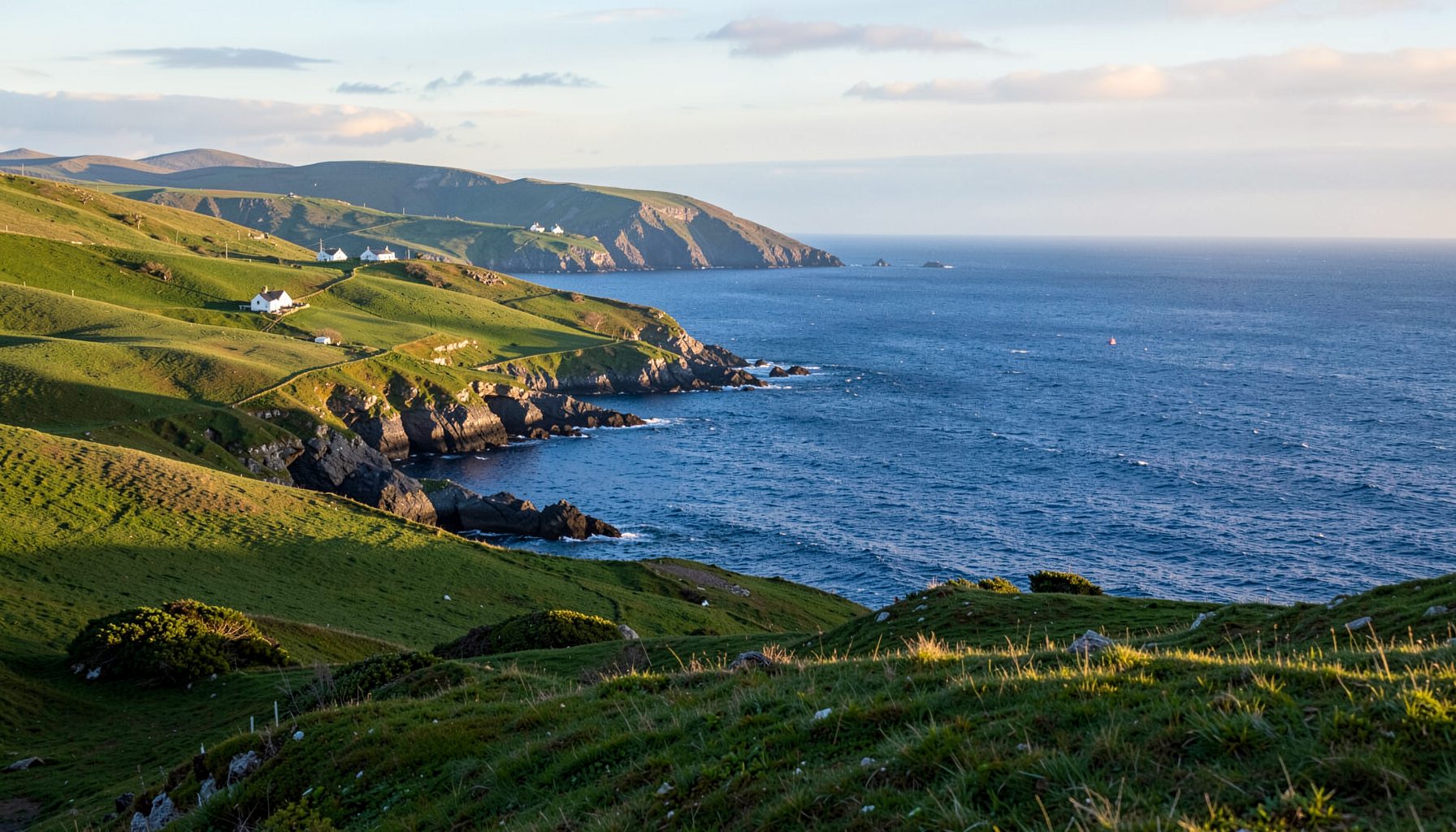
The Skellig Coast is a place where geography and memory meet. Its rocky shoreline, islands, cliffs and mountain roads have shaped how people travelled, worked and understood their surroundings. In oral tradition, the landscape is rarely just a backdrop. It can become a character, a witness or a source of mystery.
Stories connected with Skellig Michael illustrate this relationship between place, faith and imagination. The island’s monastic remains point to an extraordinary religious settlement, while its isolation has encouraged centuries of reflection and legend. As a UNESCO World Heritage Site and a filming location associated with Star Wars, Skellig Michael is known around the world, yet local storytelling helps place it within a much older cultural landscape.
Other locations may carry quieter memories: a cove associated with a dangerous crossing, a ruined structure linked to a family, or a townland whose name preserves an older meaning. Exploring the local heritage story of the region means paying attention to these connections rather than viewing attractions as isolated points on a map.
How an oral tale is made memorable
A skilled seanchaí understands that a story needs shape. Even a short anecdote may begin with a vivid setting, introduce a person or problem, build suspense and finish with a memorable turn. Traditional tales often use patterns that help listeners follow the action, including repeated phrases, three-part sequences and sharply drawn characters.
Delivery is as significant as content. A pause can suggest danger; a change in pace can create excitement; a quiet aside can make a familiar event seem newly important. Humour may sit alongside sorrow, and a supernatural element may be presented with the same calm confidence as an account of daily work.
The best storytelling leaves space for the listener’s imagination. Rather than explaining every meaning, the seanchaí may allow a strange detail or unresolved ending to remain in the mind. This quality is especially powerful in coastal stories, where fog, darkness, weather and distance naturally create an atmosphere of uncertainty.
From fireside gatherings to community learning
Oral tradition has changed with the times, but it has not disappeared. Storytelling can now be found in schools, libraries, heritage groups, walking programmes, local festivals, cultural initiatives and community events. These settings give younger people opportunities to hear the language, names and memories of the area in an active social context.
Digital recordings and local archives can support this work, especially when they are created with the permission of storytellers and families. A recording preserves a voice, but it cannot fully reproduce the warmth of a shared gathering. The relationship between teller and audience remains central.
| Element of the tradition | What it contributes | How it can appear today |
|---|---|---|
| Place | Grounds the story in a recognisable landscape | Heritage walks and placename projects |
| Voice | Carries character, rhythm and emotion | Recorded interviews and live readings |
| Memory | Preserves family and community knowledge | Oral history archives |
| Imagination | Connects ordinary events with legend | Folklore sessions and creative writing |
| Audience | Gives the story meaning through response | School groups and community gatherings |
Learning hubs and local cultural projects can also encourage people to collect stories responsibly. A useful interview may begin with an everyday subject such as work, weather or childhood and gradually reveal a larger history. In this way, community storytelling records both celebrated heritage and the ordinary experiences that give a place its character.
Listening with care and attention
Anyone who listens to local stories should remember that oral history is personal. A tale may contain several versions, and each version can reflect the teller’s experience, family background or sense of place. Treating one account as the only “correct” version can remove the richness that makes oral tradition distinctive.
Respect also matters when stories concern private grief, conflict, sacred places or family history. Not every story is intended for publication, tourism promotion or public performance. Consent, accurate attribution and careful context help ensure that community knowledge is shared without being taken out of its meaning.
Visitors can listen respectfully by slowing down and noticing how a story is told. Ask about the origin of a placename, learn a few Irish words, attend a local event or spend time with a heritage interpretation project. The goal is not to collect picturesque anecdotes, but to understand how people relate to their home.
Ways to keep the tradition alive
The future of seanchaíocht depends on use. A story survives when it is told, heard, remembered and given room to change naturally. Young people may encounter traditional material through Irish-language classes, performance, podcasts, school projects or conversations with older members of the community.
Modern formats can extend the reach of storytelling without replacing the human encounter. A short audio piece can introduce a local legend, while a guided walk can connect that legend with the ground beneath the listener’s feet. Community archives can bring together photographs, maps, interviews and written records, creating a fuller picture of the past.
Practical ways to support living storytelling include:
- Attend local heritage talks, storytelling sessions and cultural gatherings.
- Encourage children to interview relatives about places, work and family memories.
- Record oral histories only with clear permission and agreed conditions.
- Learn the Irish names of townlands, landmarks and coastal features.
- Share local stories with their context, acknowledging the people who preserved them.
The most meaningful support is often simple: give a good storyteller time, attention and an audience. A conversation about a familiar road or a long-remembered storm may contain more historical insight than expected.
The seanchaí tradition belongs to the present as much as to the past. On the Skellig Coast, stories continue to connect communities with the sea, the hills, the islands and the people who have shaped life on the peninsula. Explore local heritage, join a community event or listen closely to the voices that give this remarkable coastline its meaning.