Waterville’s Annual Regatta and Boat Races
Each summer, Waterville’s shoreline and waterways become the setting for one of the community’s most distinctive traditions. The annual regatta and boats race bring together rowers, families, visitors, and local supporters for a day shaped by competition, conversation, and a strong connection to the water.
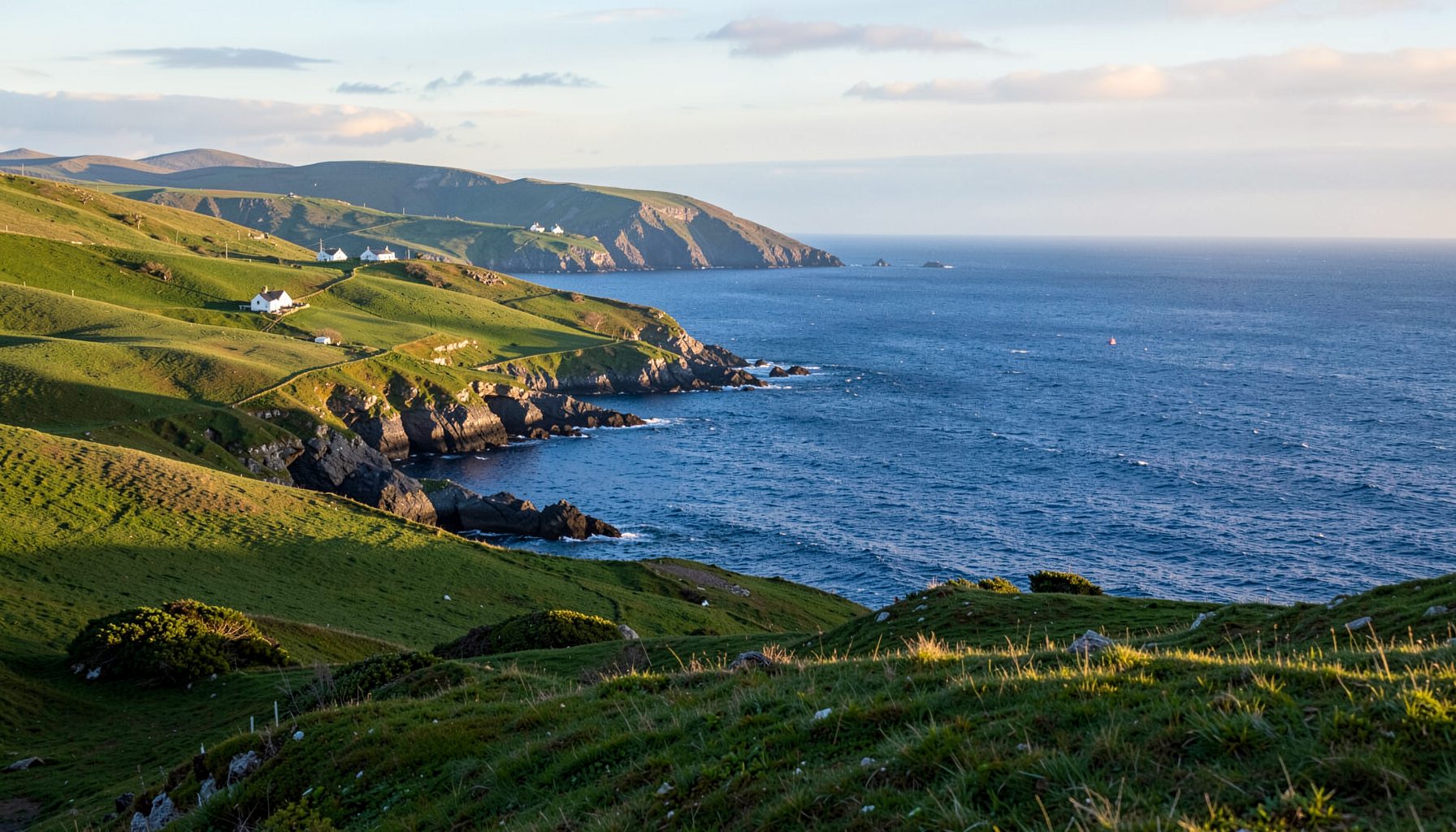
The event belongs to the character of Waterville, a village positioned between the Atlantic Ocean and Lough Currane on the Iveragh Peninsula. Its setting gives the races a special atmosphere: boats move across a familiar local landscape while spectators gather along the shore, at the pier, or near the course to follow the action.
A regatta is more than a sporting fixture. It carries memories of older boating practices, community fundraising, summer gatherings, and the practical importance of the sea and lakes around the Skellig Coast. For residents, it is part of the annual rhythm of the village; for visitors, it offers a lively way to encounter local culture beyond the better-known scenic viewpoints.
A summer tradition by land and water
Waterville’s boat races are associated with the waters around the village and Lough Currane, a large freshwater lake that has long influenced local life. The precise programme and course can vary from year to year, so the event is best understood as a living tradition rather than a fixed historical re-enactment.
The regatta usually combines racing with a broader social occasion. People arrive early to meet friends, watch preparations, and find a good view before the boats take to the water. The atmosphere can shift quickly from relaxed conversation to concentrated excitement when crews line up and the starting signal is given.
Weather plays an important part in any outdoor event on the Iveragh Peninsula. A calm, bright day can make the water appear almost motionless before the race begins, while wind and changing conditions add another layer of uncertainty. The crews must respond to the water as it is, just as generations of local boat users have done.
The boats, crews, and racing spirit
The appeal of the Waterville regatta rests partly on the boats themselves. Traditional and locally familiar craft connect the event with the working history of the region, where boats supported fishing, transport, island travel, and access to remote parts of the coast. Their design reflects practical knowledge built around stability, balance, and the demands of local waters.
Crews rely on timing as much as strength. A boat can lose ground when rowers fall out of rhythm, and a strong start does not guarantee victory if the crew cannot maintain its pace. From the shore, spectators may see only a short race, but each result reflects coordination, preparation, and an understanding of the course.
Different races may suit different ages and levels of experience. Younger participants can become involved in a setting that makes rowing and boating feel accessible, while experienced crews provide the most competitive moments of the day. This mixture helps the regatta remain a community occasion rather than a narrow elite sporting event.
More than a race day
The annual event creates a meeting point for people who live in Waterville and the surrounding townlands. Former residents may return for the occasion, families make a day of it, and local organisations often contribute through planning, fundraising, marshalling, refreshments, or promotion.
That community involvement is central to the regatta’s endurance. Water-based traditions require practical support, including safety arrangements, boat preparation, suitable launching areas, and volunteers who understand the local conditions. The visible races are the result of many tasks carried out before the public gathering begins.
The event also provides a welcoming setting for visitors. Someone arriving in Waterville for the first time can see how the village’s social life is connected to its landscape. Conversations around the race often lead to stories about local families, former winners, boats that have disappeared from regular use, and the changing relationship between the community and the water.
Reading the landscape around Waterville
The regatta takes place within a landscape shaped by mountains, lake, river, and Atlantic coast. Lough Currane lies close to the village and is known for its fishing waters, while the coast opens towards Ballinskelligs Bay and the islands of the wider Skellig region. These natural features give the event a setting that changes with the light and weather.
For visitors, the race can be combined with a gentle exploration of Waterville. The promenade, shoreline, village streets, and nearby viewpoints offer different perspectives on the area. The presence of the boats also encourages people to look closely at the waterways as working and cultural spaces, rather than treating them simply as scenic backgrounds.
The wider region contains many reminders of Ireland’s maritime and rural heritage. Stone walls, piers, old routes, fishing places, and small harbours show how communities adapted to a rugged peninsula. A local regatta fits naturally within that story because it keeps attention focused on skills and relationships that have shaped life along the coast.
| What to notice | Why it matters |
|---|---|
| The boat design | It reflects practical responses to local waters and traditional use |
| The crew’s rhythm | Coordinated rowing shows how teamwork affects speed and control |
| The shoreline gathering | Spectators turn a sporting contest into a shared community occasion |
| The changing weather | Wind, light, and water conditions influence the character of each race |
| Volunteer involvement | Local events depend on organisation, safety, and intergenerational support |
Planning a visit around the regatta
Dates, starting times, race categories, and viewing arrangements may change, particularly when weather or water conditions affect the programme. Visitors should check current local announcements before setting out rather than relying on an old poster or a previous year’s schedule.
Waterville is accessible by road as part of the Ring of Kerry and makes a useful base for exploring the southern and western parts of the Iveragh Peninsula. On a busy event day, arriving with time to spare allows visitors to find parking responsibly, walk to the viewing area, and enjoy the village before the races begin.
Comfortable clothing and sensible footwear are worthwhile, even in summer. Conditions beside the water can be cooler and windier than expected, while wet ground or uneven paths may make movement difficult. Binoculars can add to the experience, especially when the race course is viewed from a distance, but the best part of the day is often the collective response from the crowd.
Those seeking current information about the event, local initiatives, or community activities can contact the Skellig Coast team. Local knowledge is particularly useful when arrangements are updated close to the date or when a programme includes related music, family activities, or heritage events.
Respecting the water and the community
A regatta is an organised event with its own safety requirements. Spectators should remain behind barriers or designated areas, follow instructions from stewards, and avoid entering launching or boat-handling spaces. Children need close supervision near piers, slipways, and open water.
Visitors can also help preserve the character of the occasion by keeping noise reasonable during announcements, taking litter away, and supporting local facilities where possible. The village has limited space, and considerate parking is important for residents, emergency access, and the smooth movement of boats and equipment.
Photography is usually part of the atmosphere, but people involved in the event deserve the same courtesy as participants anywhere else. A respectful image of the boats, lake, or shoreline can record the day without interrupting preparations or placing anyone at risk. The strongest memories often come from observing the event as a shared local experience.
Keeping a living tradition visible
The annual regatta and boats race at Waterville show how heritage can remain active. The tradition is preserved through participation rather than display: crews continue to row, volunteers continue to organise, and families continue to return to the water together.
Its value lies in the connections it creates between sport, landscape, memory, and community life. The races may last only a short time, yet they bring attention to the skills, places, and stories that make Waterville distinctive. They also remind visitors that the Skellig Coast is shaped by its communities as much as by its dramatic scenery.
Add the regatta to a wider visit through Waterville and the Iveragh Peninsula, taking time to explore the shoreline, learn about local heritage, and support the people who keep regional traditions active. Follow Skellig Coast for community information and cultural stories that bring the area’s living history into view.