How to Volunteer for Local Beach Cleanups on the Iveragh Peninsula
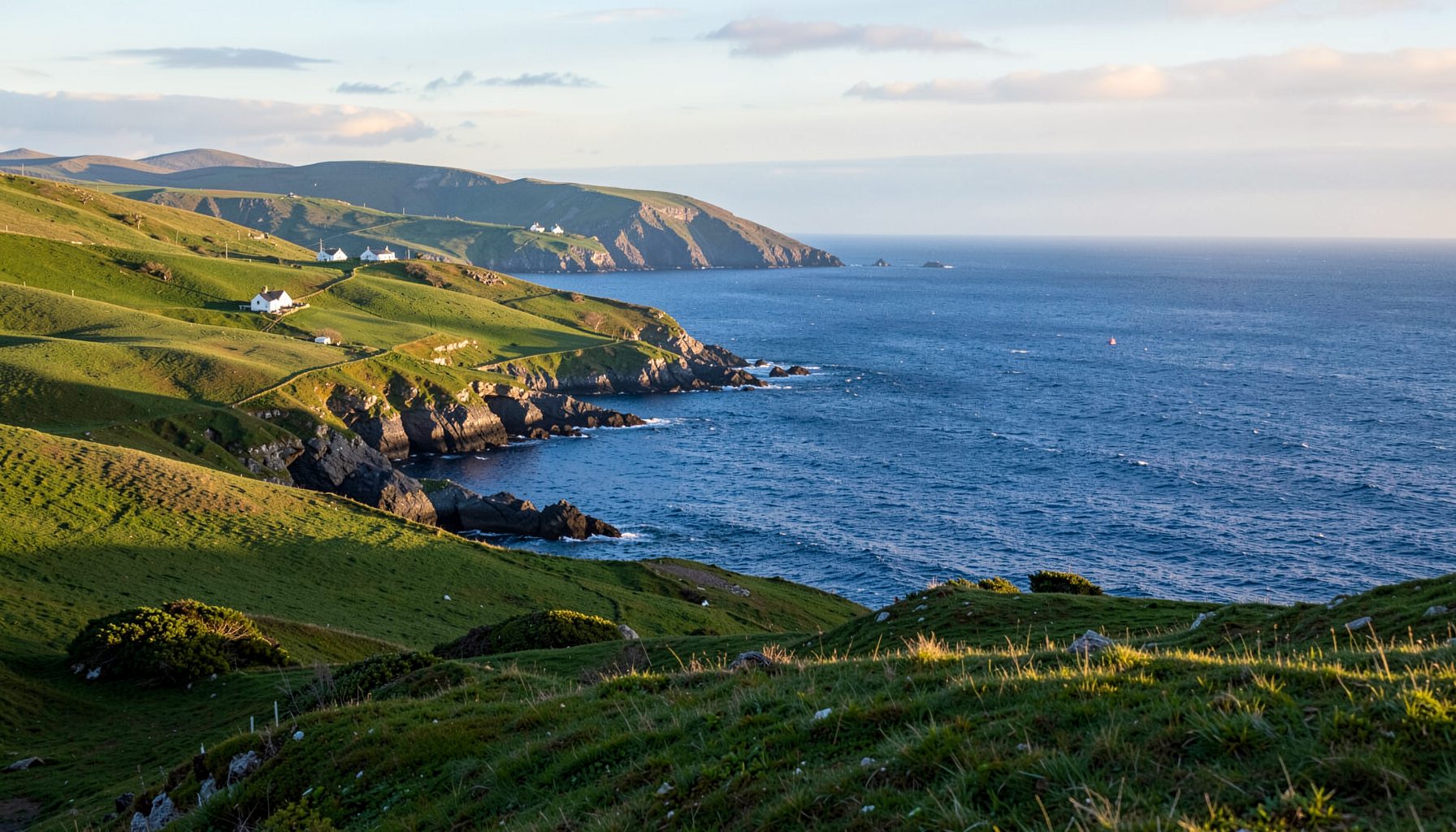
The coastline of the Iveragh Peninsula stretches from sheltered bays and harbours to exposed Atlantic beaches, with communities from Kells and Caherdaniel to Waterville, Portmagee, Valentia and Castlecove. These places share a strong connection with the sea, and local volunteers play an important role in keeping beaches, coves and coastal paths welcoming for residents, wildlife and visitors.
Beach cleaning is practical community work, but it is also a way to learn about the shoreline. A short session can reveal how plastic rope, fishing materials, food packaging and storm debris travel through the Atlantic environment. It can also connect newcomers with schools, tidy towns groups, environmental organisations and local residents who care for the coast throughout the year.
There is no single schedule for every beach on the peninsula. Cleanups may be organised by a registered Clean Coasts group, a community association, a local business, a school or a wider environmental campaign. The most reliable approach is to identify the group responsible for a particular strand or harbour, check the details before attending and follow the organiser’s safety instructions.
Find A Local Cleanup Group
Clean Coasts is one of the most useful starting points for finding coastal volunteer activity in Ireland. Its network includes community groups that organise beach cleans, marine litter surveys, awareness events and educational projects. The Clean Coasts website provides information about registered groups and national campaigns, although individual events may also be promoted locally.
On the Iveragh Peninsula, check community noticeboards, parish newsletters, local social media pages and websites for villages along the Skellig Coast. TidyTowns committees, development associations, environmental groups and outdoor education providers may announce dates independently. Libraries, community centres and local learning hubs can also point volunteers towards current initiatives.
Contact the organiser before travelling if the event details are unclear. Ask which beach is being cleaned, where volunteers should meet, whether equipment is provided and whether children can attend. Some groups welcome drop-in volunteers, while others need advance registration because of limited equipment, insurance arrangements or site-specific safety requirements.
Choose The Right Beach And Date
The best beach cleanup is one that matches the conditions, the group’s capacity and your own experience. A sheltered strand may be suitable for families and first-time volunteers, while an exposed Atlantic beach can involve steep access, slippery rocks, strong winds or heavy storm debris. Organisers usually select dates with tides, weather and daylight in mind.
Tide times are especially important around rocky shores, coves and estuaries. Rising water can cut off access routes or move litter into channels, while a falling tide may reveal areas that are unsafe to reach without specialist equipment. Never cross a tidal inlet or climb onto unstable rocks simply to collect one item. The organiser’s chosen boundary should be treated as part of the safety plan.
Weather on the Iveragh coast can change quickly. Rain, wind, cold temperatures and bright sun are all possible during a single outing. Wear layers, sturdy footwear with good grip and clothing that can get dirty. Waterproof gloves are useful, while high-visibility clothing may be appropriate near roads, car parks or working harbours.
Prepare For A Safe Volunteer Session
Most community beach cleans provide litter pickers, refuse sacks and hand protection, but this varies. Bring your own reusable water bottle, weatherproof clothing, hand sanitiser and a small first-aid supply if appropriate. Avoid bringing single-use packaging that could become additional beach litter. A charged mobile phone is sensible, although signal can be limited in some coastal areas.
Volunteers should work in pairs or within sight of the group leader. Use a litter picker rather than reaching into seaweed, rock pools, driftwood or crevices by hand. Do not handle syringes, chemicals, pressurised containers, sealed packages, ammunition, dead animals or large objects that may contain trapped wildlife. Mark the location and tell the organiser immediately.
Sharp fishing hooks, tangled line and fragments of glass require particular care. Never pull an entangled animal or bird free without guidance from an appropriate wildlife rescue service. If anyone is injured or exposed to a dangerous substance, stop work and follow the organiser’s emergency procedure. A beach clean should reduce harm, never create a new risk.
Sort And Record What You Collect
Removing litter is only part of the work. Sorting waste helps organisers understand what reaches a particular stretch of coast and can support campaigns to reduce the problem at source. Common finds include drinks containers, food wrappers, cigarette butts, fishing line, rope, fragments of hard plastic and pieces of polystyrene.
Follow the local group’s instructions for separating recyclable material, general waste and items requiring special handling. Do not assume that every plastic object belongs in household recycling. Contaminated, composite or heavily degraded materials may need a different disposal route, and the council or organiser can provide the correct advice.
Some groups record the number and type of items collected through a marine litter survey. A consistent record can show seasonal patterns, identify repeated sources and strengthen evidence for better waste management. Photos can be useful for the group’s records, but avoid photographing people, children or private property without permission.
| What To Check | Why It Matters | Useful Action |
|---|---|---|
| Meeting point and access | Coastal locations may have limited parking or uneven paths | Arrive early and follow the organiser’s parking directions |
| Tide and weather | Water levels, wind and visibility affect safe working areas | Check the forecast and attend only within the agreed conditions |
| Equipment | Groups differ in the tools and protective gear they provide | Confirm whether to bring gloves, boots or a litter picker |
| Waste handling | Some items cannot go into ordinary recycling | Keep unusual or hazardous objects separate and report them |
| Children and dogs | Certain sites have cliffs, livestock, roads or sensitive wildlife | Confirm age rules and local guidance before bringing either |
| Follow-up | A cleanup is more effective when results are recorded | Submit counts, photographs or feedback as requested |
Respect Wildlife And Coastal Heritage
The Iveragh Peninsula is valued for its habitats, geology and cultural history as well as its scenery. Beaches may support wading birds, seals, nesting seabirds, dune plants and marine invertebrates. Work around dunes, nesting areas, rock pools and wrack lines should follow the organiser’s boundaries. Seaweed and natural driftwood are often part of the ecosystem and should not be removed unless the group has identified them as harmful debris.
The shoreline also contains evidence of long human use, from fishing and farming traditions to piers, slipways, stone walls and archaeological sites. Volunteers should not disturb artefacts, move stones from historic structures or enter restricted areas. Around harbours, give working boats, vehicles and equipment plenty of space, and follow instructions from harbour personnel.
The wider region includes internationally recognised places such as Skellig Michael, a UNESCO World Heritage Site, as well as coastal landscapes associated with maritime heritage and the filming of Star Wars. A cleanup on an ordinary local beach contributes to the care of the same wider environment that draws attention to the Skellig Coast. Responsible volunteering means protecting the character of these places rather than treating them as disposable backdrops.
Make Beach Care A Regular Habit
A single organised event can remove a significant amount of litter, yet regular local action creates a deeper benefit. Consider joining a registered coastal group, helping with seasonal surveys or supporting a school and community awareness project. Groups often need assistance with administration, event promotion, data entry and public information as well as physical litter collection.
Visitors can contribute by carrying out all personal waste, avoiding disposable items where practical and reporting overflowing bins or illegal dumping through the appropriate local authority channel. Businesses and event organisers can reduce coastal waste by providing refill points, managing cigarette litter and securing materials before windy weather.
Useful ways to contribute include:
- Register with a Clean Coasts group serving a nearby village, beach or harbour.
- Check tide, weather, access and meeting arrangements before every cleanup.
- Bring reusable water, suitable clothing and sturdy footwear.
- Use the supplied tools and report hazardous items instead of handling them.
- Share accurate litter counts and encourage others to protect the shoreline year-round.
The most valuable volunteer is a careful one. Turning up prepared, respecting local instructions and leaving natural materials undisturbed allows organisers to continue their work safely. It also ensures that the time spent collecting rubbish produces useful information for the community.
Look for the next registered beach clean through Clean Coasts, local community pages, TidyTowns networks and noticeboards across the Iveragh Peninsula. By joining a properly organised session near Kells, Waterville, Portmagee, Valentia, Caherdaniel or Castlecove, you can help protect the living coastline and strengthen the community effort that keeps the Skellig Coast cared for.