How to explore the lighthouses and coast of Valentia Island
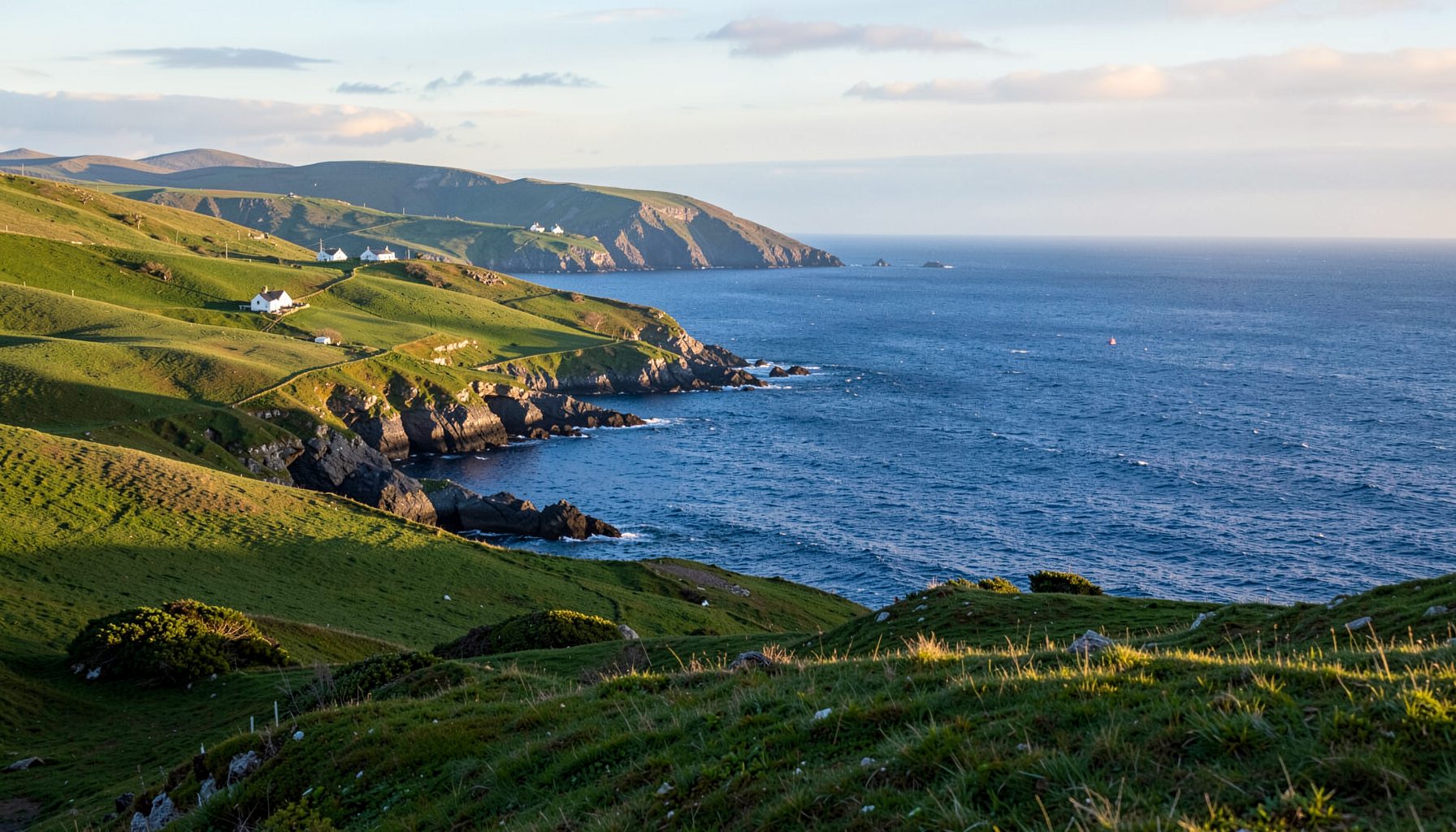
Valentia Island sits off the Iveragh Peninsula, linked to mainland Kerry by bridge at Portmagee and by a seasonal ferry from Renard Point. Its dramatic shoreline, maritime history and views towards the Skellig Islands make it one of the most rewarding places to explore along the Skellig Coast.
When visitors refer to the Valentia Island lighthouses, they generally mean Cromwell Point Lighthouse, also known as Valentia Island Lighthouse. The historic light station stands on the island’s northern coast, where a defensive fort, a lighthouse tower and wide Atlantic views come together in one compact site. The plural is useful, however, because the experience extends beyond the tower itself into the island’s wider network of headlands, harbours and navigation landmarks.
A visit works best when treated as a heritage and landscape outing rather than a quick photo stop. Allow time for the lighthouse grounds, the coastal road, Knightstown, nearby geological sites and the changing weather that gives Valentia much of its character.
Find Cromwell Point on the island
Cromwell Point Lighthouse is on the north-western side of Valentia Island, reached by following local roads from Knightstown. The approach passes through a quiet rural landscape before opening towards the coast. Satnav directions can be useful, though visitors should expect narrow roads and should drive slowly when meeting other vehicles.
The lighthouse occupies the site of a former coastal fortification. Its position was chosen for practical reasons: ships approaching the Kerry coast needed a reliable light, while the headland offered a strong defensive setting. The tower, keeper’s buildings and surrounding walls create a concentrated historic landscape that feels very different from a modern navigation station.
The lighthouse is part of the Great Lighthouses of Ireland network. Its story belongs to a much larger maritime heritage shared by Irish coastal communities, where light stations helped vessels identify dangerous shores, harbours and offshore hazards. Before setting out, check the attraction’s current opening arrangements, admission details and seasonal schedule, as access can vary.
Understand the lighthouse before you visit
The present lighthouse at Cromwell Point was established in the nineteenth century and became an important aid to navigation along the south-west coast. Its white tower is modest in scale compared with some Irish lighthouse complexes, yet the location gives it considerable visual impact. The Atlantic lies immediately beyond the surrounding grassland and stone boundaries.
A guided visit can add meaning to features that might otherwise be easy to overlook. The keeper’s accommodation, service buildings and working elements reveal how isolated lighthouse life could be. The station depended on careful routines, maintenance and watchfulness, especially before automation reduced the need for resident keepers.
The surrounding fortifications add another historical layer. Rather than viewing the light as an isolated monument, look at how the defensive site, lighthouse and coastline relate to each other. That combination helps explain why Cromwell Point is more than a scenic viewpoint: it is a record of military planning, maritime trade and changing technology.
Choose the right pace for your visit
Cromwell Point is suitable for a short visit, but rushing through the grounds misses much of its appeal. Give yourself time to examine the tower from different angles, read the interpretation panels and pause along the coastal edge. On a clear day, the views towards the Skellig region and the mainland are especially memorable.
Weather should shape your plans. Valentia’s exposed position means that wind, mist and sudden rain can arrive quickly, even when conditions seem calm in Knightstown. Wear firm footwear and bring an extra layer. The ground around historic buildings may be uneven, and wet grass can become slippery.
The following guide can help match the experience to the time available:
| Visit style | What to include | Suitable for |
|---|---|---|
| Short stop | Lighthouse exterior, grounds and coastal views | Travellers with limited time |
| Heritage visit | Guided tour, fortifications and keeper’s buildings | History enthusiasts |
| Half-day outing | Lighthouse, Knightstown and a coastal viewpoint | Most first-time visitors |
| Full island day | Lighthouse, geology, museums and scenic roads | Families and independent explorers |
Opening times and tour availability should be confirmed before travel, particularly outside the main summer season. Some parts of a historic lighthouse may also depend on weather, staffing or conservation requirements.
Connect the lighthouse with Valentia’s maritime story
Knightstown is a natural companion to a lighthouse visit. The planned village was developed as a harbour settlement and retains a strong relationship with the sea. Its streets, quayside and views across Valentia Harbour help visitors understand the island as a working maritime community rather than simply a scenic destination.
Valentia also played a major role in the history of global communications. The first successful transatlantic telegraph cable connection reached the island in 1866, linking Ireland with Newfoundland. The cable station story adds a modern technological dimension to the older lighthouse tradition: both depended on Valentia’s position at the western edge of Europe.
For wider local history, walking routes and community information across the peninsula, the Skellig Coast guide provides useful regional context. It can help place the lighthouse within a broader landscape that includes villages, heritage projects, outdoor activities and the communities between Kells and Castlecove.
Explore the surrounding coastal landscape
The road to Cromwell Point can be combined with other Valentia Island attractions. Geokaun Mountain offers elevated views over the island, Portmagee Channel and the Skellig coast, while the Tetrapod Trackway preserves evidence of ancient life in the Devonian rocks. These places reveal why Valentia is significant for geology as well as maritime history.
The island’s coastline is best explored selectively rather than by trying to stop everywhere. Choose viewpoints where parking is safe and avoid blocking narrow lanes. At cliffs and exposed headlands, keep well back from edges, particularly in strong wind or poor visibility. Ocean conditions can change quickly, and attractive rocks may be difficult or dangerous to reach.
A route combining Cromwell Point with Knightstown creates a balanced day. Begin with the lighthouse while energy and daylight are plentiful, continue to the village for food or a harbour walk, then choose one additional viewpoint or heritage site. This approach leaves room for delays caused by weather, ferry traffic or slow local roads.
Make the visit respectful and practical
Valentia Island is a living community as well as a heritage destination. Residents share the roads, piers and public spaces with visitors, so considerate driving matters. Use designated parking areas, keep gateways clear and follow instructions at the lighthouse. Dogs should be managed according to site rules, particularly near livestock, nesting birds and cliff paths.
Avoid climbing walls, touching historic equipment or entering closed areas. Coastal heritage is vulnerable to erosion, salt and heavy footfall. Staying on established paths protects the landscape and makes the experience safer for everyone. Take litter away with you, including food packaging and disposable coffee cups.
A few simple choices can make the day smoother:
- Check lighthouse opening times and tour arrangements before leaving the mainland.
- Bring waterproof clothing, sturdy footwear, water and a charged phone.
- Download or save directions because mobile coverage can vary in rural areas.
- Allow extra time for narrow roads, viewpoints and changing weather.
- Combine the lighthouse with Knightstown or another island heritage site rather than overloading the itinerary.
See the lighthouse as part of the Skellig Coast
Cromwell Point is compelling because several strands of Valentia Island’s identity meet there. The tower represents coastal safety, the fort reflects military history, and the surrounding Atlantic landscape connects the island with the wider maritime world. Looking outward, visitors see the waters that shaped trade, communication and settlement across south-west Kerry.
The experience also complements visits to the Skellig Islands and other attractions around the Iveragh Peninsula. Skellig Michael is famous for its early monastic settlement and UNESCO status, while Valentia offers a more accessible way to encounter the region’s coastal heritage from land. Together, these places show how communities adapted to a remote and powerful environment.
Plan your route around the lighthouse’s current visiting arrangements, then leave enough time to experience the island beyond the tower. Walk the harbour, explore its geological story and pause at the headlands. A thoughtful day on Valentia Island turns a lighthouse visit into a richer understanding of the people, places and ocean that define the Skellig Coast.