A Self-Guided Tour of the Killarney National Park from the Coast
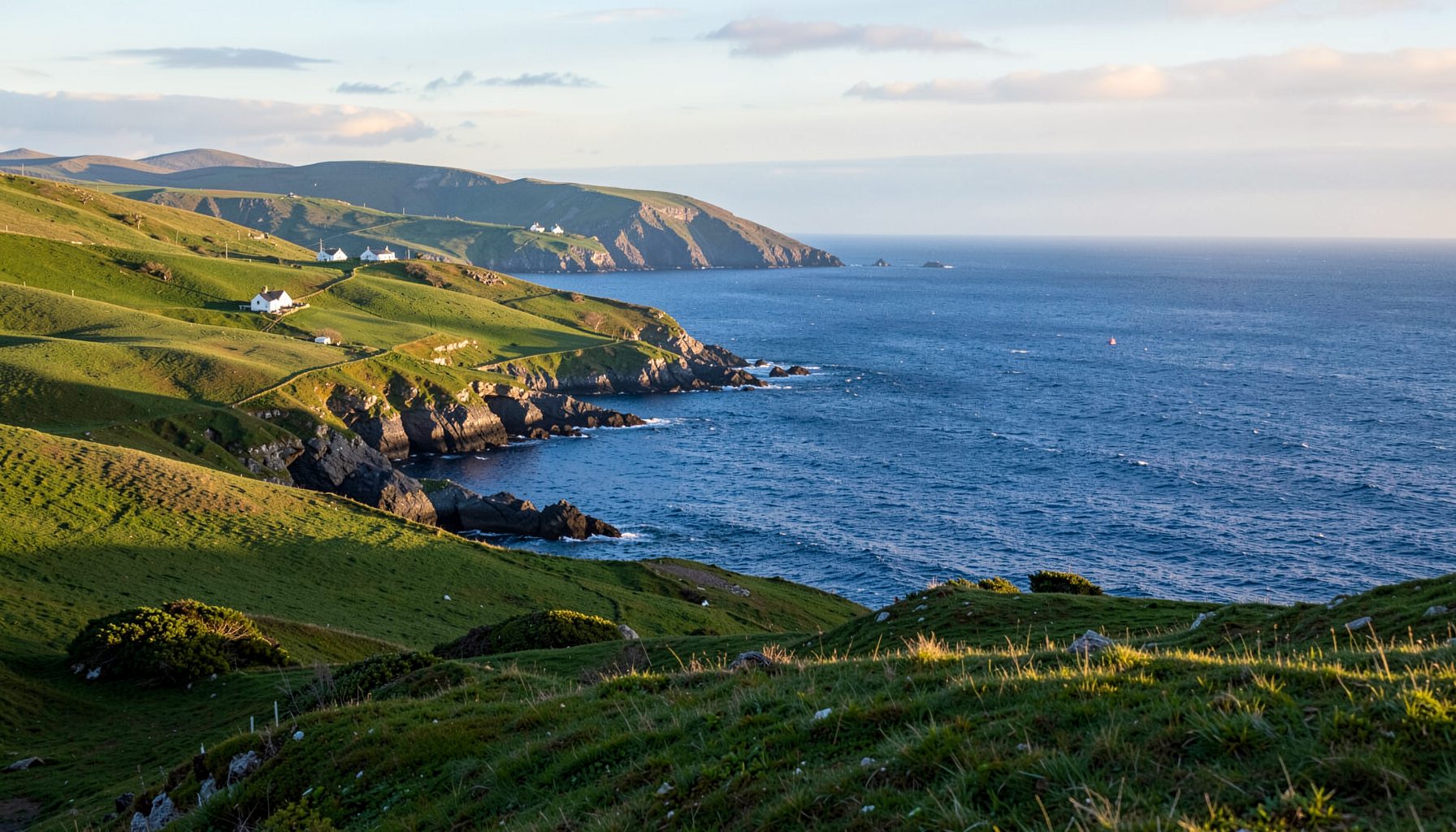
The journey from the Skellig Coast to Killarney National Park connects two very different landscapes on Ireland’s Iveragh Peninsula. Along the coast, the Atlantic shapes exposed headlands, small harbours and rugged walking routes. Inland, the national park gathers lakes, wooded valleys, waterfalls and historic estates around Killarney.
A self-guided visit works well because the park is made up of several distinct areas rather than one single attraction. You can combine a short lakeside walk with a heritage stop, follow a woodland trail, or spend the day exploring viewpoints and quiet roads. The right route depends on your starting village, available transport, weather and appetite for walking.
From communities around Kells, Glenbeigh, Cahersiveen, Waterville, Ballinskelligs, Portmagee and Castlecove, the practical approach is to travel east through the Iveragh landscape before reaching Killarney town. Allow extra time for narrow roads, photo stops and seasonal traffic. The journey itself is part of the experience.
Planning the Journey Inland
Killarney is the main gateway to the national park and the most useful place to begin a self-guided day. From the western coast, routes generally lead towards Killorglin and then on to Killarney, although the exact journey varies considerably by departure point. A private car gives the greatest flexibility, while bus connections may require careful planning and may not reach every park attraction directly.
Start by choosing a central focus rather than attempting to see everything. Muckross, Torc and the lakes form one practical cluster, while Ross Castle and the town side of the park suit a shorter visit. Ladies View and the Gap of Dunloe are better treated as scenic extensions because they involve additional driving and may not fit comfortably into a day that begins on the coast.
Check opening times for managed attractions before setting out. The national park’s roads, paths and public spaces are different from ticketed sites such as Muckross House or boat trips. A walking day can remain flexible, but heritage interiors and organised activities usually require more fixed timing.
Begin with Killarney Town
Killarney town is a convenient place to orientate yourself, collect supplies and confirm the day’s route. It also provides access to public transport, cycle hire and local information. If you arrive early, a short walk through the town centre can help you settle into the pace of the day before entering the park.
From town, Ross Castle is one of the easiest first stops. The fifteenth-century lakeside stronghold stands beside Lough Leane and offers a clear sense of how the park’s scenery and history overlap. The castle grounds and nearby paths can be explored without committing to a long hike, while guided access inside the building is generally seasonal and separately managed.
The route from Ross Castle towards Muckross follows a mixture of road, lakeshore and woodland scenery. Cyclists and walkers should pay attention to other users, particularly on busy days. If driving, use designated parking areas and avoid blocking narrow entrances or passing places. Moving slowly is both safer and more rewarding in a landscape where red deer, birds and changing views can appear unexpectedly.
Explore Muckross, Torc and the Lakes
Muckross is the cultural heart of many visits to Killarney National Park. Muckross House, the gardens, Muckross Abbey and the surrounding paths allow visitors to combine social history, architecture and nature. The estate’s setting beside the lake makes it especially effective as a self-guided stop, since a short visit can be extended into a longer walk without changing location.
Muckross Abbey is one of the most memorable historic sites in the park. Its roofless church, yew tree and enclosed atmosphere reflect the religious and political history of the region. Read the information panels carefully, as they provide useful context for the medieval building and its later changes. The nearby paths are generally suitable for an unhurried walk, though surfaces can be uneven and wet.
Torc Waterfall is another popular stop, reached by a short uphill walk from the roadside area. The steps can be slippery after rain, but the climb is manageable for many visitors and leads to a rewarding woodland setting. Those who want a longer outing can connect Torc with forest trails and higher viewpoints, while others can return to the car park and continue towards the lakes.
The coast-to-park journey can also be understood through its walking culture. The exposed cliff paths near the Atlantic have a different character from Killarney’s sheltered woodland routes; this Kerry Cliffs walking guide offers useful perspective on preparing for coastal terrain before travelling inland.
| Park area | Best suited to | Suggested time | Useful considerations |
|---|---|---|---|
| Ross Castle | Lakeside scenery and heritage | 1–2 hours | Combine with nearby paths or a boat trip |
| Muckross House and Gardens | Architecture, gardens and local history | 2–3 hours | Check admission and opening times |
| Muckross Abbey | Historic atmosphere and photography | 30–60 minutes | Uneven ground and limited shelter |
| Torc Waterfall | Short woodland walk | 1–2 hours | Steps may be wet and busy |
| Ladies View | Panoramic mountain and lake scenery | 30–60 minutes | Add travel time along the N71 |
| Gap of Dunloe | Mountain pass and longer excursion | Half day or more | Best planned separately from a packed itinerary |
Choose a Route That Fits the Day
A compact itinerary could begin at Ross Castle, continue to Muckross Abbey and Muckross House, and finish at Torc Waterfall. This sequence reduces unnecessary backtracking and offers a balance of history, gardens, forest and water. It is suitable for visitors who want a substantial experience without attempting a full-day hike.
A scenic driving itinerary can continue along the N71 towards Ladies View. The road passes through some of the park’s most dramatic mountain scenery, with opportunities to look across the Upper Lake and surrounding peaks. Pull into recognised viewpoints rather than stopping on the road, and remember that weather can alter visibility quickly.
The Gap of Dunloe deserves its own decision. The mountain pass is striking, but reaching it and exploring it may take much of a day. Walking, cycling, jaunting car tours and local transport options operate under different conditions and schedules. Treat the Gap as an alternative to Muckross rather than automatically adding it to an already ambitious coastal excursion.
Build in time for the return journey. From the park to the western Iveragh communities, the road may feel familiar but remains slow in places. Sunset, fog or rain can make mountain roads more demanding. A shorter park itinerary with a calm return is usually preferable to rushing between every landmark.
Travel Responsibly Through the Park
Killarney National Park is a living environment as well as a visitor destination. Stay on marked paths where requested, keep dogs under control and avoid feeding wildlife. Red deer are one of the park’s best-known animals, but they should be observed from a respectful distance, especially during the autumn rut.
Leave no litter and take care around lakeshores, streams and boggy ground. Weatherproof clothing, sturdy footwear and a charged phone are sensible even for short walks. Mobile coverage can vary, so download maps in advance and tell someone your general route if you plan to walk away from the main visitor areas.
Parking pressure is highest during summer, weekends and school holidays. An early start improves the chance of finding a suitable space and creates a quieter experience at popular sites. Where possible, use public transport, cycling or shared travel for sections of the visit. Keep entrances, farm tracks and emergency access points clear.
The park also rewards a slower pace. Pause to notice the transition from managed estate gardens to oak woodland, then from woodland to open lake and mountain. These changes explain why the area has such a strong place in local culture, art and storytelling.
Connect the Park with the Skellig Coast
A visit from the coast becomes more meaningful when it is treated as a regional journey rather than a transfer between attractions. The same peninsula contains ocean-facing cliffs, early Christian heritage, historic towns, upland passes and protected woodland. Killarney’s lakes are part of that wider geographical story, connected by roads, rivers and mountain routes to the communities farther west.
Consider adding a local stop before or after the park. Cahersiveen, Waterville, Sneem, Kenmare and smaller coastal villages each offer different perspectives on the Iveragh landscape. Community events, local heritage projects, learning hubs and outdoor programmes can provide context that a quick viewpoint cannot.
For a coast-based visitor, the contrast is especially valuable. Atlantic weather and open horizons give way to ancient oak woods, sheltered lakes and estate landscapes. The journey also shows how settlement patterns change across the peninsula, from fishing and farming communities to a major national park and tourism centre.
Use Skellig Coast as a source for regional stories, heritage information and community activities when shaping the wider itinerary. Local knowledge can help place famous landmarks within the history of the people and places around them.
Make the Most of Your Day
A practical checklist helps keep the experience comfortable and considerate:
- Choose two or three main park stops before leaving the coast.
- Check attraction opening times, road conditions and transport schedules.
- Carry water, food, rainwear and footwear suitable for uneven paths.
- Allow generous time for the drive between coastal villages and Killarney.
- Respect wildlife, residents, farm access and the park’s conservation rules.
The best self-guided tour is flexible enough to respond to weather and energy levels. If rain closes in, focus on a heritage visit and a short woodland walk. If the skies clear, use the opportunity for a lakeside route or a viewpoint. A local café, museum or community event can also become a valuable part of the day rather than an interruption to it.
Set out from the Skellig Coast with a clear route, but leave room for the landscape to change your plans. Explore Killarney’s lakes, woodland and heritage at a pace that suits the group, then return west with time to appreciate the villages and scenery along the way. Browse Skellig Coast for more regional walking guides, cultural stories and community information to help turn a single park visit into a richer Iveragh experience.