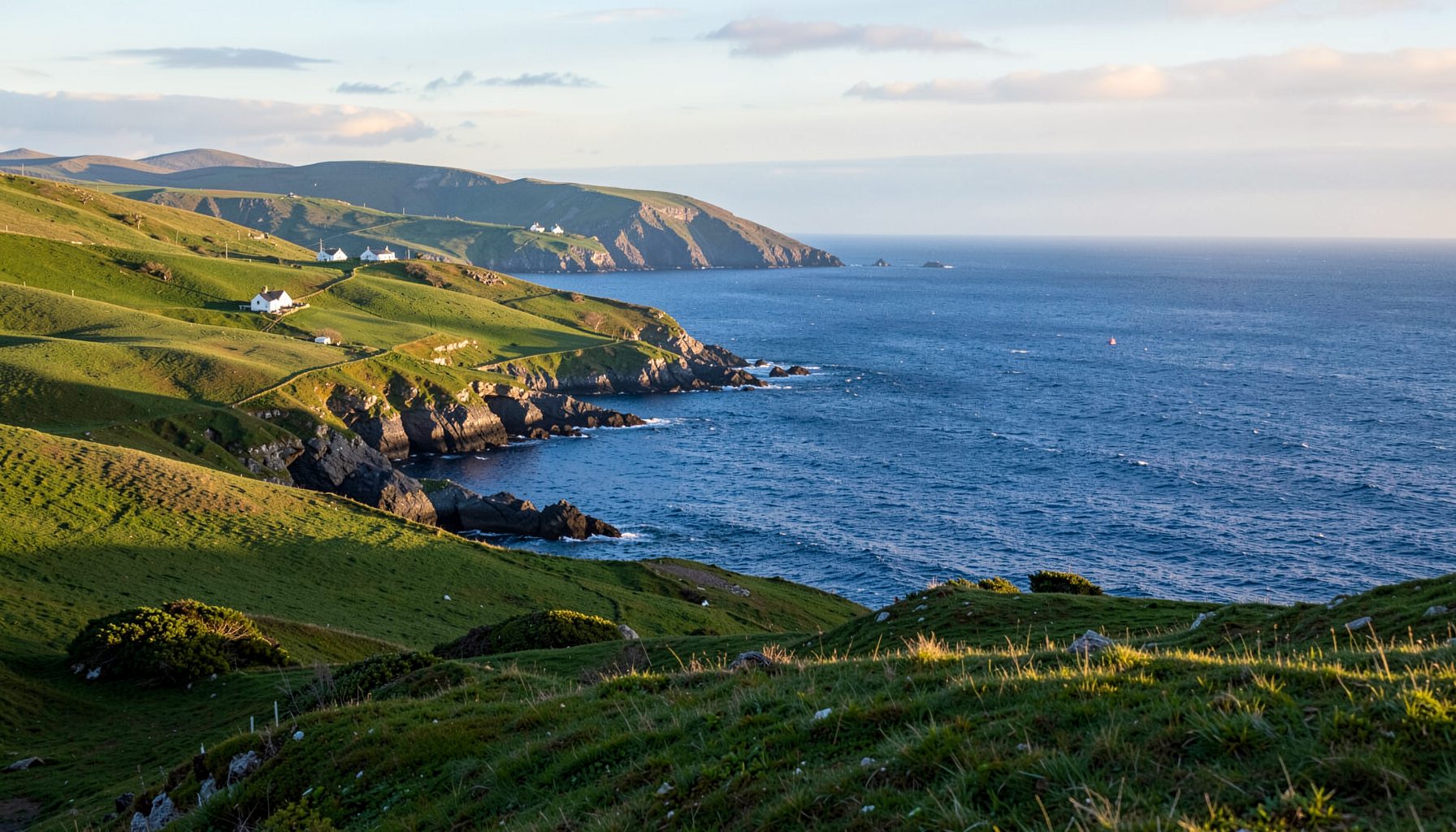
A Guide To Wild Garlic Season Along The Skellig Coast
When spring reaches Ireland’s Iveragh Peninsula, shaded lanes and damp woodland can fill with the fresh, unmistakable scent of wild garlic. Known locally and nationally as ramsons or bear’s garlic, this native woodland plant appears in rich green carpets before producing delicate white flowers.
Along the Skellig Coast, the season is shaped by Atlantic weather, sheltered valleys, elevation, and exposure. Places from Kells towards Caherdaniel, Castlecove, and the wider Ring of Kerry may experience new growth at slightly different times. A mild spring can bring leaves early, while a cold or wet spell may delay flowering.
Foragers, walkers, families, and visitors can enjoy the plant as part of the region’s seasonal character, but responsible gathering matters. Wild garlic grows in sensitive habitats, and many attractive sites are privately owned, protected, or managed for biodiversity. Picking should always be light, lawful, and respectful of the landscape.
Recognising Wild Garlic In Spring
Wild garlic, or Allium ursinum, usually emerges from the ground as smooth, bright green leaves. Each leaf is broadly lance-shaped and grows from a slender stem. When crushed, it gives off a clear garlic or onion-like smell. This scent is one of the most useful identification clues, although it should never be the only one used.
Later in spring, rounded clusters of small white, six-pointed flowers rise above the leaves. The flowers are held on individual stalks and may appear between April and May, depending on local conditions. After flowering, the plant develops small green seed capsules before gradually dying back above ground in early summer.
Wild garlic can grow beside plants that are unsafe to eat. Young leaves of lords-and-ladies, for example, may be mistaken for other woodland greens, while bluebell foliage can appear in similar shaded places. Never taste a plant to identify it. Check several reliable field guides, compare its shape and growth pattern, and make sure the garlic scent is unmistakable. If there is any uncertainty, leave it untouched.
When The Picking Season Begins
The first leaves often appear from late February or March in sheltered, low-lying areas, although April is a more dependable time for finding substantial growth across the coast. The freshest leaves are usually tender before the plant flowers. Once flowering begins, the leaves can become stronger in flavour but remain useful in cooking.
April and May are the main months for enjoying the season. Flower heads bring colour to woodland edges and are attractive to pollinators, so they should not be treated as a free supply. A few flowers can be gathered where permission is clear, but leaving most of them supports seed production and preserves the visual appeal of the site.
By June, leaves may be yellowing or disappearing, particularly in dry weather. This does not mean the plant has vanished. Wild garlic survives underground and returns the following spring. Its growing cycle makes it easy to overlook during summer, when many woodland plants take over the space above ground.
Weather makes a noticeable difference around the Iveragh Peninsula. Atlantic rain can keep leaves lush, while exposed coastal locations may develop later than sheltered woodland near streams. Rather than relying on a fixed date, observe the plant’s stage of growth and check local conditions before setting out.
Finding Suitable Places Along The Coast
Wild garlic favours damp, fertile ground with partial shade. Look for deciduous woodland, stream margins, shaded boreens, wooded riverbanks, and sheltered hedgerows. It often grows in broad patches where the soil is rich and moist, creating a strong scent after rain or on a mild afternoon.
The Skellig Coast includes a mixture of public paths, roadsides, farms, community spaces, heritage landscapes, and protected areas. A visible patch beside a walking route is not automatically available for picking. Land ownership, public access arrangements, conservation rules, and site-specific notices all need to be respected.
Particular care is required around heritage attractions and ecologically sensitive places. Skellig Michael is a UNESCO World Heritage Site with strict visitor arrangements, and natural material should not be removed from the island. Similar restraint is appropriate at historic sites, nature reserves, church grounds, community gardens, and areas managed for rare habitats.
Use the Skellig Coast website and local community information to learn about nearby walks, environmental projects, and seasonal activities. Local knowledge can help visitors understand which paths are suitable, where access is permitted, and how a particular community protects its landscape.
Picking Without Damaging The Patch
Before gathering, obtain permission from the landowner or manager. Public access is not the same as permission to harvest. In protected landscapes, national parks, nature reserves, and other designated areas, additional restrictions may apply. When in doubt, do not pick, and seek advice from the relevant site manager or local authority.
Take only what you can use immediately. A small handful of leaves is usually enough for a family meal or a jar of pesto. Select individual mature leaves rather than clearing a whole section, and avoid trampling surrounding plants. Scissors or a small knife can make clean cuts close to the base without disturbing the soil.
Never dig up bulbs, pull whole plants, or rake through the ground. Underground bulbs allow wild garlic to return, but removing them weakens the colony and can permanently reduce a small patch. Leave young plants, flowering stems, seed heads, and generous areas between harvested sections.
A good rule is to leave the majority of every patch untouched. Do not gather from roadsides exposed to traffic, areas treated with chemicals, places used by dogs, or sites where animals graze. Soil splash and nearby pollution can affect the cleanliness of leaves even when the plants look healthy.
Seasonal Picking And Kitchen Uses
Fresh leaves are best collected on a dry day, away from busy roads and after any surface moisture has evaporated. Carry them loosely in a breathable bag rather than compressing them in plastic. At home, remove damaged leaves, rinse thoroughly under cold running water, and dry them before storing in the refrigerator.
The flavour is fresher and softer than many cultivated garlic varieties. Young leaves work well chopped through butter, stirred into soups near the end of cooking, blended into pesto, or mixed with potatoes, eggs, soft cheese, and savoury pastry. Flowers can provide a mild garlic note and decorative finish when used sparingly.
Wild garlic pesto is one of the best-known seasonal preparations, but it does not need to dominate a dish. Combining the leaves with parsley, spinach, toasted seeds, oil, and hard cheese can create a gentler spread. Chopped leaves can also be frozen in small portions, although freezing may soften their texture.
As with any foraged food, moderation and careful preparation are sensible. Do not serve gathered leaves to anyone with a known allergy to alliums without checking first. Keep foraged ingredients separate from plants that have not been positively identified, and label preserved portions with the date and contents.
Comparing Parts Of The Plant
| Plant part | Usual appearance | Best seasonal use | Responsible approach |
|---|---|---|---|
| Young leaves | Smooth, bright green, lance-shaped | Pesto, butter, soup, salads | Take a few leaves from scattered plants |
| Mature leaves | Larger and sometimes stronger in flavour | Cooked dishes, sauces, freezing | Avoid stripping individual plants |
| Flower heads | White star-shaped flowers in clusters | Garnish, infused vinegar, savoury dishes | Leave most flowers for pollinators and seed |
| Seed capsules | Small green pods after flowering | Occasional culinary use by experienced foragers | Gather sparingly and avoid damaging stems |
| Underground bulb | Small white bulb beneath the soil | Not recommended for casual gathering | Never dig up or remove wild plants |
Keeping The Experience Local And Low Impact
Wild garlic season is a chance to connect food, ecology, and place. A short walk can reveal how spring develops across the coast: leaves in shaded hollows, flowers along woodland margins, and changing bird and insect activity around streams. The plant is part of a wider habitat rather than an isolated ingredient.
Stay on established paths wherever possible, keep gates closed, and avoid entering fields without permission. Dogs should be controlled near livestock and wildlife. Parking should not block farm entrances, narrow lanes, or emergency access, which can be especially important in small coastal communities.
Do not collect more than you need, sell gathered plants without the appropriate permissions, or advertise locations of vulnerable patches. Sharing a general seasonal observation is less harmful than publishing exact directions to a small woodland colony. The best foraging sites are those that remain healthy and undisturbed year after year.
Simple Guidelines For A Responsible Foraging Walk
- Identify the plant with certainty before collecting any part of it.
- Ask the landowner or site manager for permission before picking.
- Carry scissors, a breathable bag, and only a small container.
- Leave bulbs, young plants, most flowers, and wide areas of each patch untouched.
- Wash the harvest carefully and use it soon after gathering.
Wild garlic offers a vivid taste of spring on the Skellig Coast, but its real value extends beyond the kitchen. It marks healthy, fertile woodland and brings people outdoors at a time when the peninsula is filling with new growth. By gathering lightly and respecting access rules, visitors and residents can enjoy the season without reducing it for the people, plants, and wildlife that follow.
Check Skellig Coast community information for local walks, heritage updates, environmental initiatives, and seasonal events across the Iveragh Peninsula. Share the landscape carefully, learn from local knowledge, and let each wild garlic patch remain abundant for the next spring.