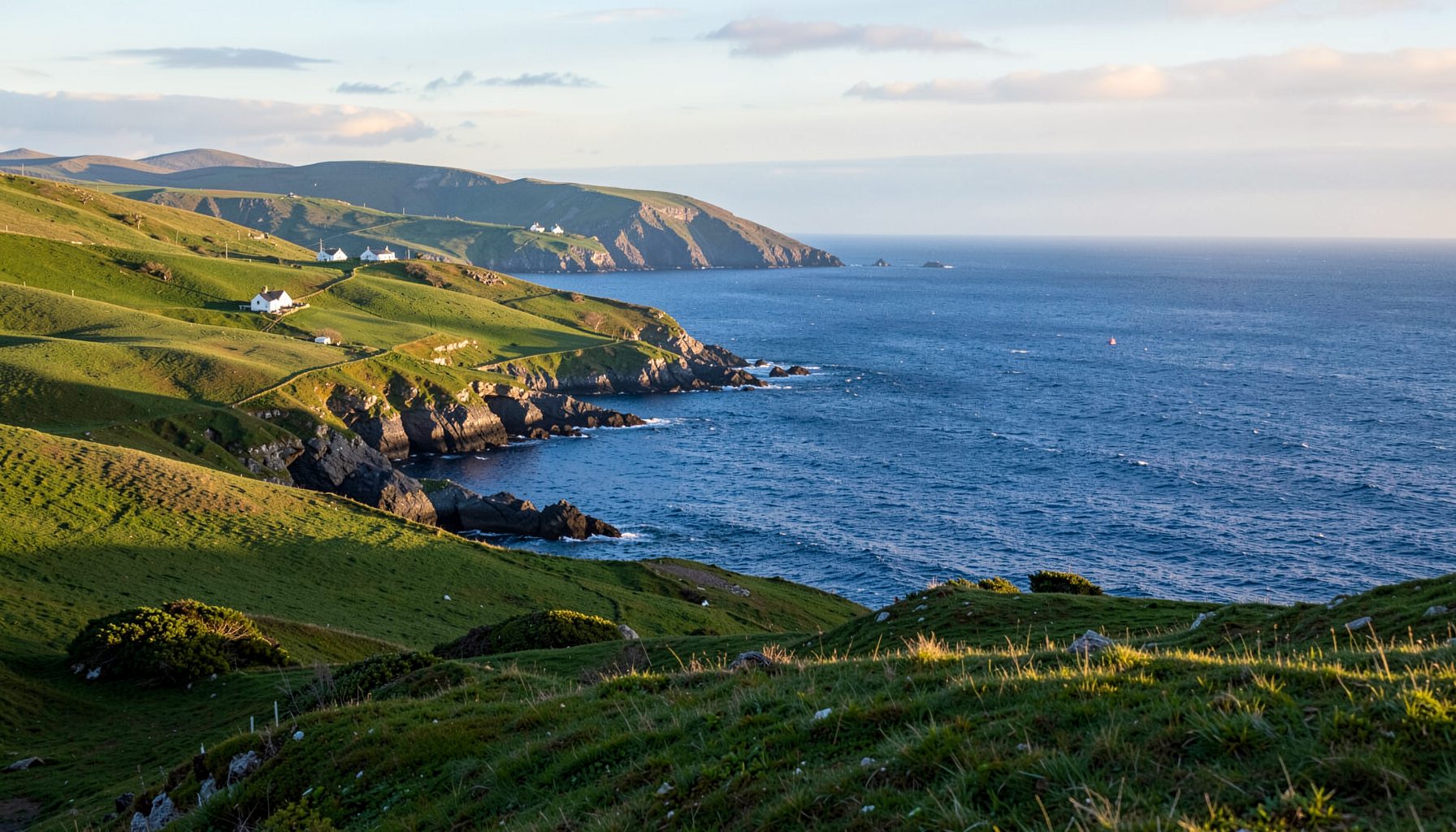
Children’s Outdoor Activities Along the Skellig Coast
The Skellig Coast offers children a lively outdoor classroom, stretching from Kells through Cahersiveen, Waterville and Ballinskelligs to Castlecove. Its beaches, quiet lanes, hills, harbours and historic sites create plenty of ways for families to spend time outside without needing an elaborate itinerary.
Activities can be adapted to different ages and abilities. A toddler may enjoy collecting shells with an adult, while older children can follow a marked trail, learn about coastal wildlife or take part in a supervised water activity. The best experiences usually leave room for curiosity rather than trying to fit too much into one day.
Weather is part of life on the Iveragh Peninsula, so flexible planning matters. Pack layers, waterproof clothing, sturdy footwear, water and a snack, then choose an activity that suits the conditions. Always check tides, access arrangements and local safety guidance before setting out.
Beach Exploration And Rock Pools
The coastline around Ballinskelligs, Waterville, Derrynane and Castlecove provides natural settings for simple, low-cost play. Children can look for seaweed shapes, smooth stones, shells and signs of marine life while learning to leave living creatures and nesting areas undisturbed. A small notebook or sketchpad can turn a short beach visit into a nature observation session.
Rock pooling is especially engaging when the tide is falling and the rocks are accessible. Children should stay with an adult, wear shoes with good grip and avoid reaching into crevices. Crabs, limpets, anemones and tiny fish are easily harmed, so creatures should be watched briefly and returned carefully to the exact place where they were found.
A beach treasure hunt can provide structure for younger children. Instead of collecting objects, make a list of things to spot: a feather, a piece of driftwood, a yellow flower, a bird footprint or three different textures of stone. This keeps the activity respectful and prevents damage to the shore.
Walks For Curious Young Explorers
Short family walks can introduce children to the landscape without the pressure of completing a long hike. Routes near villages, beaches and heritage sites often provide changing views within a manageable distance. Look for paths with clear surfaces, gentle gradients and places where the group can stop safely.
Walking games help maintain interest. Children might identify cloud shapes, count gates, listen for birds or notice how the landscape changes from pasture to woodland and shore. Older children can carry a simple map, estimate distances and help decide where the next rest stop should be.
The Kerry landscape can become wet, windy or slippery quickly. Families should avoid treating a familiar-looking path as risk-free, particularly near cliffs, bogland, rivers and exposed headlands. A shorter route with time for discovery is usually more enjoyable than an ambitious walk that leaves everyone tired and cold.
Choosing An Activity For The Day
The same outing can feel very different depending on weather, tide, transport and the ages of the children. Use the guide below as a starting point, then confirm local conditions and access before leaving.
| Activity | Best For | What Children Can Learn | Main Safety Point |
|---|---|---|---|
| Beachcombing | Younger children and mixed-age groups | Coastal habitats, textures and tides | Stay clear of strong waves and unstable rocks |
| Rock pooling | Curious primary-school children | Marine life and careful observation | Visit on a falling tide with close supervision |
| Family walking | Children who enjoy movement and stories | Landscape, wildlife and local history | Use suitable footwear and keep away from edges |
| Cycling on quiet routes | Older children and confident riders | Navigation, distance and road awareness | Wear helmets and avoid unsuitable roads |
| Heritage trails | Children interested in stories | Community history and changing land use | Remain on paths and respect historic structures |
| Kayaking or water sessions | Older children in organised groups | Balance, teamwork and water skills | Use qualified providers and approved equipment |
Cycling, Paddling And Active Play
Cycling can be a rewarding way to see more of the peninsula, particularly on quiet local roads and designated routes. It suits older children who are confident on a bike and understand road awareness. Helmets, high-visibility clothing and a route matched to the group’s ability are essential, while adults should check gradients, traffic and likely stopping places.
For younger children, balance bikes, scooters or a short cycle beside a safe open space may be more appropriate than a road journey. The goal is to build confidence and enjoyment rather than cover a particular distance. Bring a repair kit, water and an alternative plan if weather or energy levels change.
Kayaking, stand-up paddleboarding and other water-based activities should be booked through an experienced, properly equipped provider. Conditions around the Atlantic coast can change rapidly, and children need instruction, buoyancy aids and close supervision. Organised sessions can turn a potentially demanding activity into a controlled introduction to paddling, teamwork and marine awareness.
Learning Through Local Heritage
Outdoor play becomes more meaningful when children understand the people and stories connected with the places they see. A visit to a village, old bridge, pier, churchyard or ruined building can encourage questions about work, travel, food and family life in earlier generations. Adults can keep explanations brief and invite children to look for clues in the landscape.
The region’s history also includes hardship, migration and community resilience. Before visiting relevant sites, families can explore this famine relief history together and discuss how communities supported people during difficult periods. Older children may enjoy comparing historic routes with modern roads and considering how people once moved supplies without cars.
Skellig Michael is a remarkable part of the wider regional story and a UNESCO World Heritage Site, as well as a location recognised by Star Wars fans. Access to the island is subject to boat availability, sea conditions and landing arrangements, and the exposed terrain is unsuitable for casual wandering. Families who cannot visit the island can still explore its history through local interpretation, books, talks and age-appropriate storytelling on the mainland.
Wildlife, Weather And Outdoor Skills
Birdwatching is an accessible activity for children because it can begin almost anywhere. At the coast, families may see gulls, cormorants or waders; inland, hedgerows and fields offer different sounds and movements. Binoculars are useful but not necessary. Encourage children to watch quietly, avoid nests and record sightings without chasing animals.
Simple outdoor skills can add purpose to a walk. Children can learn how to read a basic weather forecast, identify a safe rest spot, pack a small day bag or follow trail markers. Older children might practise taking bearings with an adult or work out which clothing layers will be needed for an exposed route.
Rain need not cancel every plan. A waterproof walk can become a search for puddle life, leaf patterns and changing streams, provided the route is safe. However, thunderstorms, high winds, rough seas and rapidly rising water call for a change of plan. Coastal adventure should always give way to sensible judgement.
Family-Friendly Planning And Safety
A successful day outdoors often depends on preparation. Check opening times, transport, parking arrangements, tide predictions and forecast conditions before setting out. Some locations have limited mobile reception, so download maps or carry a printed version. Tell someone your intended route when heading into a quiet or exposed area.
Keep children within sight near water, roads, cliffs and historic ruins. Explain boundaries before the activity begins, rather than waiting until a risky moment. First-aid supplies, spare clothing, sun protection and enough food can make a significant difference when conditions are changeable.
These practical choices help families enjoy the coast while respecting residents, farmers, wildlife and other visitors. Close gates, take litter home, avoid lighting fires, do not remove archaeological or natural objects, and give livestock plenty of space. A child who learns to care for a place becomes part of its future protection.
Simple Ways To Make The Day Memorable
A little preparation can turn an ordinary outing into an experience children remember. Choose one theme, such as “things shaped by the sea” or “evidence of the past”, and let children lead parts of the observation. Resist the urge to correct every answer; wondering aloud often encourages deeper attention.
- Match the route and activity to the youngest child’s stamina.
- Check tide, wind, rain and daylight before leaving.
- Bring layers, safe footwear, snacks, water and a basic first-aid kit.
- Use maps, stories, drawings or wildlife notes to encourage discovery.
- Leave beaches, trails, habitats and historic places exactly as you found them.
Community events, outdoor programmes and local learning hubs may offer additional activities for families during the year. These can provide a useful introduction to local knowledge and help children meet others who enjoy sport, nature, history and creative exploration.
The Skellig Coast is at its best when children are given time to notice small details: a seal’s head beyond the breakers, a weathered stone wall, the sound of wind through grass or the changing colour of the sea. Plan a safe outing, explore at a comfortable pace and use the region’s villages, heritage and open spaces as an invitation to learn together.